Sheet Metal Cutting
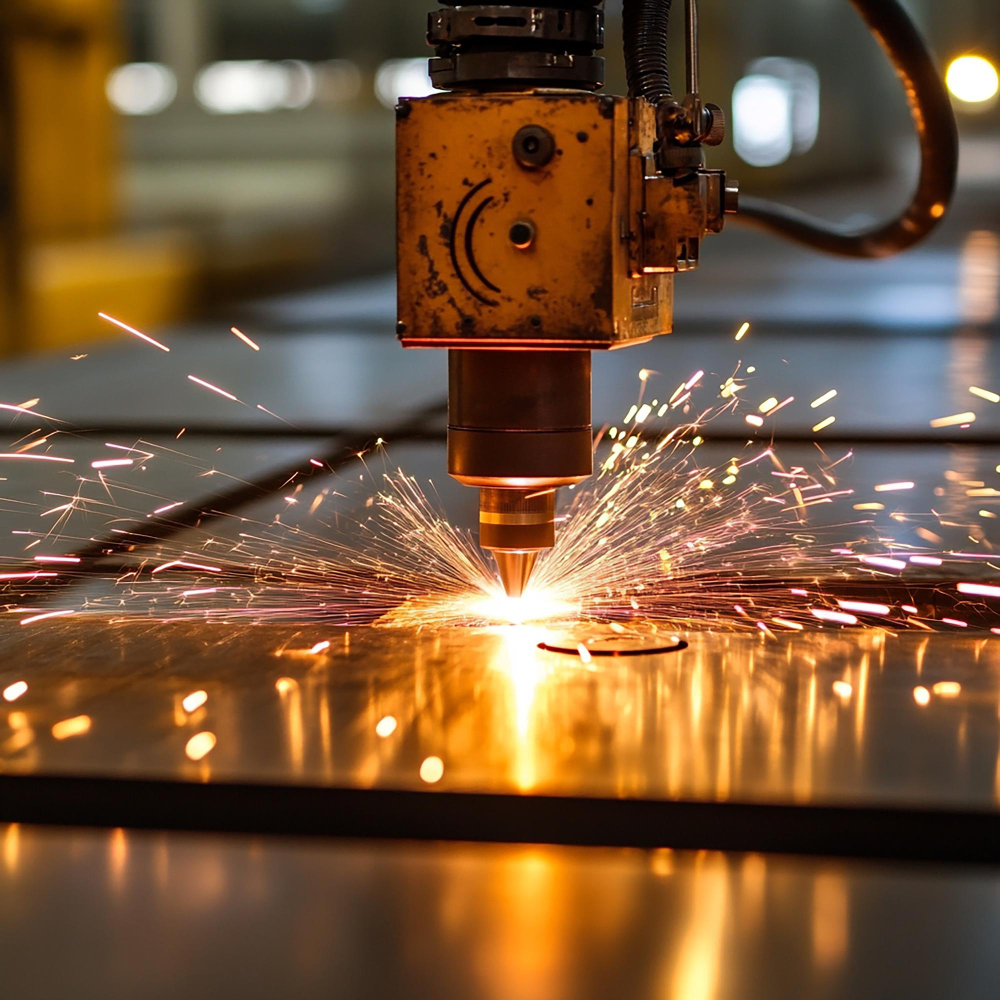
When choosing a sheet metal cutting service, cutting precision, material type, sheet thickness, dimensional tolerances, and production capacity should be evaluated together. The right cutting method ensures that parts are prepared according to the required dimensions, helps subsequent production stages proceed more efficiently, and supports optimal material utilization.
Key evaluation criteria:
-
Sheet metal type and thickness
-
Part dimensions and geometry
-
Cutting precision
-
Production volume
-
Subsequent bending, welding, or assembly processes
Avrasya Galvaniz takes a comprehensive approach to dimensioning, cutting, and production preparation processes in sheet metal cutting applications tailored to different manufacturing requirements.
What Does a Sheet Metal Cutting Service Include?
A sheet metal cutting service covers the preparation of metal sheets according to the dimensions and part geometries specified in the project. Depending on the intended application of the part, the process may include straight cuts, various geometries, holes, and custom dimensions.
Before cutting, sheet thickness, material properties, dimensions, and production volume are evaluated. This allows the cutting method to be aligned with the technical requirements of the part.
“The right sheet metal cutting process does more than bring a part to the required dimensions; it also enables greater control over subsequent manufacturing operations.”
A key consideration in practice is not to evaluate the cutting process in isolation. If the part will subsequently undergo bending, welding, or other manufacturing operations, the cutting plan should be prepared with these processes in mind.
You can share your technical dimensions and part specifications with Avrasya Galvaniz to determine the appropriate scope for your sheet metal cutting requirements.
How Is the Right Sheet Metal Cutting Method Selected?
The sheet metal cutting method is selected based on material thickness, part geometry, tolerance requirements, and production volume. Using the same cutting approach for every project can reduce manufacturing efficiency.
| Evaluation Criterion | Key Consideration |
|---|---|
| Sheet thickness | Must be compatible with the cutting capacity |
| Part geometry | Complex shapes require precise processing |
| Tolerance | Dimensions specified in the technical drawing must be considered |
| Production volume | Repeatability must be maintained |
| Subsequent processes | Bending, welding, and assembly must be taken into account |
“The most suitable cutting method should accommodate not only the part’s current dimensions but also the subsequent stages of the manufacturing process.”
In practice, repeatability becomes particularly important in series production. Maintaining consistent dimensions and geometry for the same part across different production batches helps reduce the risk of compatibility issues during assembly.
Why Is Precision Important in Sheet Metal Cutting?
Cutting precision refers to preparing a part as closely as possible to the dimensions specified in the technical drawing. Dimensional deviations can directly affect subsequent operations, particularly for metal parts that will be joined, bent, or assembled.
During the cutting process, not only the overall dimensions but also hole positions, edge distances, and part geometry should be carefully controlled.
“Precision in sheet metal cutting is one of the key factors determining part compatibility during subsequent manufacturing stages.”
A recurring requirement in industrial applications is to evaluate cutting tolerances in relation to the part’s intended use. Tolerances that are too wide may lead to assembly issues, while unnecessarily tight tolerances can make the manufacturing process more demanding.
How Does the Order and Production Process Work?
For sheet metal cutting orders to proceed efficiently, technical specifications should be clearly provided at the beginning of the process. Part dimensions, sheet metal type, thickness, quantity, and technical drawings, if available, form the basis of production planning.
A standard workflow typically includes the following steps:
- Submission of part or project specifications
- Selection of sheet metal type and thickness
- Verification of technical dimensions
- Preparation of the cutting plan
- Execution of the cutting process
- Preparation of the parts for production or shipment
“Complete technical information helps ensure efficiency and dimensional consistency throughout the sheet metal cutting process.”
Avrasya Galvaniz evaluates project specifications together with production requirements to ensure that the sheet metal cutting process proceeds in a planned and coordinated manner.
Choosing the Right Sheet Metal Cutting Supplier
When selecting a sheet metal cutting service provider, factors beyond the cutting process itself should be considered, including technical communication, production capacity, dimensional control, and delivery planning. For businesses with ongoing production requirements, it is particularly important to choose a supplier capable of handling different dimensions and order quantities.
For industrial projects, accurate communication of technical specifications, pre-production checks, and effective process monitoring help reduce the risk of errors.
Avrasya Galvaniz provides solutions for the part and sheet preparation requirements of various industries, applying a production approach that takes project-specific details into account for sheet metal cutting operations.
Technical Details to Consider When Ordering Sheet Metal Cutting
Before placing an order, key information such as sheet metal type, thickness, width and length, quantity, tolerance requirements, and technical drawings, if available, should be prepared. Any subsequent operations, such as bending, welding, or assembly, should also be specified.
Providing this information makes it easier to develop a cutting plan that aligns with production requirements and helps prevent unnecessary rework.
For your sheet metal cutting project, share your dimensions, material specifications, and production requirements with Avrasya Galvaniz to determine a production scope tailored to your needs.