Why Is Galvanized Coating Preferred?
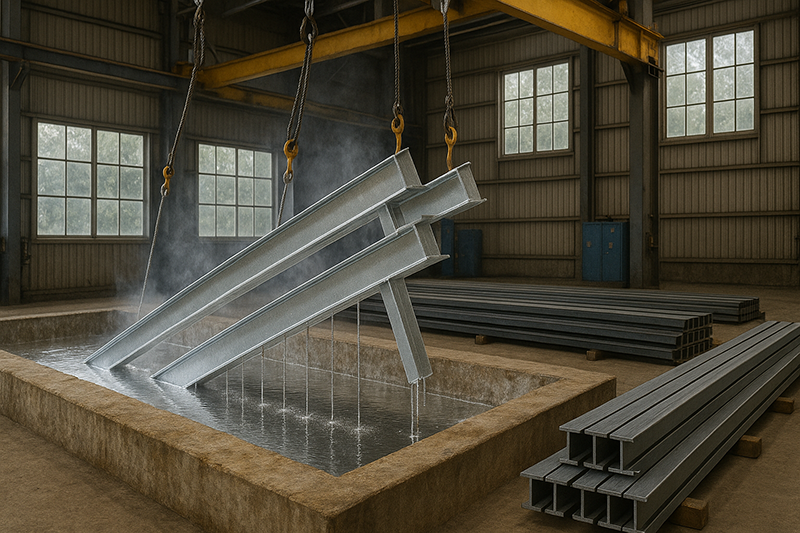
Galvanizing is the process of applying a zinc layer to the surface of metals such as steel or iron to protect them against corrosion. This process can significantly extend the service life of metal products and increase their resistance to environmental conditions. One of the most widely used methods is hot-dip galvanizing.
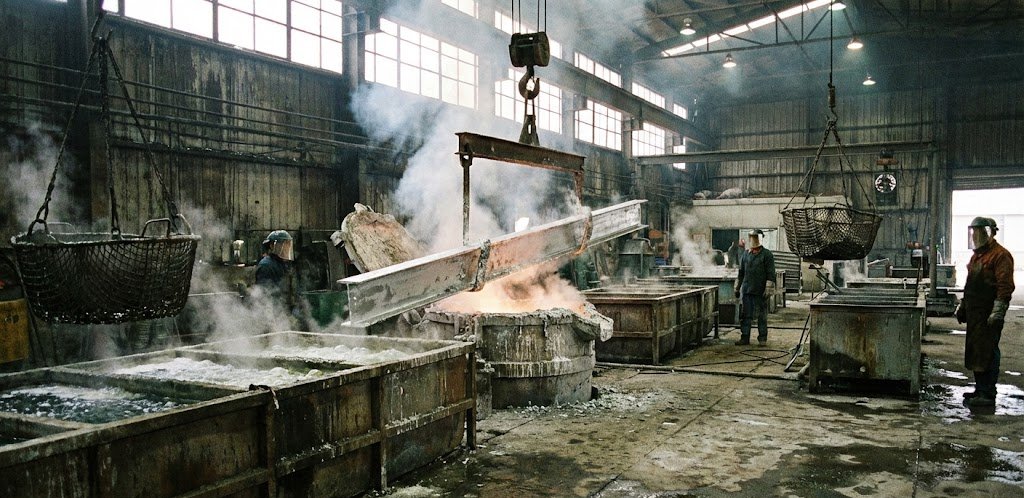
In hot-dip galvanizing, metal components are immersed in a bath of molten zinc. The zinc reacts with the steel surface and forms metallurgically bonded protective layers. This coating not only creates a physical barrier but also provides sacrificial protection, meaning the zinc corrodes preferentially and helps protect the underlying steel.
Why Is Galvanized Coating Preferred?
Strong Protection Against Corrosion
One of the main advantages of galvanized coating is the protection it provides against corrosion. Environmental factors such as moisture, rain, snow, and mud can cause unprotected metals to rust and deteriorate over time. Galvanizing significantly slows this process.
The zinc layer can also provide sacrificial protection around small areas of exposed steel, helping reduce the progression of corrosion when minor surface damage occurs.
Long Service Life
Galvanized metals can remain in service for decades depending on coating thickness, environmental corrosivity, design, and exposure conditions. This provides an important advantage for outdoor structures, bridges, highway barriers, power transmission infrastructure, and steel construction components.
Cost-Effective Solution
Although galvanizing involves an initial processing cost, it can provide significant economic advantages over the complete service life of a product. Reduced maintenance, repainting, repair, and replacement requirements can lower total lifecycle costs.
Low Maintenance Requirements
Hot-dip galvanized surfaces generally require less routine maintenance than many paint-only corrosion protection systems. This characteristic is particularly valuable for structures located in difficult-to-access areas or locations where maintenance work is costly.
Distinctive Metallic Appearance
Galvanized coating creates a characteristic metallic surface. Depending on the steel chemistry and galvanizing process, the appearance may range from bright to matte gray. This natural industrial finish can be suitable for architectural and functional applications where a metallic appearance is desired.
Where Is Galvanized Coating Used?
Galvanizing is widely used across many industries. Some of the main applications include:
Construction and Building Industry
- Roofing and façade support systems
- Structural steel components
- Scaffolding systems
- Tanks and suitable piping applications
Energy and Transportation
- Utility poles
- Highway guardrails
- Railway infrastructure components and bridges
- Telecommunications towers
Agriculture and Livestock
- Greenhouse structures
- Animal shelters
- Irrigation equipment
- Fencing systems
Automotive and Home Appliances
- Selected vehicle chassis and structural components
- Zinc-coated sheet components
- Appliance panels and housings
- Outdoor equipment enclosures
In these applications, galvanized components can provide long-term corrosion protection when the coating system is suitable for the operating environment.
Which Galvanizing Method Is More Suitable?
Galvanized coatings can be applied using different methods. The most common include:
Hot-Dip Galvanizing
Hot-dip galvanizing is widely used for fabricated steel products requiring robust outdoor corrosion protection. The metal is immersed in molten zinc, forming a metallurgically bonded zinc-iron coating.
Electrogalvanizing
Electrogalvanizing creates a thinner zinc layer through an electrochemical process. It is commonly used for applications requiring controlled coating thickness and a smoother surface finish.
Thermal Spray Zinc Coating
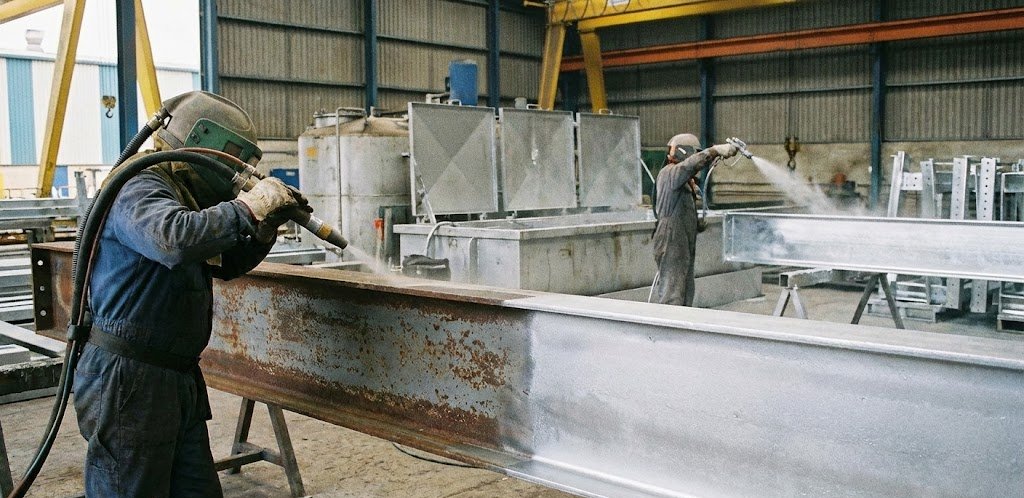
In thermal spraying, molten or semi-molten zinc is sprayed onto a properly prepared metal surface. This process can be suitable for large structures, maintenance applications, or components that cannot easily be immersed in a galvanizing bath.
Each method has different advantages and suitable applications. For outdoor and demanding environments, hot-dip galvanizing is frequently selected for fabricated steel products.
Is Galvanized Coating Environmentally Friendly?
Galvanizing can contribute to longer product service life, reducing the frequency of replacement and maintenance. Both steel and zinc are recyclable materials and can be recovered through established recycling processes.
Environmental performance, however, depends on factors such as manufacturing efficiency, energy use, emissions control, waste management, transport, and the full lifecycle of the product. For this reason, sustainability should be evaluated across the complete coating and product lifecycle rather than based on the zinc coating alone.
Why Choose Avrasya Galvaniz?
When selecting a galvanizing provider, production capability, process control, technical experience, quality inspection, and compliance with project requirements should be evaluated together.
Avrasya Galvaniz provides hot-dip galvanizing solutions for industrial and structural steel projects. Project requirements can be evaluated according to component dimensions, steel characteristics, intended application, and required coating performance.
For long-lasting and durable galvanizing solutions, you can contact Avrasya Galvaniz to discuss the technical requirements of your project.
What Should Be Considered When Choosing Galvanizing Services?
- The coating method should be selected according to the intended application.
- Coating requirements should comply with the applicable project specification and standard.
- Steel chemistry, component geometry, venting, and drainage requirements should be considered.
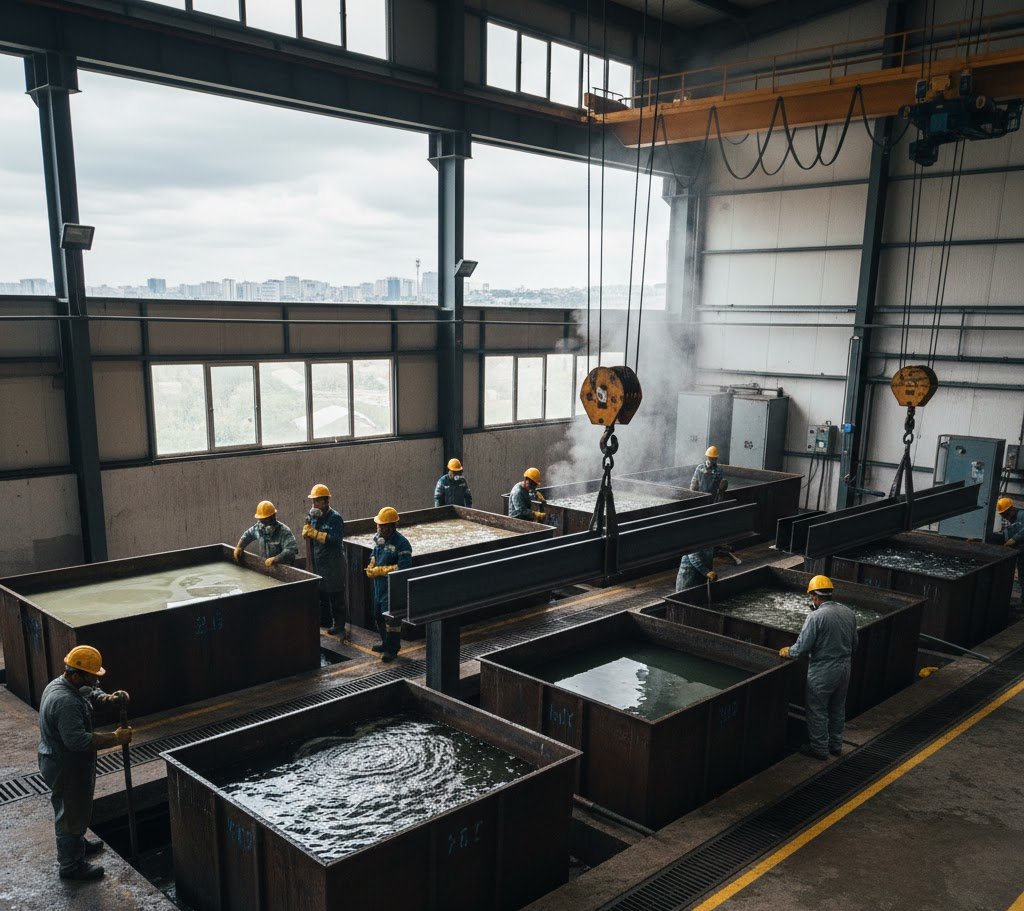
- Surface preparation should be properly controlled.
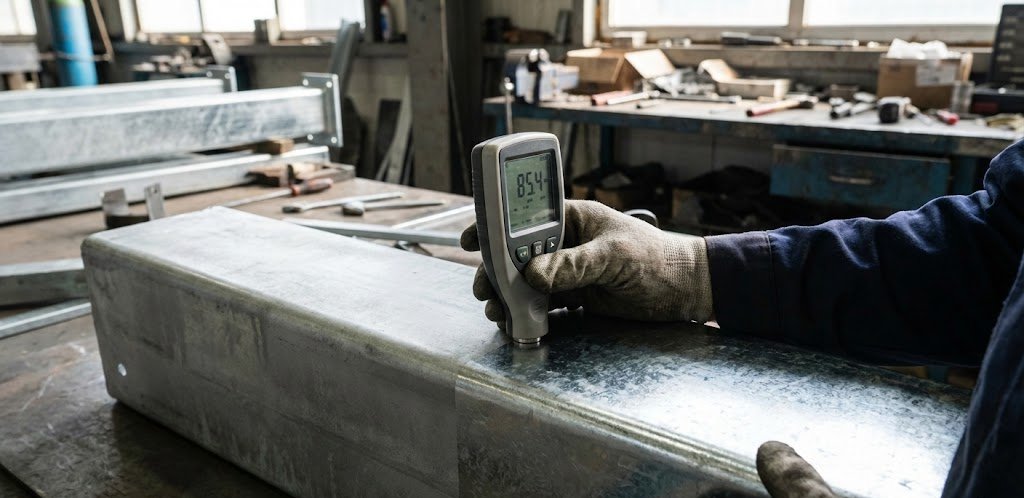
- Post-galvanizing inspection and quality control should be carried out.
- The expected operating environment and corrosion category should be evaluated.
Galvanizing is widely preferred across industries such as construction, energy, infrastructure, and agriculture because of its durability, low maintenance requirements, and long-term corrosion protection. By selecting the appropriate coating method and working with an experienced galvanizing provider such as Avrasya Galvaniz, project-specific protection requirements can be addressed more effectively.