Which Metals Can Be Galvanized?

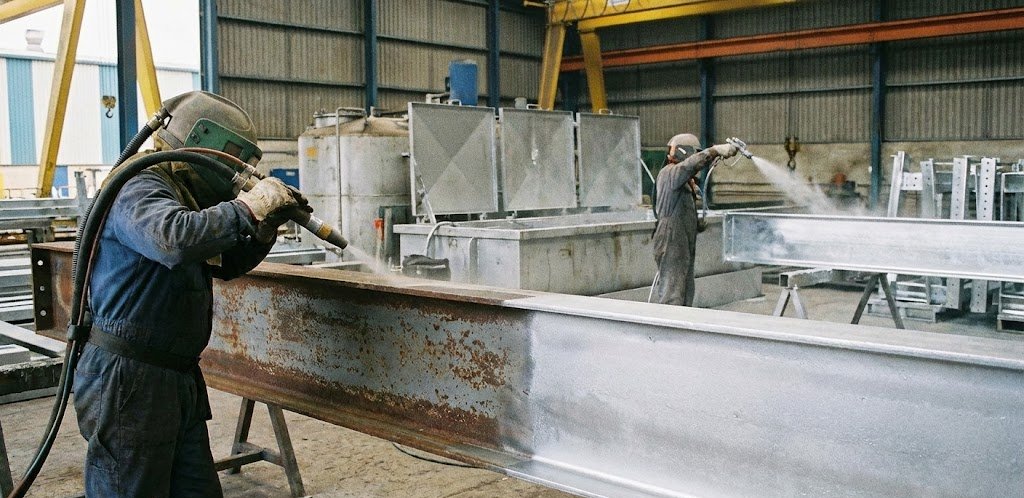
Galvanizing is a zinc-based coating method used to protect metal surfaces. Through this process, metal surfaces become more resistant to oxidation and corrosion. It is particularly preferred for extending the service life of metal components used outdoors or in humid environments.
Galvanizing primarily provides corrosion protection and can also create a characteristic metallic surface appearance. For this reason, it is widely used across many industries, from construction and automotive to agricultural machinery and utility infrastructure.
How Is Galvanizing Applied?
Galvanizing is generally carried out using two main methods:
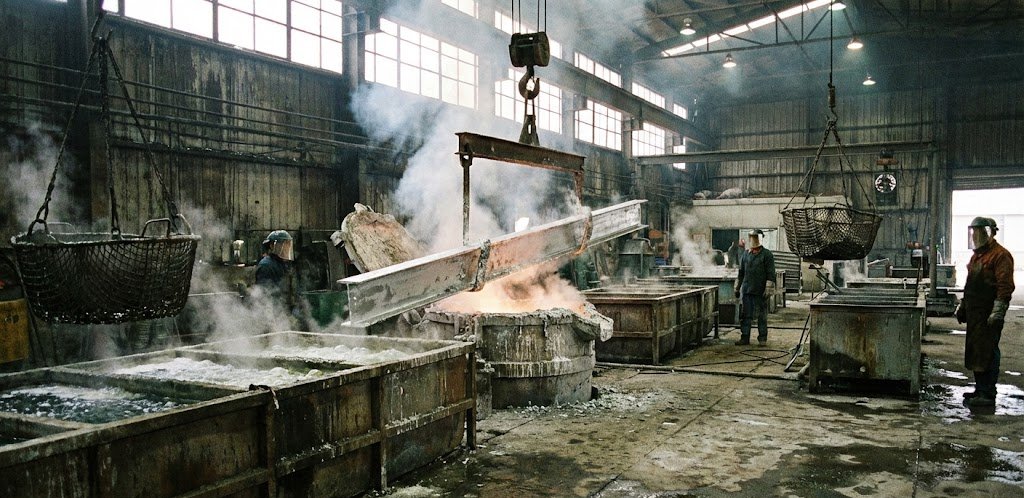
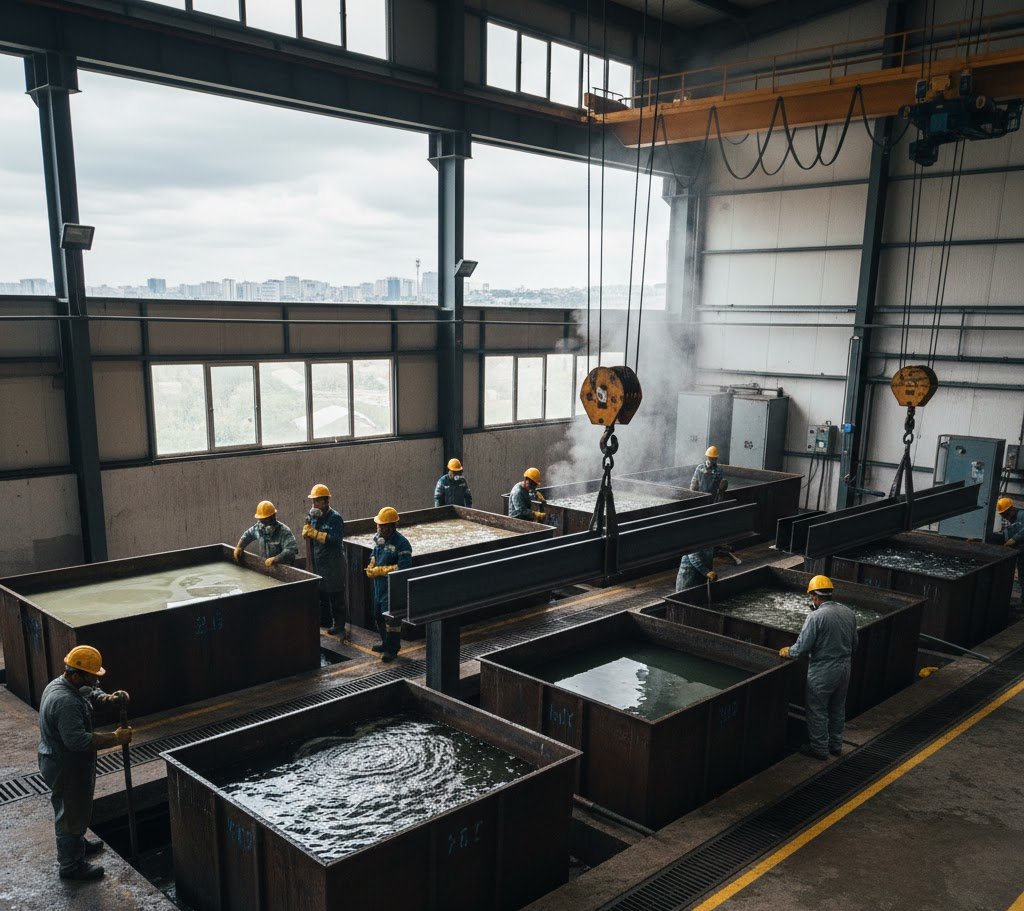
Hot-Dip Galvanizing: Metal components are immersed in a bath of molten zinc. This method creates a relatively thick protective zinc coating and provides long-lasting corrosion protection.
Electrogalvanizing: Zinc ions are deposited onto the metal surface using an electric current. This method provides a thinner coating and generally creates a smoother surface.
Both methods are selected according to different applications and requirements. However, the type of metal to be coated plays an important role in determining the appropriate process.
Which Metals Can Be Galvanized?
Not every metal is suitable for conventional galvanizing. The effectiveness of the process depends on the chemical and metallurgical properties of the substrate. The metals most commonly associated with galvanizing include:
Iron and Steel
Iron and steel are the primary metals used in galvanizing applications. Both materials are susceptible to corrosion, particularly when exposed to outdoor conditions. Galvanizing provides a zinc-based protective layer that can significantly extend their service life.
Galvanizing is frequently used for products such as:
- Structural steel components
- Steel pipes
- Fencing systems
- Automotive and industrial components
- Utility poles
- Fasteners and fabricated steel products
Hot-dip galvanizing is particularly suitable for many fabricated iron and steel products requiring long-term corrosion protection.
Cast Iron
Certain cast iron products can be hot-dip galvanized, but their composition, casting quality, surface condition, and geometry require careful evaluation. Because cast surfaces may contain residues or surface irregularities, special preparation may be necessary before galvanizing.
When the material and design are suitable, galvanizing can provide corrosion protection for cast iron components used in various industrial and infrastructure applications.
Aluminum
Aluminum is not normally galvanized using the conventional hot-dip galvanizing process designed for iron and steel. Aluminum naturally develops a protective oxide layer and typically uses other surface treatment systems when additional corrosion protection is required.
Specialized zinc-containing or metallurgical coating processes may exist for specific engineering applications, but these should not be confused with conventional hot-dip galvanizing of steel.
Copper
Copper is generally not treated using conventional galvanizing methods. Zinc and copper can interact in ways that require careful material compatibility assessment, particularly in corrosive environments.
Specialized zinc electroplating processes may be technically possible in certain controlled applications, but conventional galvanizing is primarily intended for iron and steel rather than copper components.
Brass and Bronze
Brass and bronze are not typical substrates for conventional hot-dip galvanizing. Specialized electroplating or decorative coating processes may be applied to these alloys when specific surface characteristics are required.
The suitability of zinc coating for these materials should be evaluated according to the alloy composition, intended application, and coating process.
Which Metals Are Generally Not Suitable for Conventional Galvanizing?
Conventional galvanizing is primarily designed for iron and steel products. Other metals may require different surface treatment methods.
Examples include:
Lead: Generally unsuitable for conventional hot-dip galvanizing and requires different protection methods.
Titanium: Naturally provides strong corrosion resistance in many environments and is not normally hot-dip galvanized.
Gold and Silver: These metals are not typical substrates for conventional galvanizing.
Stainless Steel: Stainless steel already achieves corrosion resistance through its alloy composition and passive chromium-rich surface layer. Conventional galvanizing is therefore not normally used as its primary protection method.
What Should Be Considered When Selecting a Galvanizing Process?
In addition to the type of metal, the intended application and environmental conditions should be considered when selecting a coating system.
Important questions include:
- Will the product be used indoors or outdoors?
- Will it be exposed to moisture, salt, or chemicals?
- Will paint be applied after galvanizing?
- Does the product require resistance to mechanical impact?
- What service life is expected?
- Which coating standard applies to the product?
- Is the component designed appropriately for galvanizing?
These factors directly influence the coating method, specification, and required corrosion protection. Selecting an unsuitable process may prevent the desired performance from being achieved.
Professional Galvanizing Solutions from Avrasya Galvaniz
If you are looking for professional and long-lasting galvanizing services, Avrasya Galvaniz provides project-specific solutions for suitable iron and steel products.
The galvanizing process should be evaluated according to the material type, component geometry, intended use, and applicable technical requirements. Proper surface preparation and process control are also essential for achieving consistent coating quality.
By working with Avrasya Galvaniz, you can evaluate the appropriate galvanizing solution for your metal products according to your project requirements.
Frequently Asked Questions About Galvanizing
How Long Does Galvanized Coating Last?
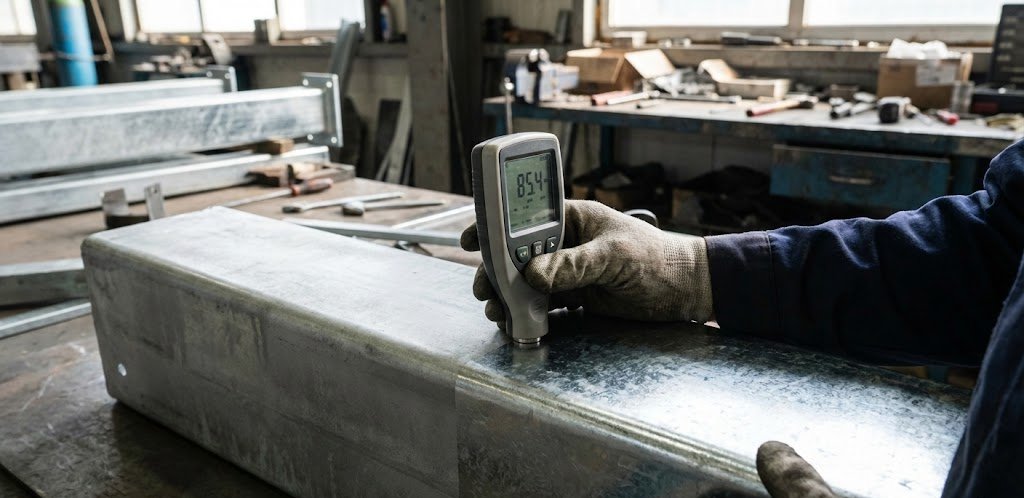
The service life of galvanized coating depends on coating thickness, environmental corrosivity, exposure conditions, and the type of product. Under suitable conditions, hot-dip galvanized steel can provide corrosion protection for several decades.
Can Galvanized Surfaces Be Painted?
Yes. Galvanized surfaces can be painted using a compatible surface preparation process, primer, and coating system. A galvanized-and-painted system is often referred to as a duplex coating system.
Can Galvanized Coating Be Removed?
Yes. Zinc coatings can be removed using suitable mechanical or chemical processes. However, the removal method should be carefully selected to avoid damaging the underlying material.
Does Galvanized Coating Rust?
Galvanized steel is highly resistant to rust but is not completely immune to corrosion. The zinc layer gradually reacts with the environment and protects the underlying steel. If the zinc coating is severely damaged or consumed over time, corrosion of the steel may eventually begin.