What Is the Hot-Dip Galvanizing Method?
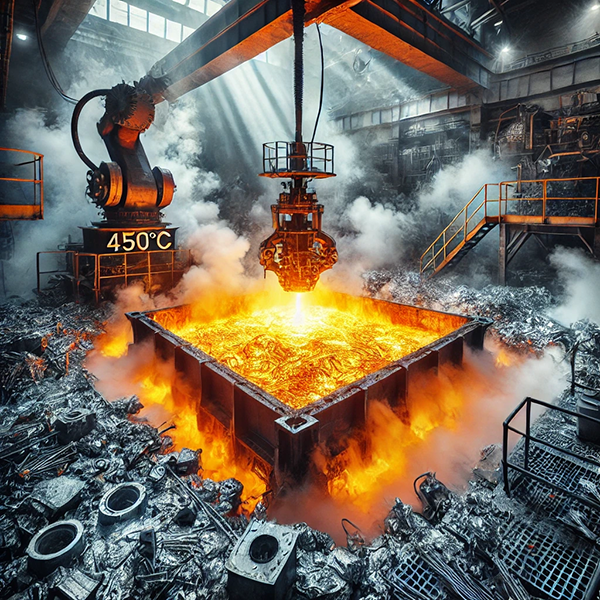
Hot-dip galvanizing is a coating method used to protect the surfaces of steel and iron materials against corrosion. During this process, the material is immersed in a bath of molten zinc, and its surface is completely coated with a layer of zinc. This method provides durable and long-lasting protection, extending the service life of the material. It is particularly preferred in construction, automotive, energy, and infrastructure projects.
How Is Hot-Dip Galvanizing Performed?
The hot-dip galvanizing process consists of several basic steps:
1. Surface Preparation
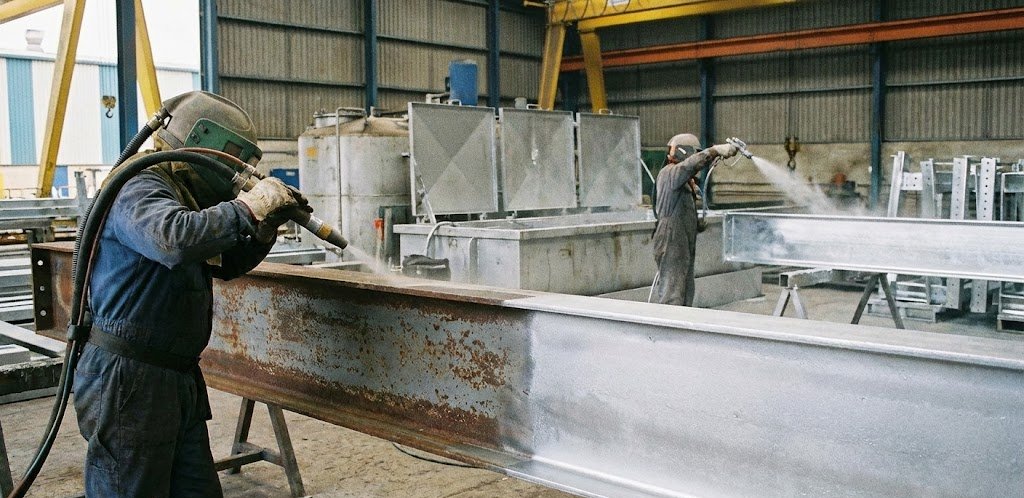
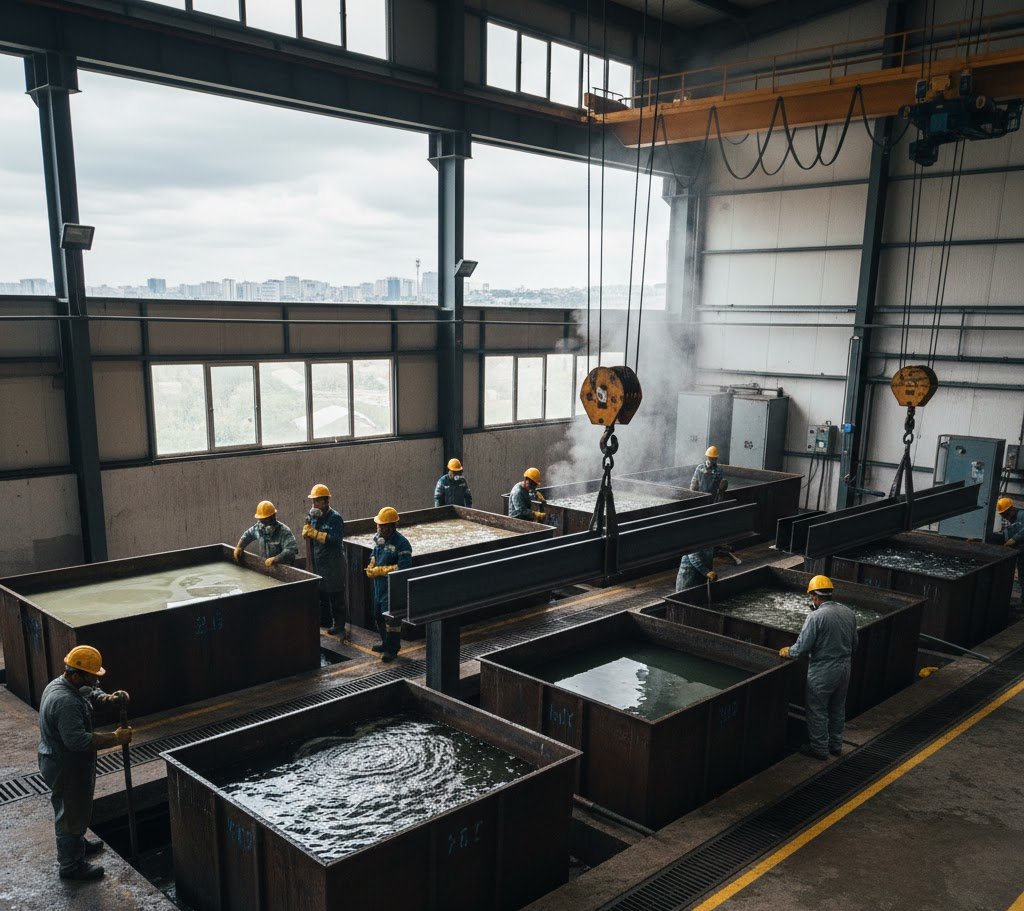
At this stage, oil, dirt, rust, and oxide layers are removed from the material. Cleaning processes generally include:
Degreasing: Oil and dirt are removed using chemical solutions.
Pickling: Rust and oxides are dissolved in an acid bath.
Flux Bath: The surface is prepared to improve bonding between the material and the zinc.
2. Galvanizing
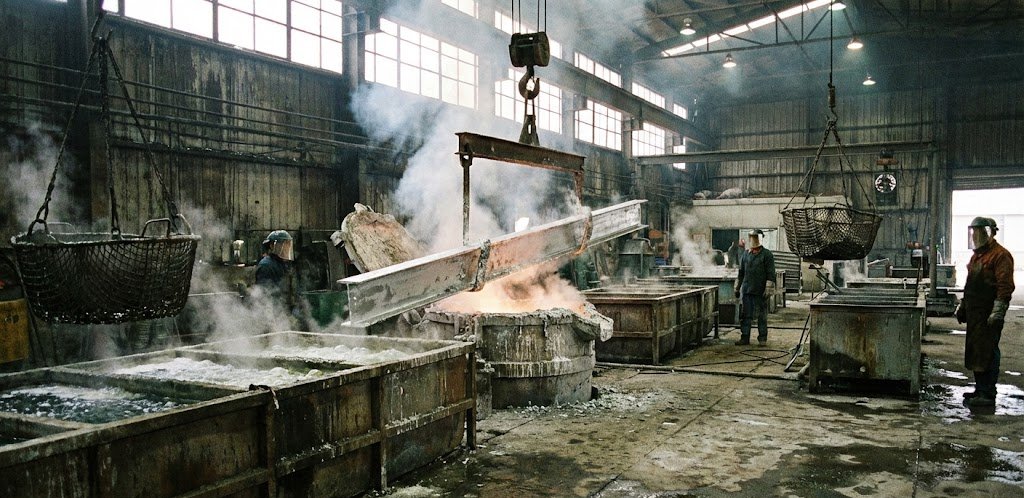
The prepared material is immersed in a bath of molten zinc at approximately 450°C. The zinc forms a chemical bond with the surface of the material and creates a protective layer.
3. Cooling and Inspection
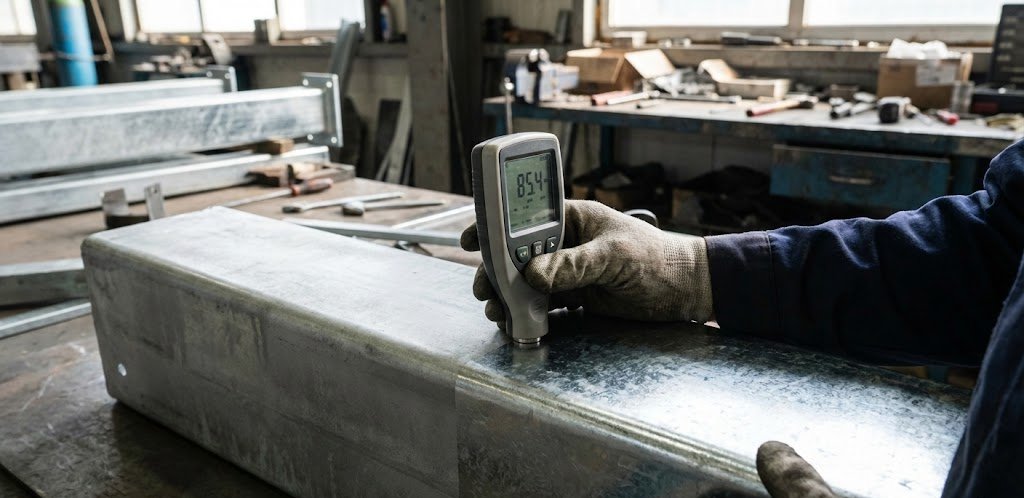
After the coating process is completed, the material is cooled and undergoes quality control. At this stage, coating thickness, surface uniformity, and integrity are tested.
Advantages of Hot-Dip Galvanizing
Long-Lasting Protection
The zinc layer protects the material against corrosion for an extended period. Its durability, even under outdoor conditions, reduces maintenance requirements.
Cost-Effective Solution
Hot-dip galvanizing is highly economical because it reduces maintenance and replacement costs over the long term.
Environmentally Friendly
Since zinc is a recyclable material, this method is environmentally friendly.
Comprehensive Protection
By coating all surfaces of the material, it provides effective protection even in sensitive areas such as edges and corners.
Where Is Hot-Dip Galvanizing Used?
Hot-dip galvanizing is widely used across various industries:
Construction: Steel structural components, bridges, and utility poles.
Automotive: Chassis and other steel components.
Energy: Solar panels and power transmission lines.
Agriculture: Fence posts, greenhouses, and water tanks.
Important Information About Hot-Dip Galvanizing
- Coating thickness should comply with applicable standards, such as ISO 1461.
- The zinc layer protects steel both physically and chemically.
- The geometry of the material should be taken into consideration during application.