What Is the Cost of Galvanizing?
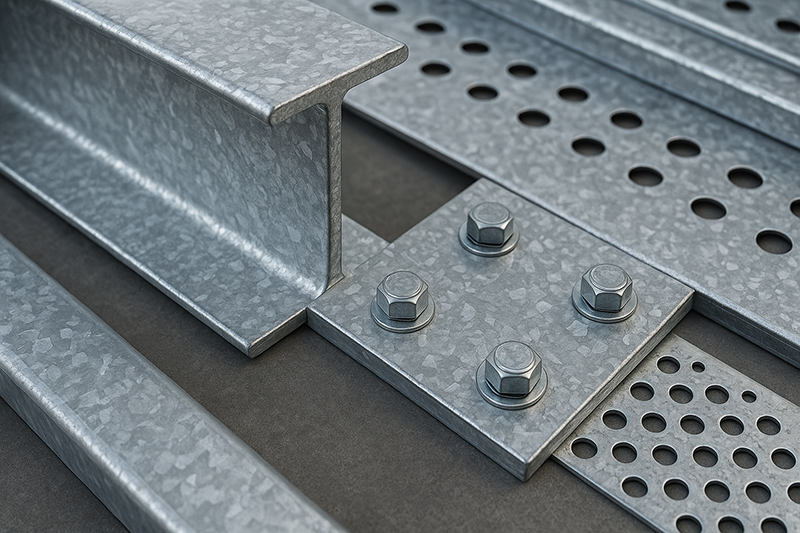
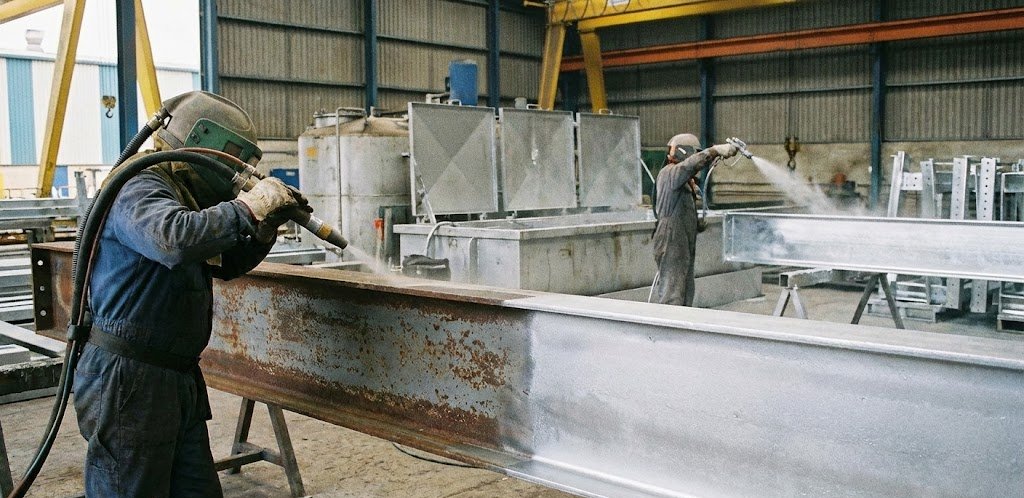
Galvanizing is the process of applying a zinc coating to the surface of steel or iron. This method is used to protect metal against rust and environmental exposure. It is widely preferred in industries such as construction, manufacturing, automotive, energy, and infrastructure.
The zinc coating creates a protective barrier between the steel surface and the surrounding environment, reducing direct contact with moisture and oxygen. Zinc also provides sacrificial protection: if a small area of steel becomes exposed, the surrounding zinc can corrode preferentially and help protect the underlying steel.
Types of Galvanizing
One of the main factors affecting galvanizing costs is the coating method. Each process has different applications, production requirements, and cost structures.
Hot-Dip Galvanizing
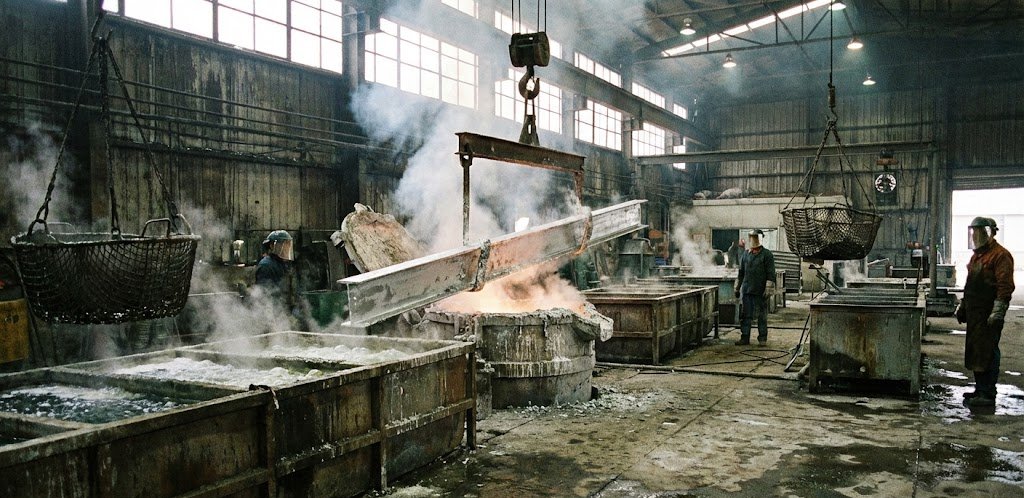
Hot-dip galvanizing is a widely used method for providing long-term corrosion protection to fabricated steel. In this process, properly prepared steel components are immersed in a bath of molten zinc. The zinc reacts with the steel surface and forms metallurgically bonded zinc-iron alloy layers.
This method is particularly suitable for structural components exposed to outdoor conditions. It provides robust corrosion protection and relatively low maintenance requirements over its service life.
The actual cost depends on product weight, dimensions, geometry, surface condition, production volume, and handling requirements.
Electrogalvanizing
Electrogalvanizing uses an electric current to deposit zinc onto a metal surface. It generally creates a thinner and more uniform coating than batch hot-dip galvanizing.
This method is often used for components where controlled coating thickness, smooth appearance, or dimensional precision is important. Its cost depends on factors such as component size, coating thickness, production volume, pretreatment, and post-treatment requirements.
Mechanical Galvanizing
Mechanical galvanizing applies zinc to suitable metal components through mechanical impact and tumbling processes. It is commonly used for certain small components such as fasteners.
Pricing depends on component dimensions, quantity, coating specification, and processing requirements.
How Is Galvanizing Cost Calculated?
Galvanizing costs depend on several variables. A single fixed price cannot accurately represent every project because component dimensions, quantities, geometry, surface condition, and technical requirements vary.
The main factors affecting galvanizing prices include:
Product Weight and Surface Area
Hot-dip galvanizing services are often priced according to the weight of the fabricated steel product, although pricing methods vary between suppliers and projects.
Surface area can also influence zinc consumption, particularly for lightweight components with a high surface-area-to-weight ratio.
Material Thickness and Geometry
Steel thickness can influence coating formation, but it is not correct to assume that thicker steel automatically consumes proportionally more zinc.
Component geometry can have a major effect on cost. Hollow sections, complex assemblies, overlapping surfaces, narrow openings, and difficult handling requirements may require additional production planning.
Coating Method
Hot-dip galvanizing, electrogalvanizing, and mechanical galvanizing use different equipment, materials, preparation processes, and production methods.
The most economical method depends on the component and its intended application. One method should not automatically be assumed to cost more than another for every project.
Zinc Prices
Zinc is a major raw material used in galvanizing. Changes in global zinc prices can therefore affect galvanizing costs and quotations.
Labor and Energy Costs
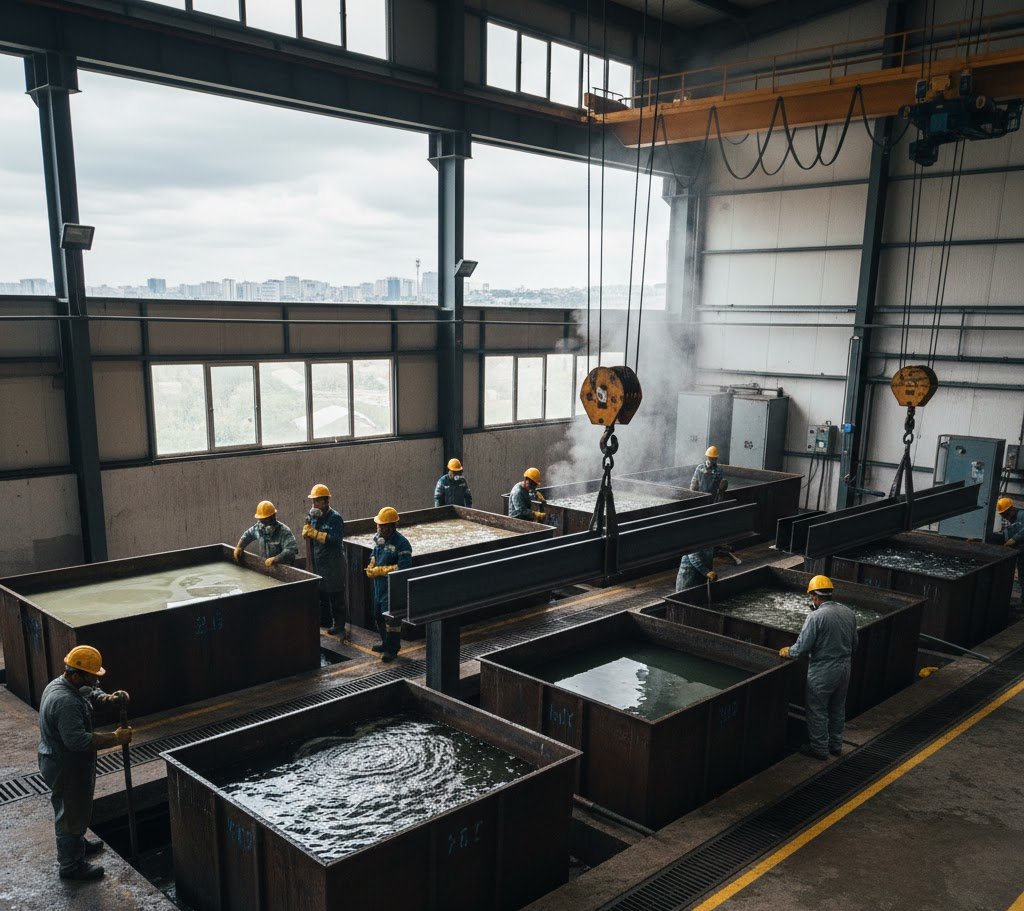
Galvanizing requires controlled chemical pretreatment, material handling, process equipment, heating, inspection, and trained personnel. Energy and labor costs therefore contribute to the final price.
Transportation and Logistics
The dimensions and weight of fabricated steel components can significantly affect transportation costs.
Important factors include:
- Distance to the galvanizing facility
- Vehicle type
- Component dimensions
- Loading and unloading requirements
- Packaging and stacking
- Delivery location
- Return transportation
For large steel structures, logistics can represent a significant part of the total project cost.
How Can You Get an Accurate Galvanizing Price?
Because raw material, zinc, energy, labor, and logistics costs can change over time, fixed historical price ranges may quickly become inaccurate.
For a reliable quotation, provide the galvanizing company with:
- Material type
- Component dimensions
- Unit and total weight
- Quantity
- Technical drawings
- Surface condition
- Fabrication details
- Required coating specification
- Delivery location
- Required completion date
→ Accurate technical information leads to more accurate galvanizing quotations.
Advantages of Galvanizing
Galvanizing can provide several technical and economic benefits.
Long Service Life
Hot-dip galvanized steel can provide corrosion protection for decades, depending on coating thickness, environmental corrosivity, product design, and exposure conditions.
Low Maintenance Requirements
Galvanized steel generally requires relatively little routine coating maintenance. Reduced repainting and repair requirements can lower lifecycle costs.
Recyclability
Steel and zinc can both be recovered through established recycling processes. Extending the service life of steel products can also reduce replacement frequency and associated resource consumption.
Durable Metallic Surface
Galvanizing creates a characteristic metallic finish that may range from bright to matte gray. Appearance depends on steel chemistry, material thickness, cooling conditions, and process parameters.
What Should Be Considered When Choosing a Galvanizing Service?
Selecting the right galvanizing provider is important for achieving the required coating performance. Price should be considered alongside technical capability, quality control, production capacity, and delivery requirements.
Key criteria include:
- Suitable galvanizing capacity
- Experience with similar components
- Surface preparation processes
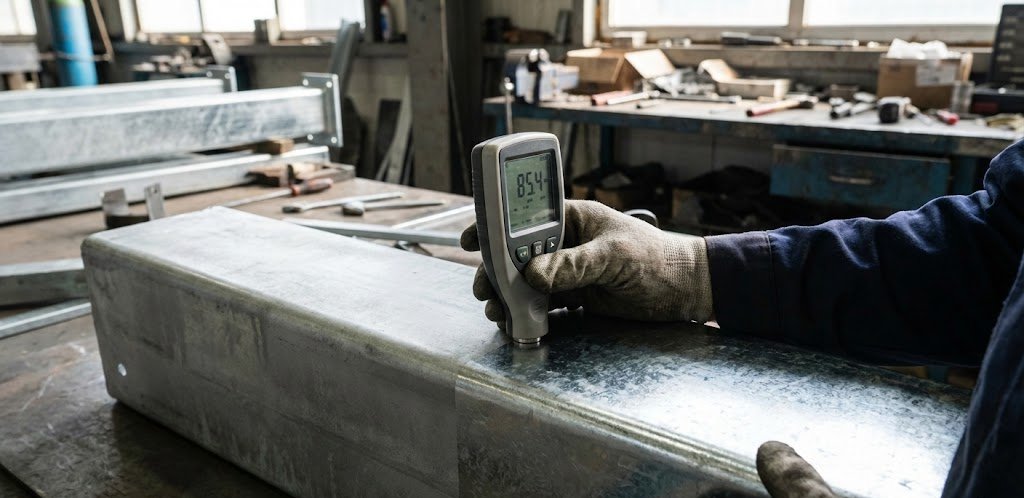
- Quality control procedures
- Applicable standards
- Production and delivery planning
- Technical communication
- Project-specific quotation terms
Project-Specific Solutions from Avrasya Galvaniz
Avrasya Galvaniz provides hot-dip galvanizing solutions for fabricated steel and industrial projects. Project requirements can be evaluated according to component dimensions, geometry, steel characteristics, quantities, coating specifications, and delivery schedules.
Working from technical drawings and complete project information helps determine processing requirements and prepare a more accurate quotation.
Galvanizing as a Lifecycle Investment
Galvanizing involves an initial processing cost, but the financial evaluation should also consider the complete service life of the steel product.
For outdoor structures and industrial equipment, reduced maintenance, repainting, repair, and replacement requirements can provide significant lifecycle savings.
The most appropriate corrosion protection system should therefore be selected according to:
- Initial cost
- Expected service life
- Environmental exposure
- Maintenance access
- Downtime requirements
- Repair costs
- Applicable project standards
Galvanizing is an established method for extending the service life of steel products and reducing corrosion-related maintenance requirements. Its cost varies according to component weight, geometry, surface condition, zinc prices, production requirements, logistics, and project specifications.
For an accurate galvanizing cost, Avrasya Galvaniz can evaluate your technical drawings, dimensions, quantities, and delivery requirements and prepare a project-specific quotation.