What Is Electrogalvanizing?
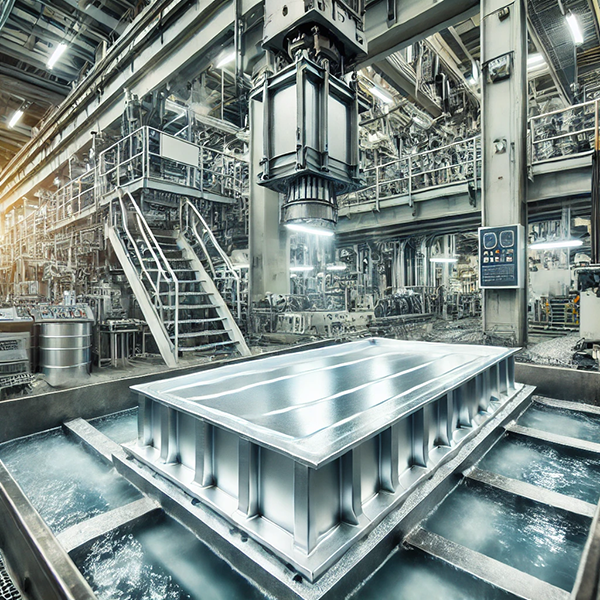
Electrogalvanizing is a coating method used to protect the surfaces of metals such as steel or iron against corrosion. In this process, a thin layer of zinc is applied to the metal using an electrochemical method. Zinc acts as a barrier that protects the metal against rust and extends the service life of the material. This method is widely preferred across many industries, from manufacturing and automotive to construction and home appliance production.
How Is Electrogalvanizing Performed?
The electrogalvanizing process is generally carried out through the following steps:
1. Surface Preparation
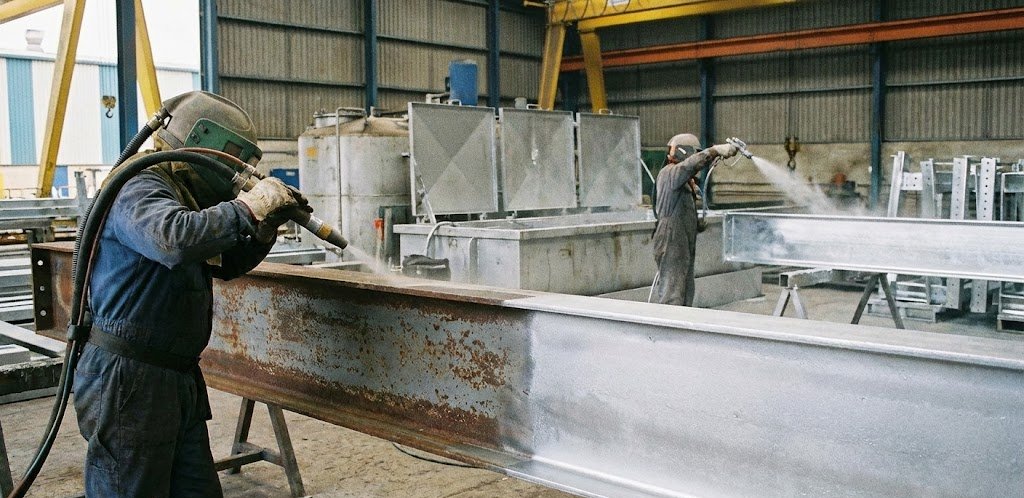
The metal surface to be coated is first cleaned. Foreign substances such as dirt, oil, and rust are removed using chemical or mechanical methods. This step improves the quality of the coating.
2. Coating Bath
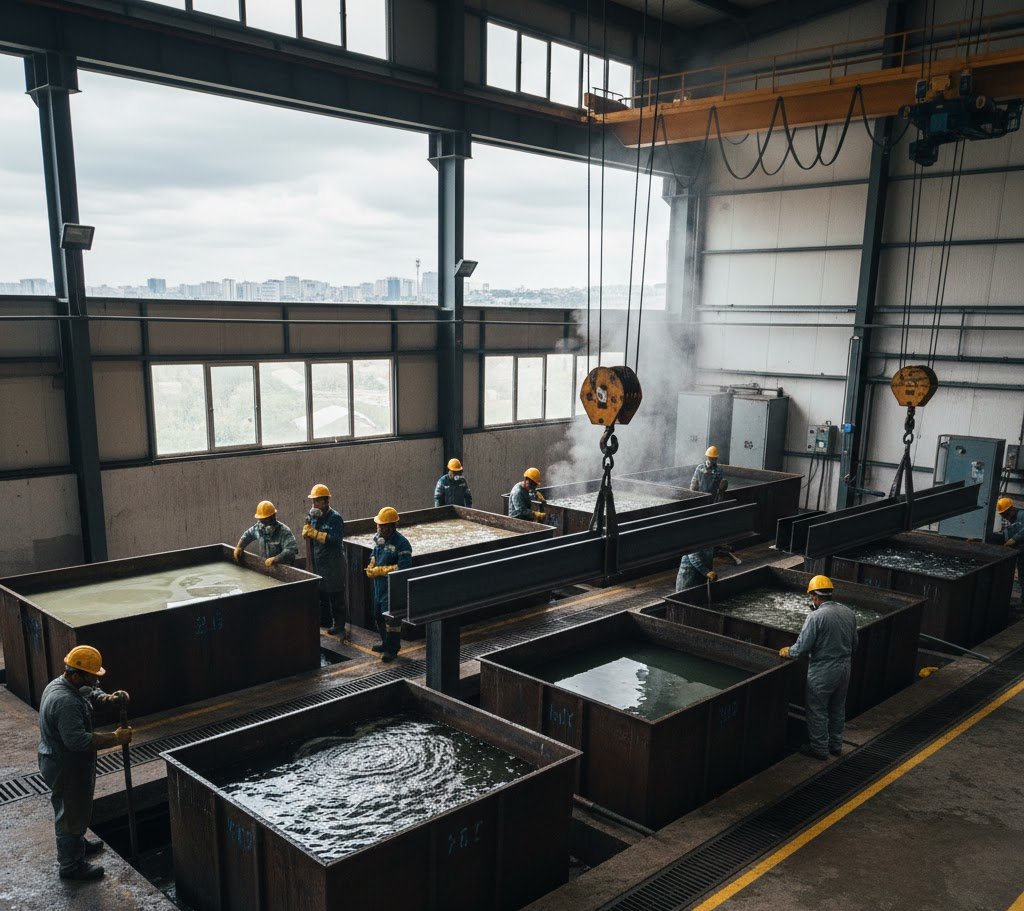
The metal is immersed in an electrolyte solution containing zinc ions. This solution generally contains zinc sulfate or zinc chloride.
3. Application of Electric Current
A direct current (DC) power source enables zinc ions to move onto the metal surface. The positive electrode (anode) consists of zinc, while the negative electrode (cathode) is the metal to be coated. Through the electric current, zinc ions are deposited uniformly on the metal surface.
4. Post-Treatment
After the coating process is completed, the metal is rinsed and dried if necessary. Additional processes such as passivation or painting may also be applied over the coating to provide extra protection.
Advantages of Electrogalvanizing
Electrogalvanizing is widely preferred in industry because of the many advantages it provides:
1. Corrosion Resistance
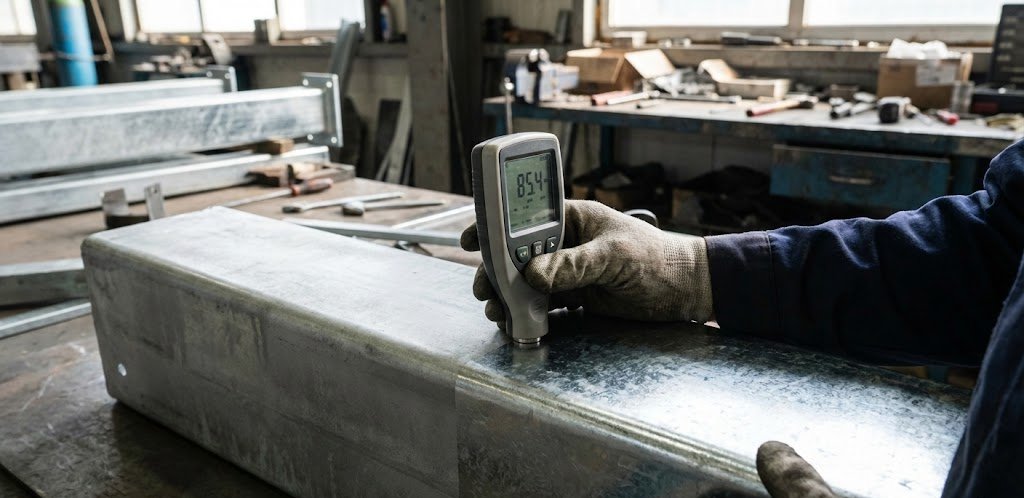
The zinc coating protects the metal against oxidation under atmospheric conditions, minimizing the risk of rust.
2. Aesthetic Appearance
The coated surface has a bright and smooth appearance, making it suitable for decorative purposes as well.
3. Economical and Effective
Compared with other coating methods, it is cost-effective and can be applied quickly.
4. Environmental Protection
Since the coating process extends the service life of materials, it reduces resource consumption.
Where Is Electrogalvanizing Used?
Electrogalvanizing is preferred in many industries where both durability and aesthetics are required:
Automotive Industry: Protection of components such as chassis parts and fasteners against corrosion.
Home Appliances: Metal surfaces used in washing machines, dishwashers, and ovens.
Construction: Steel structures, fences, and piping systems.
Electronics: Electrical panels and connection components.
Differences Between Electrogalvanizing and Hot-Dip Galvanizing
The main differences between electrogalvanizing and hot-dip galvanizing are as follows:
| Feature | Electrogalvanizing | Hot-Dip Galvanizing |
|---|---|---|
| Coating Thickness | Thin and uniform | Thicker |
| Surface Appearance | Smooth and bright | More matte and textured |
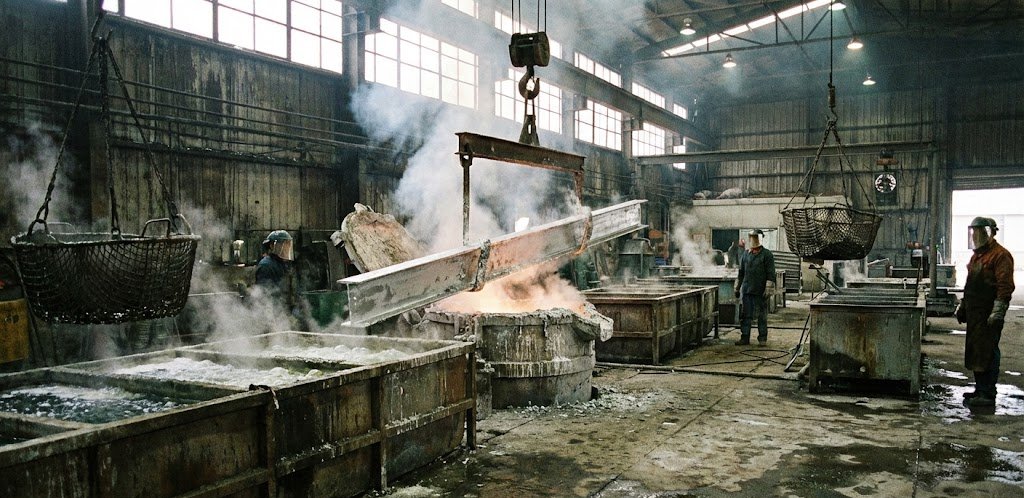
| Applications | Precision and decorative applications | Applications requiring greater durability |
Is Electrogalvanizing Environmentally Friendly?
This method is considered an environmentally friendly application because it extends the service life of materials and reduces waste generation. However, proper recycling and disposal of the chemicals used during production are highly important.