What Factors Affect Galvanizing Prices?

Galvanizing is a protective process in which metals such as steel or iron are coated with zinc. This process helps prevent corrosion and can significantly extend the service life of metal products. Widely used in construction, automotive, agriculture, energy, and industrial applications, galvanizing provides important advantages in terms of durability and lifecycle costs.
One of the most common questions for companies planning a galvanizing project is how the price is determined. Galvanizing prices vary according to several technical, material, production, and logistics factors.
Factors Affecting Galvanizing Prices
Galvanizing prices are not determined solely by surface area. Several factors can influence the final quotation.
Type of Material to Be Galvanized
The type and condition of the material are among the primary factors affecting price. Different products, including:
- Steel sheet
- Pipes and profiles
- Wire products
- Fabricated steel components
may require different handling and surface preparation processes.
Steel geometry, surface condition, weight, and fabrication details can affect zinc consumption, processing requirements, and production planning.
Product Dimensions and Geometry
The dimensions and geometry of the product are important considerations in galvanizing. Large, complex, or hollow components may require additional handling and careful process planning.
Closed sections, narrow openings, overlapping surfaces, and complex geometries may require properly designed vent and drain holes for safe and effective hot-dip galvanizing. Component dimensions must also be compatible with the galvanizing bath and handling equipment.
Galvanizing Method
Different zinc coating methods involve different processes and cost structures. Two common methods are:
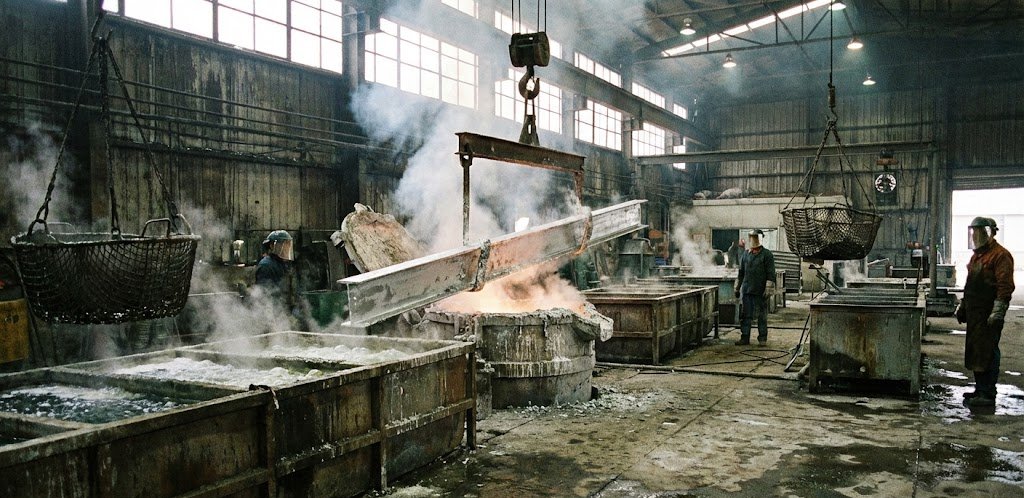
Hot-Dip Galvanizing: The fabricated steel component is immersed in molten zinc. This process typically creates a relatively thick, metallurgically bonded coating suitable for long-term corrosion protection.
Electrogalvanizing: Zinc is deposited onto the metal surface through an electrochemical process. It generally creates a thinner and more uniform coating.
The price difference between these methods depends on the component, required coating specification, production volume, and process requirements. One method should not automatically be assumed to be more expensive in every application.
Zinc Market Prices
Zinc is a key raw material in galvanizing, so changes in global zinc prices can directly affect processing costs. Market fluctuations may therefore be reflected in galvanizing quotations.
Exchange Rates and Input Costs
Exchange rates may influence the cost of zinc, chemicals, equipment, spare parts, energy, and other production inputs. For this reason, currency movements can indirectly affect galvanizing prices.
Order Quantity
Larger production volumes may allow more efficient production planning and handling, potentially reducing certain unit costs. Smaller orders may have higher unit costs because preparation, handling, and production setup still need to be completed.
Delivery Schedule and Urgency
Projects requiring urgent processing may require changes to the production schedule or additional handling. Depending on plant capacity and workload, expedited orders may therefore have different pricing conditions.
Planning galvanizing requirements in advance can help reduce scheduling-related costs.
Surface Condition and Preparation
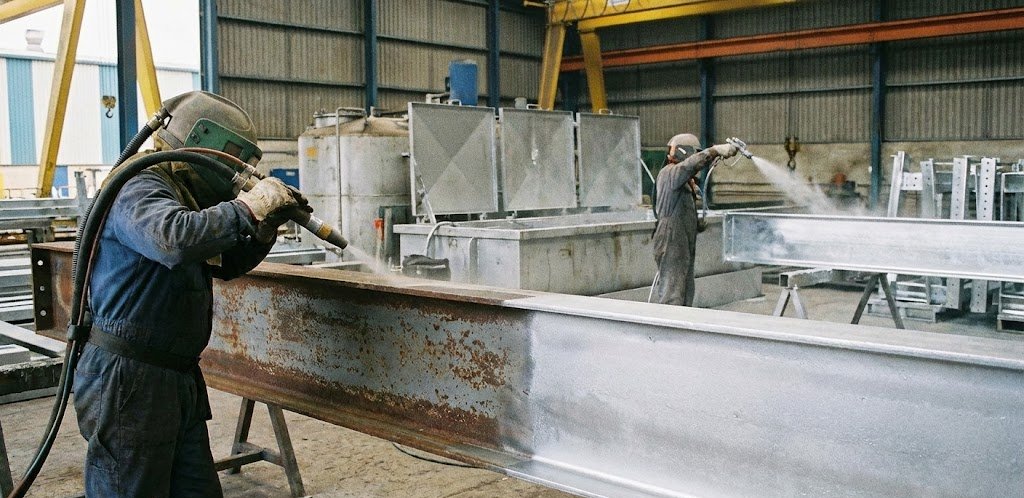
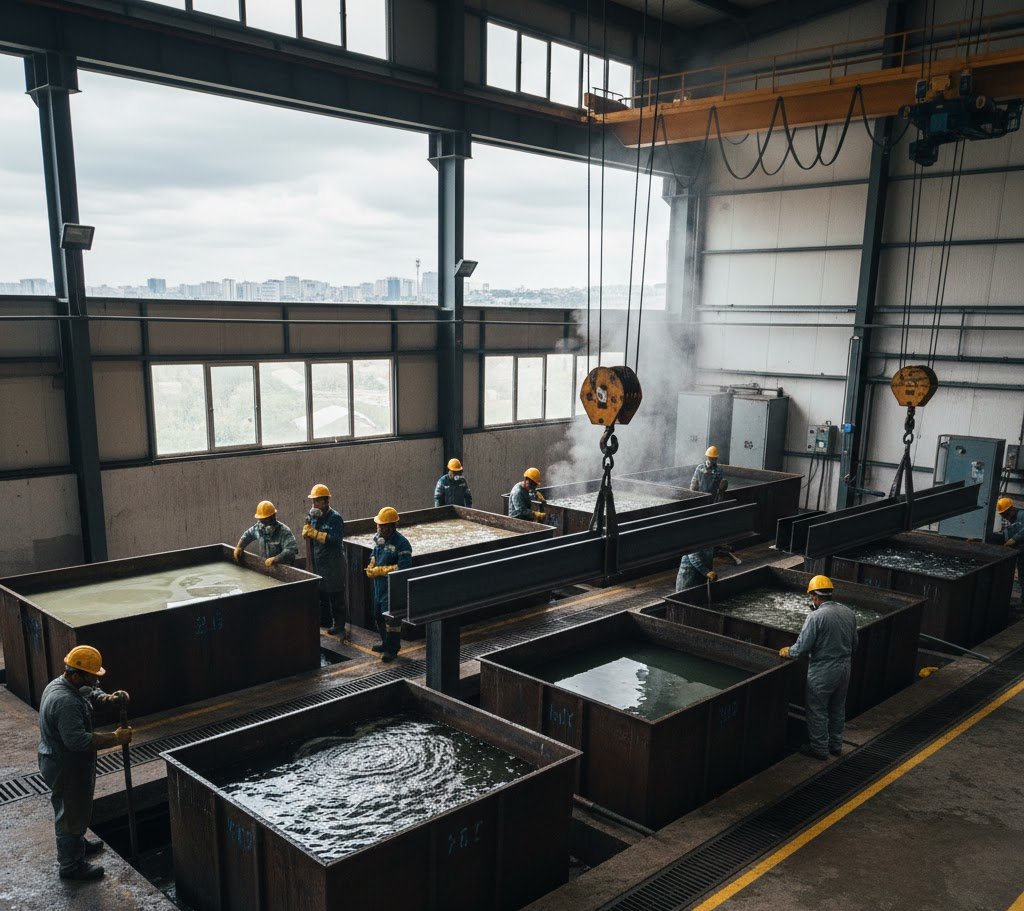
Surface preparation is critical for successful galvanizing. Oil, paint, welding residues, heavy contamination, and other materials that cannot be removed through the standard chemical pretreatment process may require additional preparation.
The condition of the incoming steel can therefore affect processing requirements and price.
Transportation and Logistics Costs
Transporting products to the galvanizing facility and delivering them after processing can affect the total project cost.
Important logistics factors include:
- Distance to the galvanizing facility
- Component dimensions and weight
- Vehicle requirements
- Loading and unloading needs
- Packaging and stacking requirements
- Delivery location
For projects outside the local area, transportation may represent a significant portion of the total cost.
Project-Specific Galvanizing Solutions from Avrasya Galvaniz
For companies looking for galvanizing services with project-specific pricing, Avrasya Galvaniz provides solutions for industrial and fabricated steel applications.
The company evaluates factors such as component dimensions, weight, geometry, quantity, surface condition, technical requirements, and delivery schedule when preparing a quotation.
Advantages of Working with Avrasya Galvaniz
- Industrial galvanizing infrastructure
- Project-specific production planning
- Quality-focused coating processes
- Technical evaluation
- Delivery planning
- Quotations based on project requirements
Providing complete technical information at the quotation stage helps ensure more accurate pricing and production planning.
What Should You Consider When Requesting Galvanizing Services?
Price is important, but coating quality, technical suitability, and expected service life should also be evaluated. Before selecting a galvanizing provider, consider the following factors:
Applicable Standards
The correct standard should be selected according to the product and coating process. For example, EN ISO 1461 applies to hot-dip galvanized coatings on fabricated iron and steel articles, while EN 10346 covers continuously hot-dip coated steel flat products.
These standards apply to different product categories and should not be treated as interchangeable.
Technical Experience
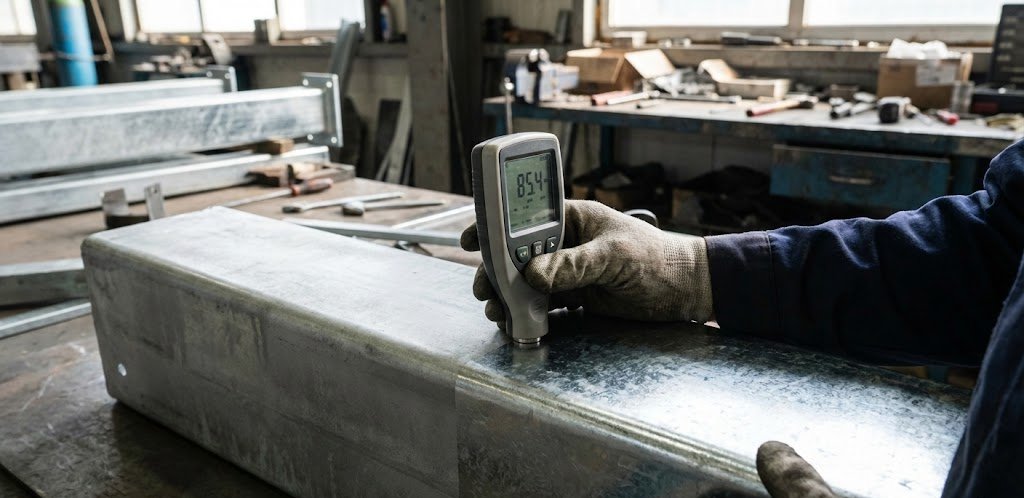
Galvanizing requires technical knowledge of steel chemistry, component design, surface preparation, venting and drainage, handling, coating formation, and inspection. Working with an experienced technical team helps reduce production and quality risks.
References and Production Capability
Previous project experience can provide useful information about a company’s ability to process components with similar dimensions, geometry, quantity, and technical requirements.
Production capacity should also be evaluated according to the size and schedule of the project.
What Information Is Needed for an Accurate Galvanizing Quote?
For a more accurate quotation, prepare the following information:
- Material type
- Component dimensions
- Approximate unit and total weight
- Quantity
- Technical drawings
- Surface condition
- Fabrication and welding details
- Required galvanizing specification
- Delivery location
- Required completion date
The more complete the project information, the more accurately production and pricing can be evaluated.
Galvanizing prices vary according to many factors, including material type, component dimensions, geometry, zinc prices, production requirements, order quantity, surface condition, and logistics.
For this reason, comparing quotations solely on a price-per-kilogram basis may not provide an accurate assessment. Coating requirements, quality control, delivery terms, technical capability, and total project scope should also be considered.
Avrasya Galvaniz provides project-specific galvanizing solutions for companies requiring long-term corrosion protection. By sharing your technical drawings, dimensions, quantities, and delivery requirements, you can request an evaluation and quotation tailored to your project.