What Does Hot-Dip Galvanizing Do?
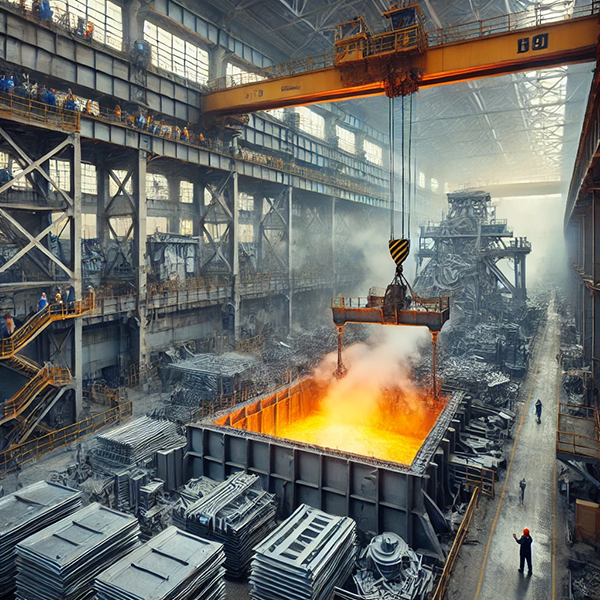
Hot-dip galvanizing is a coating method used to protect metals such as steel and iron against corrosion. In this process, the metal surface is coated with molten zinc, making it resistant to external factors. The galvanizing process extends the service life of the metal while also providing high resistance to environmental conditions.
The main purpose of this method is to protect metal against rust and oxidation. In addition to creating a physical barrier on the metal surface, the zinc coating provides cathodic protection, helping protect the metal against scratches and surface damage.
How Is Hot-Dip Galvanizing Performed?
The hot-dip galvanizing process consists of several stages. Each stage is carefully carried out to ensure effective protection of the steel.
1. Surface Preparation
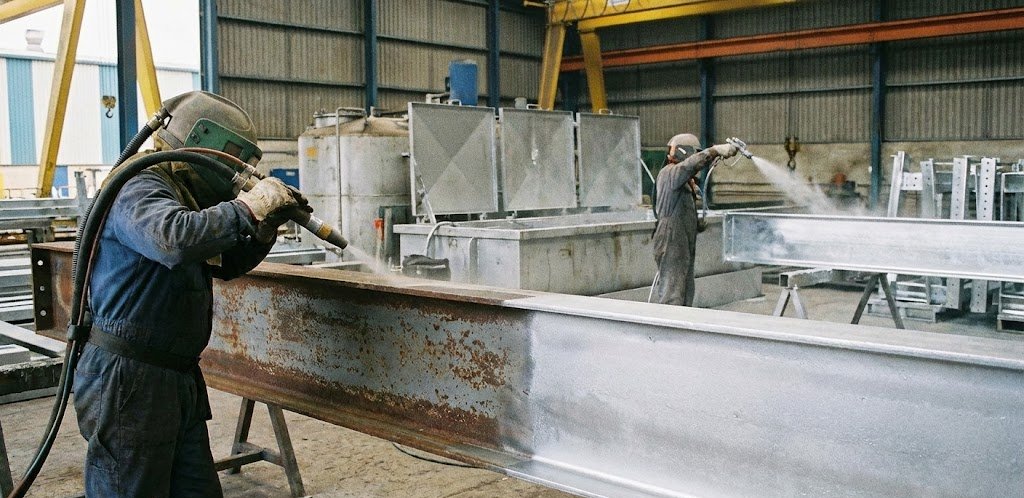
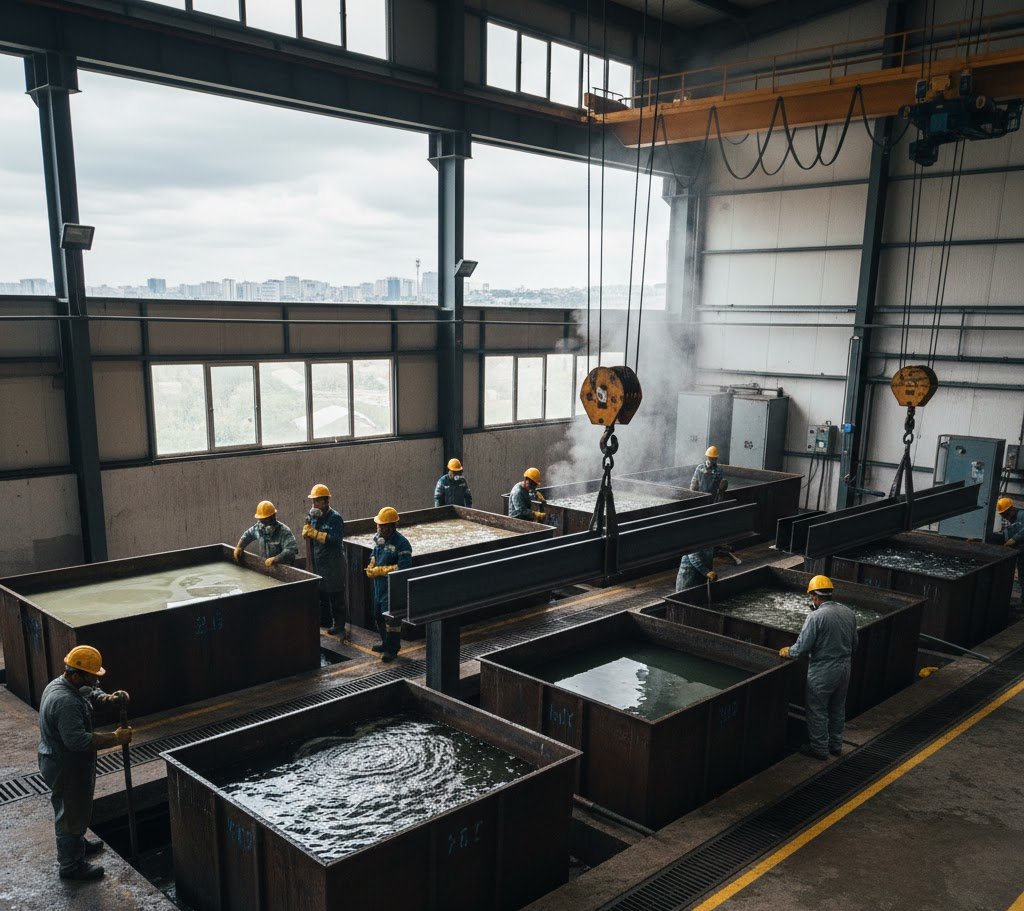
Surface preparation is one of the most critical stages of the hot-dip galvanizing process. At this stage, the metal surface must be completely clean. If oil, rust, or dirt remains on the surface, the zinc coating cannot form properly. Therefore, the following processes are carried out:
- Degreasing: Oil, grease, and dirt on the metal surface are removed using alkaline or acidic solutions.
- Acid cleaning (pickling): The metal surface is immersed in a hydrochloric acid bath to remove rust and oxide layers.
- Flux coating: A flux solution is applied to the metal surface to improve the adhesion of the zinc coating.
2. Immersion in Zinc
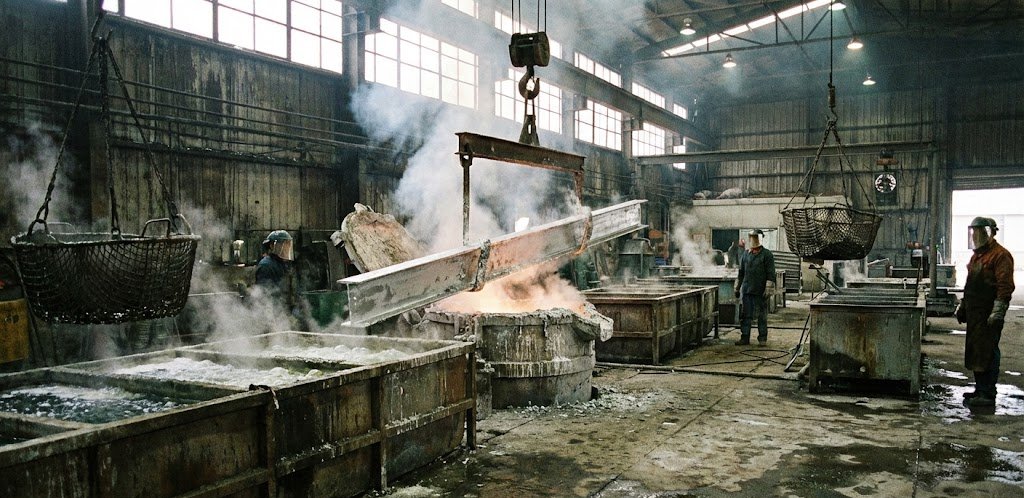
The cleaned and flux-coated metal is immersed in a bath of molten zinc at approximately 450°C. At this temperature, the zinc chemically reacts with the metal surface and forms a strong bond. The zinc coating spreads across the entire metal surface and provides high resistance to corrosion.
3. Cooling and Final Inspection
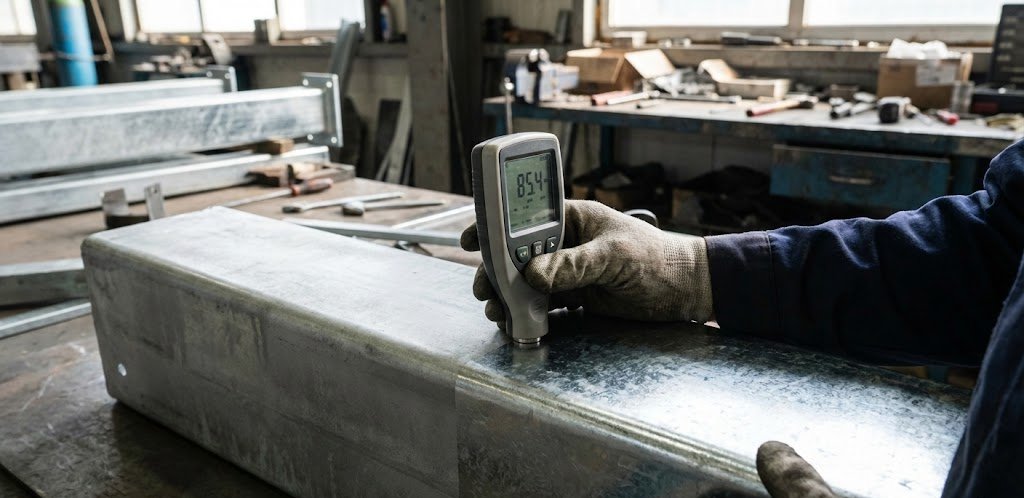
After being immersed in zinc, the metal is removed from the bath and cooled. This process is generally carried out using air or water. The thickness, uniformity, and quality of the coating are then inspected. If any defects are found in the coating, the necessary corrective actions are taken.
Advantages of Hot-Dip Galvanizing
Hot-dip galvanizing is widely preferred for protecting metal structures because of the various advantages it provides. Some of the key benefits of this method include:
Long-Lasting Protection
Hot-dip galvanized coating protects metal against environmental factors for many years. Thanks to the zinc coating, steel surfaces provide high resistance to factors such as moisture, rain, snow, chemicals, and saltwater.
Low Maintenance Requirements
Galvanized coating is an economical solution because it does not require additional maintenance or painting. It protects the metal surface for many years without significant deterioration. It is particularly suitable for metal structural components exposed to outdoor conditions.
High Corrosion Resistance
The zinc coating not only protects the metal surface but also provides additional resistance to scratches and impacts. Even if the coating is damaged, zinc provides cathodic protection that helps protect the metal against oxidation.
Durable and Environmentally Friendly
Hot-dip galvanizing is an environmentally friendly coating method. The zinc coating extends the service life of the metal, and because zinc is recyclable, the environmental impact can be kept to a minimum.
Applications of Hot-Dip Galvanizing
This method has a wide range of applications and is preferred across many industries. Some of the most common applications of hot-dip galvanizing include:
Construction and Building Industry
Steel structural components used in the construction industry are hot-dip galvanized to extend their service life and improve their resistance to corrosion. Bridges, highway barriers, steel structures, and building frames are protected using this method.
Energy and Electrical Industry
Metal structures used in energy infrastructure, such as utility poles, substations, and solar panel frames, are galvanized to improve their resistance to outdoor weather conditions.
Automotive and Transportation Industry
In the automotive industry, vehicle chassis, exhaust systems, and other metal components are hot-dip galvanized to provide resistance against rust. This method is also used for railway components and railway bridges.
Agriculture and Livestock
Galvanizing is used to protect metal structures in the agricultural sector, including agricultural machinery, irrigation systems, greenhouses, animal shelters, and fences.
Marine and Shipyard Industry
Ship components, port structures, and marine equipment that require resistance to the corrosive effects of seawater are protected using hot-dip galvanizing.
Differences Between Hot-Dip Galvanizing and Electrogalvanizing
Hot-dip galvanizing and electrogalvanizing are two different methods used to protect steel surfaces. However, there are important differences between them:
| Feature | Hot-Dip Galvanizing | Electrogalvanizing |
|---|---|---|
| Coating Method | Immersion in molten zinc | Electrochemical coating |
| Coating Thickness | Thicker and more durable | Thinner and more precise |
| Corrosion Resistance | Very high | Moderate |
| Applications | Heavy industry, construction, outdoor conditions | Precision metal parts, automotive industry |
Hot-dip galvanizing is more commonly preferred for heavy industrial and outdoor applications because it provides a thicker and more durable coating, while electrogalvanizing is generally suitable for metal components used indoors.
Hot-dip galvanizing is an effective method that enables metals such as steel and iron to remain resistant to corrosion for many years. It is widely used particularly in the construction, automotive, energy, and agricultural sectors. Its long service life, low maintenance requirements, and environmentally friendly characteristics make it an economical solution for increasing the durability of metal structures. If you want to protect metal and extend its service life, hot-dip galvanizing is one of the most effective methods available.