What Does Galvanizing Mean?
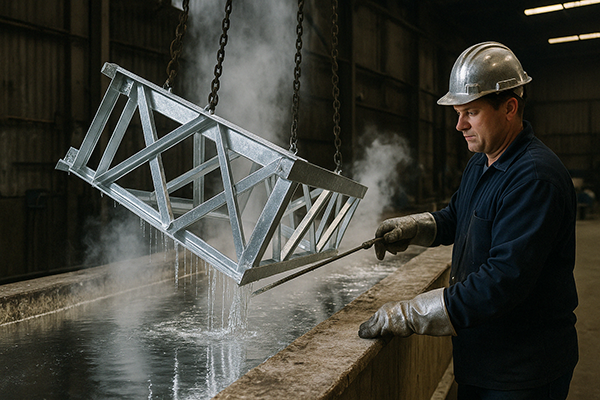
Galvanizing is the process of coating metals, particularly iron and steel surfaces, with zinc to protect them against rust. This process not only extends the service life of the metal but also makes it more resistant to environmental factors. Frequently used in the construction, automotive, energy, and infrastructure sectors, galvanizing is one of the essential processes in modern industrial manufacturing.
Definition of the Galvanizing Process
Galvanizing is essentially the process of coating a metal surface with a thin layer of zinc. This process protects the metal against both physical and chemical factors. Zinc reacts with oxygen and moisture that come into contact with the metal, forming a protective barrier on the surface. This barrier prevents the metal from coming into direct contact with corrosive factors such as air, water, and chemicals.
History of Galvanizing
The history of galvanizing dates back to the 18th century. In 1742, French chemist Paul Jacques Malouin introduced a method of coating iron with zinc. However, the term galvanizing takes its name from Italian scientist Luigi Galvani. Galvani studied the effects of electricity on metals, and these findings inspired developments in zinc coating.
Galvanizing Methods
The galvanizing process can be applied using different methods. The main methods selected according to the intended application, surface characteristics, and cost considerations include:
Hot-Dip Galvanizing
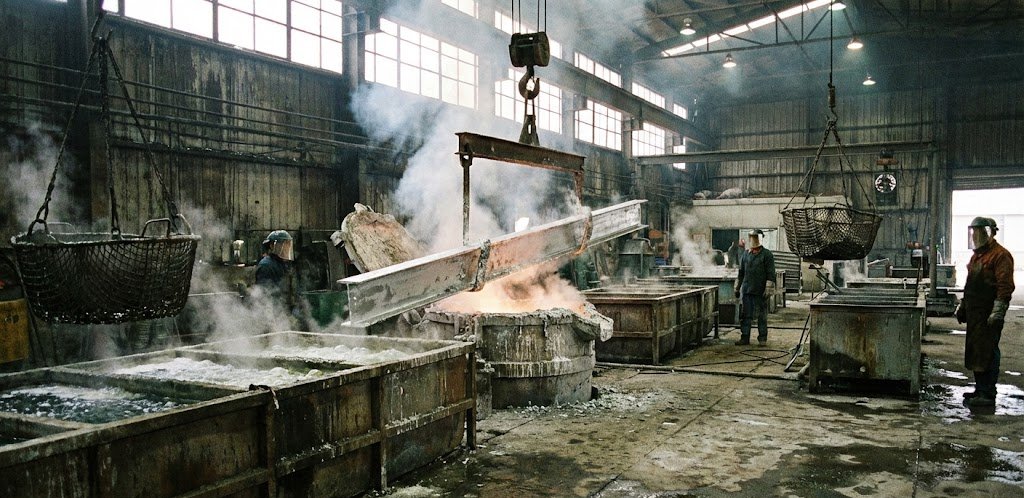
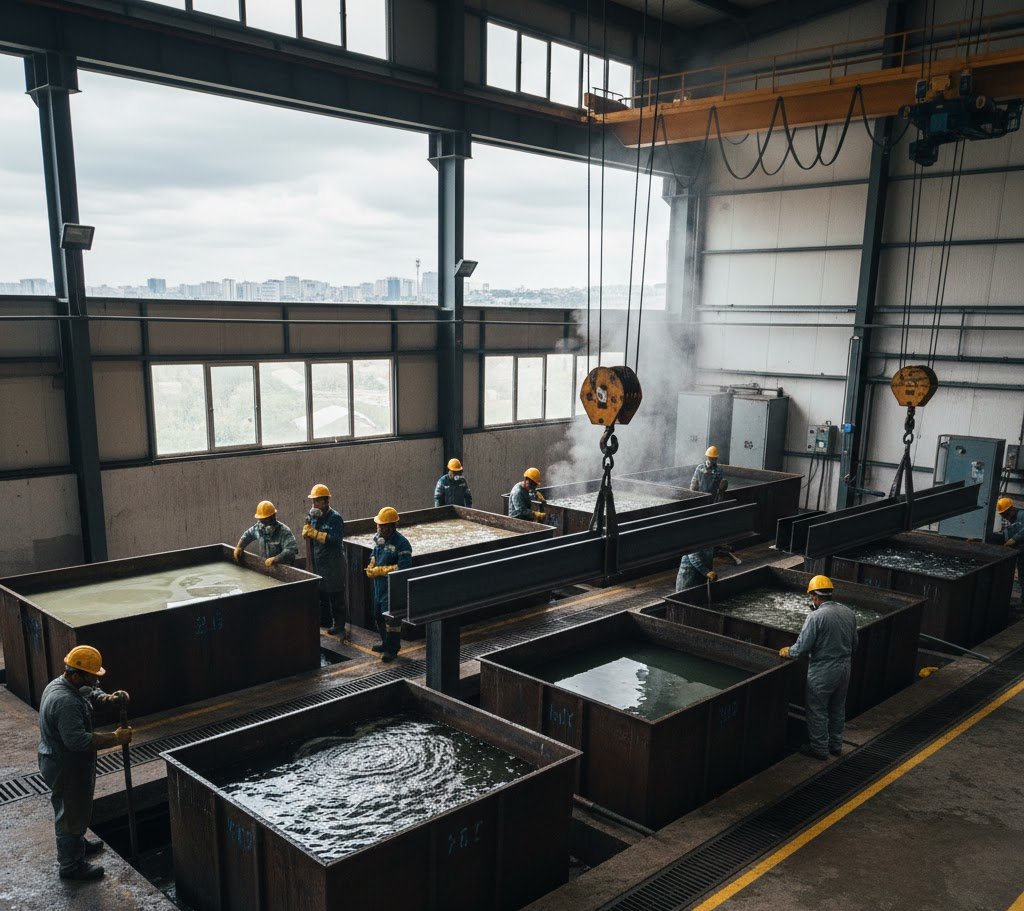
In this method, the metal is immersed in a bath of molten zinc. The surface is coated with zinc, providing comprehensive protection against rust. It is particularly suitable for structural components intended for outdoor use. It provides long-lasting and durable protection.
Electrogalvanizing
In this method, zinc is applied to the metal surface using an electric current. A thinner and more aesthetically uniform coating is obtained. It is frequently preferred for small components and decorative products. However, it does not provide the same level of protection as hot-dip galvanizing.
Mechanical Galvanizing
In this technique, zinc powder is mechanically bonded to the metal surface. Applied in vibrating drums with special additives, this method is generally suitable for small components such as bolts and screws.
Thermal Spray Galvanizing
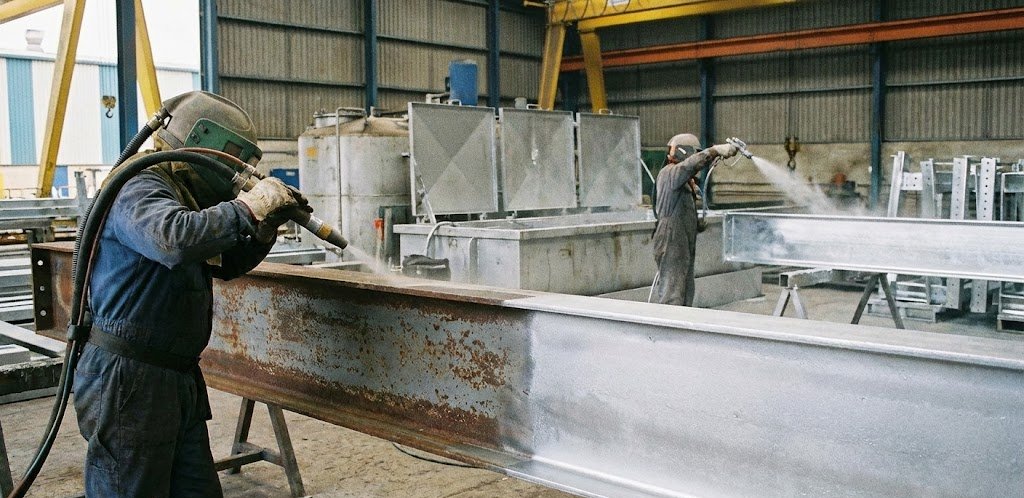
Zinc is melted at high temperatures and sprayed onto the metal surface. It is particularly used for large surfaces and repair coatings.
Benefits of Galvanizing
The galvanizing process not only prevents rust but also provides many technical and economic advantages.
Long-Lasting Protection
Galvanized metals can remain durable for many years, particularly in outdoor environments. The zinc layer maintains its protective properties over time and helps prevent deterioration of the metal.
Low Maintenance Costs
Galvanized surfaces require very little maintenance. They do not require frequent painting, recoating, or repairs. This provides significant advantages in terms of both time and cost.
Aesthetic Appearance
Components coated using the electrogalvanizing method have brighter and smoother surfaces. This makes them suitable for both indoor and decorative applications.
Environmentally Friendly
Zinc is a naturally occurring element, and galvanized surfaces can be recycled. Their long service life also reduces resource consumption, providing an important advantage in terms of environmental sustainability.
Where Are Galvanized Products Used?
Metals treated through galvanizing are widely used across many industries. Galvanized products are commonly found wherever durability and long service life are required.
Construction Industry
In construction, many structural components such as roof frames, fences, stairs, scaffolding components, and water pipes are galvanized. Galvanizing is particularly important for structures exposed to outdoor conditions.
Automotive Industry
Many components, such as vehicle chassis parts, exhaust systems, and brake discs, are manufactured from galvanized steel. This helps create structures that are both lightweight and durable.
Electrical and Energy Infrastructure
Galvanized steel is used for energy infrastructure components such as utility poles, transformer enclosures, and solar panel support systems. Durability, safety, and long service life are key requirements in these applications.
Agriculture and Livestock
Agricultural equipment such as greenhouses, irrigation systems, and feeders is manufactured using galvanized materials. These products can remain in service for extended periods even under humid and demanding conditions.
Service Life of Galvanized Materials
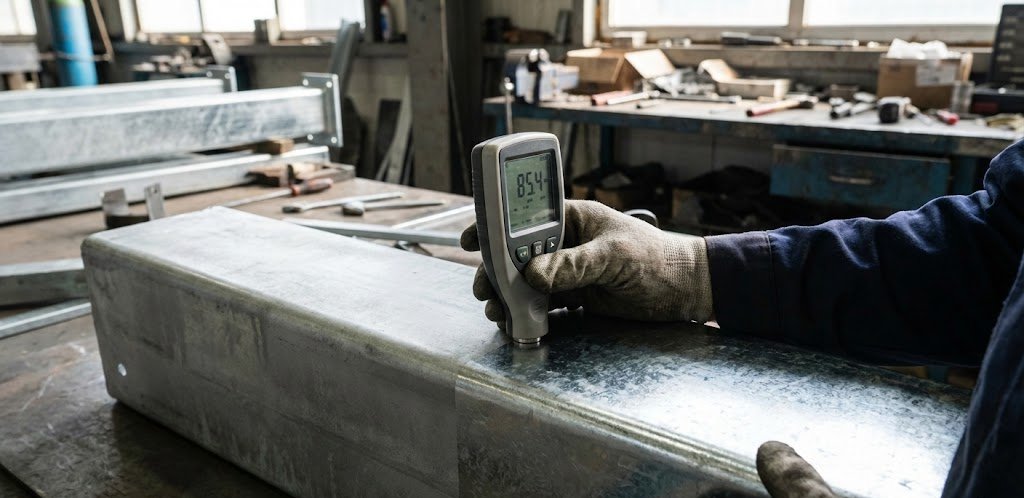
The service life of galvanized metal depends on environmental conditions. In humid and salty environments such as coastal areas, galvanized coatings may deteriorate more quickly. However, in general, a high-quality galvanized product can provide a service life of between 30 and 50 years.
Are There Any Disadvantages to Galvanizing?
Although galvanizing provides many advantages, it also has some limitations.
Surface uniformity is important: The galvanizing process provides more effective results on properly prepared surfaces. The coating may not be uniform on defective surfaces.
Sensitive to high temperatures: The galvanized zinc layer may lose its properties when exposed to extremely high temperatures.
Welding may become more difficult: Galvanized surfaces may require special preparation before welding.
Galvanizing and Corrosion Resistance
Corrosion is the gradual deterioration of metal as it reacts with oxygen and moisture over time. Galvanizing slows down or can prevent this process. Corrosion resistance is particularly important for structures operating under outdoor conditions.
Galvanizing is one of the most effective methods for protecting metal surfaces against environmental factors. It not only increases durability but also provides important economic and environmental benefits. The widespread use of galvanized products in applications ranging from industrial manufacturing to individual use demonstrates the importance of this process.