What Does Galvanizing Do?

Galvanizing is the process of applying a layer of zinc to metal surfaces to protect iron and steel against corrosion. Zinc creates a protective barrier against external factors and delays rusting of the underlying metal.
This method is particularly preferred for steel products used outdoors. It extends the service life of metal products across many industries, including construction, energy, agriculture, automotive, infrastructure, and security systems.
The main functions of galvanizing include:
- Protecting metal surfaces against rust.
- Extending the service life of products.
- Reducing maintenance and replacement requirements.
- Providing resistance to outdoor conditions.
- Offering long-term cost advantages.
When selecting galvanized coating, the intended application, coating method, and environmental conditions should be evaluated together. Avrasya Galvaniz provides an approach focused on selecting galvanized products according to the correct application and achieving long-lasting performance.
What Is Galvanizing?
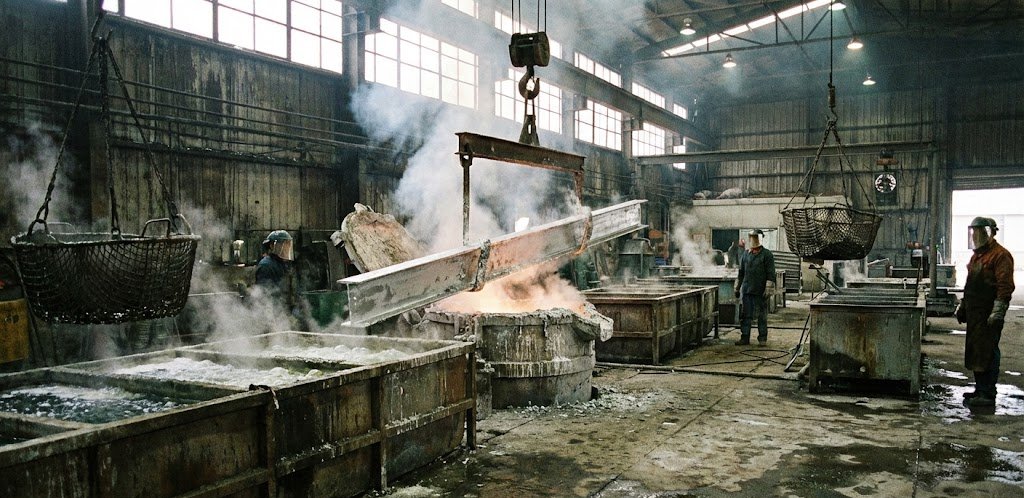
Galvanizing is the process of protecting a steel or iron surface against corrosion by coating it with zinc. The most common application method is hot-dip galvanizing. In this method, the metal part is immersed in a bath of molten zinc after undergoing surface preparation processes.
The zinc coating creates a protective layer on the metal surface. This layer prevents the steel from coming into direct contact with moisture, rain, snow, air pollution, and chemical effects.
One of the important characteristics of galvanizing is that it not only covers the surface but also actively protects the steel. Zinc reacts before steel, helping delay damage to the underlying metal.
For this reason, galvanizing is widely used outdoors, in humid environments, industrial areas, and structures where maintenance access is difficult.
What Does Galvanizing Do?
Galvanizing delays rusting of steel and iron products, increases their durability, and extends their service life. Rain, moisture, snow, sunlight, dust, and chemical exposure can cause corrosion over time in metal products used outdoors. Galvanizing slows this process.
Galvanizing is particularly used for the following purposes:
- Protecting steel surfaces against corrosion
- Providing long service life for outdoor products
- Reducing maintenance costs
- Increasing the wear resistance of metal surfaces
- Maintaining structural safety over the long term
Poles, fences, profiles, pipes, steel structures, solar panel supports, and agricultural equipment are among the products where galvanizing is frequently used.
Galvanizing is preferred not only for aesthetic appearance but also as a technical protection solution that helps products maintain their function over an extended period. For Avrasya Galvaniz products, the intended application, outdoor conditions, and durability requirements are evaluated together to prioritize the selection of the appropriate galvanized product.
Main Benefits of Galvanizing
The most important benefit of galvanizing is that it provides metal surfaces with long-term corrosion resistance. The zinc layer separates the steel surface from environmental exposure, reducing the risk of rust.
The main advantages include:
Provides corrosion resistance: Protects steel against rain, moisture, snow, and outdoor environmental effects.
Reduces maintenance costs: Requires less maintenance compared with applications such as paint that may require frequent renewal.
Provides a long service life: Extends the service life of metal products when the appropriate coating thickness is used under suitable operating conditions.
Increases mechanical durability: The coating layer formed during hot-dip galvanizing adheres strongly to the surface.
Provides an economical solution: Offers long-term advantages when maintenance and replacement costs are considered alongside the initial investment.
Suitable for recycling: Steel and zinc can be included in recycling processes.
These characteristics make galvanizing a reliable option, particularly for metal products used outdoors and under heavy-duty conditions.
How Is Galvanizing Performed?
The galvanizing process may vary depending on the coating type. Hot-dip galvanizing, the most common method, consists of several basic stages. Proper execution of these stages is important for ensuring that the coating adheres correctly to the surface.
The hot-dip galvanizing process generally consists of the following steps:
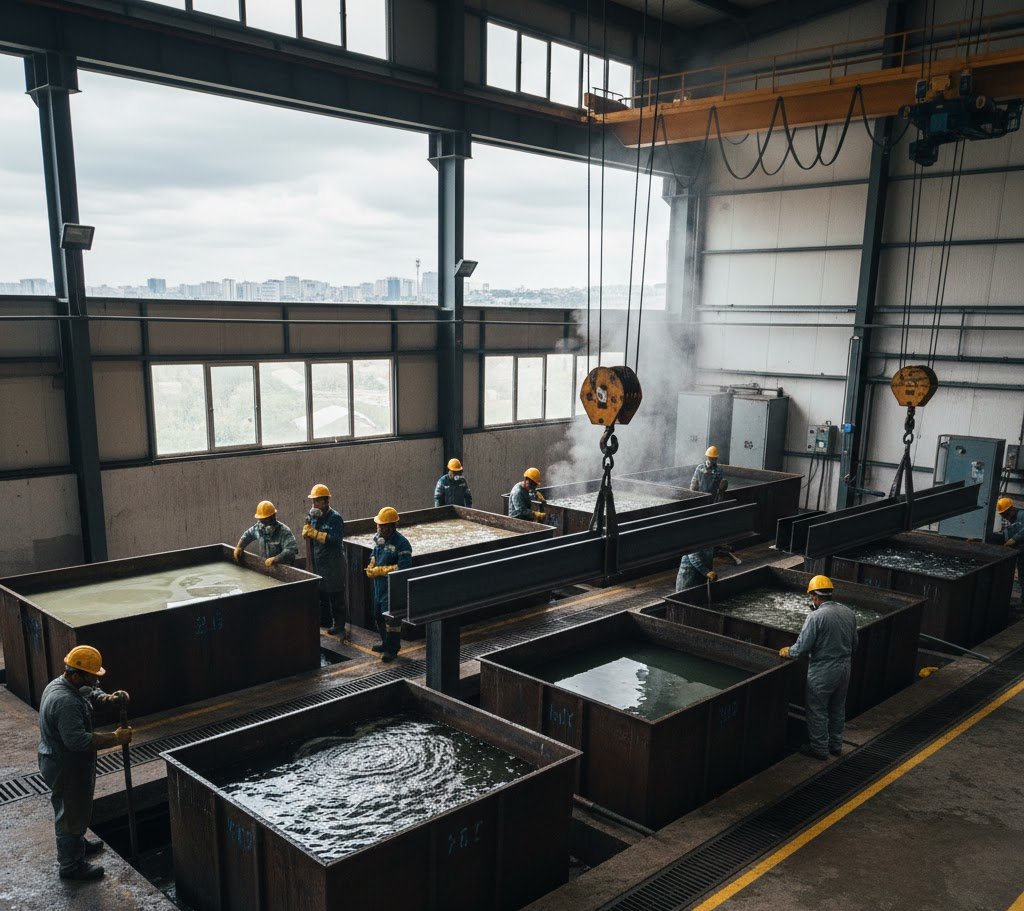
- Surface cleaning: Oil, dirt, grease, and foreign substances are removed from the metal surface.
- Pickling: Rust and oxide layers are removed from the surface.
- Fluxing: The metal surface is prepared for the zinc bath and protected against re-oxidation.
- Zinc bath: The prepared metal part is immersed in molten zinc.
- Cooling: The coated product is cooled under controlled conditions.
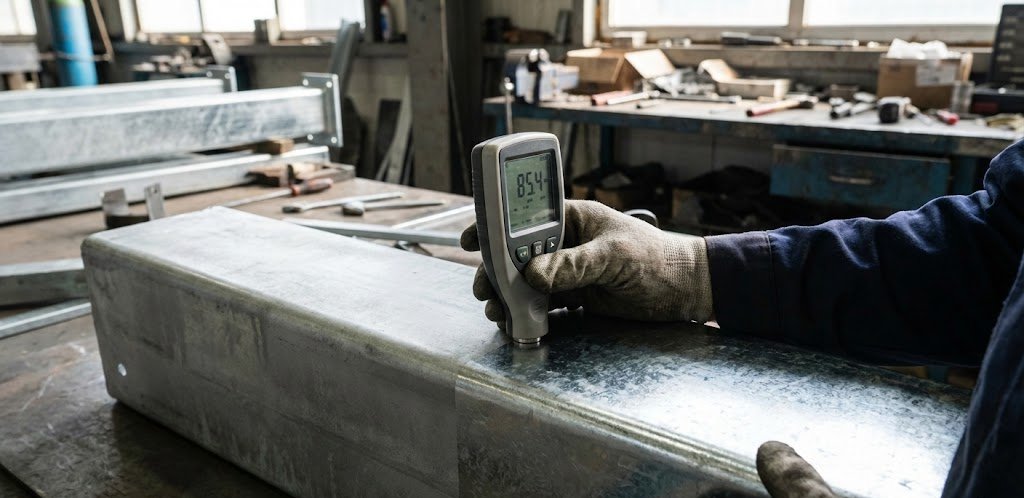
- Quality control: Coating thickness, surface integrity, and coating adhesion are inspected.
Surface preparation directly affects galvanizing quality. Oil, rust, or dirt remaining on the metal surface can prevent the zinc coating from adhering properly. For this reason, pre-treatment and cleaning stages are highly important.
What Are the Types of Galvanizing?
Galvanizing can be applied using different methods depending on the intended application and product characteristics. Each method differs in terms of coating thickness, surface appearance, durability, and intended use.
| Coating Type | Key Feature | Suitable Application | Point to Consider |
|---|---|---|---|
| Hot-dip galvanizing | Provides a thick and durable coating | Poles, profiles, fences, structures | Surface appearance may vary depending on the product structure |
| Electrogalvanizing | Creates a thin and uniform surface | Automotive parts, decorative products, indoor applications | Outdoor durability is more limited |
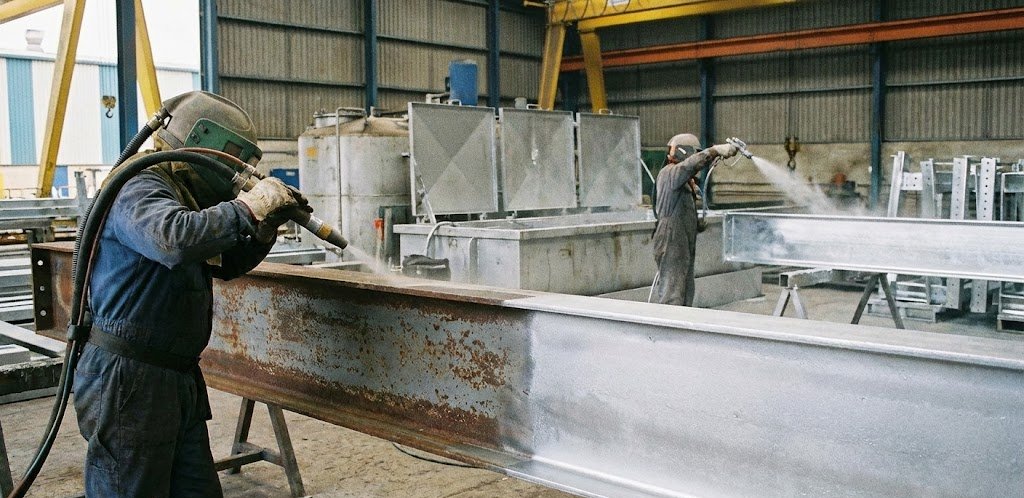
| Thermal spray galvanizing | Allows local repairs and on-site application | Maintenance, repair, and large-surface applications | Application quality is critical |
| Continuous galvanizing | Enables mass production of sheet and coil products | Galvanized sheet, panels, and automotive body components | Selected according to product form |
Hot-dip galvanizing stands out for products requiring long-term outdoor durability. Electrogalvanizing is preferred for applications requiring a smoother and more aesthetic surface.
To select the correct method, the product’s operating environment, expected service life, exposure to external factors, and aesthetic requirements should be evaluated together.
Where Is Galvanizing Used?
Galvanizing is widely used for metal products that operate outdoors, come into contact with moisture, or need to remain durable for extended periods. Across different industries, it is preferred both to improve structural durability and reduce maintenance requirements.
The main application areas include:
Construction industry: Steel structures, roof frames, railings, stairs, and connection components
Energy sector: Utility poles, solar panel supports, wind energy equipment
Agriculture and livestock: Greenhouse profiles, irrigation equipment, feeders, and shelter systems
Automotive industry: Chassis components, body sheets, and connection equipment
Infrastructure projects: Highway barriers, bridge components, drainage covers, and wire fencing
Security systems: Galvanized fences, cage systems, gates, and panel fencing applications
Galvanizing provides particular advantages in areas where maintenance is difficult, costly, or risky. For this reason, it is widely preferred for steel products exposed to outdoor conditions.
What Should Be Considered When Selecting Galvanized Coating?
When selecting galvanized coating, the fact that a product is galvanized is not sufficient on its own. The coating method, coating thickness, operating environment, and product geometry should all be evaluated together.
The main criteria to consider include:
- Will the product be used indoors or outdoors?
- Is the application area exposed to high humidity, marine conditions, or industrial pollution?
- Is hot-dip galvanizing or electrogalvanizing more suitable?
- Is the coating thickness suitable for the intended application?
- Will the product be coated before or after welding, cutting, or drilling?
- Will storage and shipping conditions protect the coating surface from damage?
- Does the product need to operate for an extended period without maintenance?
For products used outdoors, coating thickness and surface protection levels become more critical. For indoor or decorative applications, surface uniformity and aesthetic appearance may be a higher priority.
Avrasya Galvaniz adopts an evaluation approach that considers not only product dimensions but also the operating environment, coating durability, installation conditions, and long-term maintenance requirements when selecting galvanized coatings. This approach supports more appropriate and efficient use of galvanized products across different industries.
Are There Any Disadvantages to Galvanizing?
Although galvanizing is a strong protection method, it does not provide unlimited performance under every condition. Coating performance may be affected by factors such as temperature, chemical environment, storage method, and mechanical damage.
The main points to consider include:
High temperatures: Continuous exposure to high temperatures may reduce the performance of the zinc coating.
White rust formation: White rust may develop on newly galvanized products if they are stacked in humid and poorly ventilated environments.
Variations in surface appearance: Surface brightness and pattern may not be identical on every hot-dip galvanized product.
Protection required after cutting and welding: Areas processed after galvanizing may require additional protection.
Chemical incompatibility: Highly acidic or highly alkaline environments may consume the zinc layer more rapidly.
For these reasons, the environment in which the product will be used should be properly analyzed before galvanizing. Unsuitable environments or incorrect storage conditions may prevent the coating from achieving its expected performance.
Key Considerations When Selecting Galvanizing
Galvanizing should not be evaluated solely in terms of rust resistance. Compliance with standards, product service life, maintenance cycles, sustainability, and total cost of ownership should also be considered together.
Galvanizing has become a strategic material choice, particularly for solar energy systems, modular steel structures, outdoor infrastructure, agricultural systems, and industrial facilities. In these applications, the ability to use products for extended periods without maintenance is important for both operational continuity and cost management.
Purchasing decisions should not be based solely on unit price. The number of years the product can operate without maintenance, the environmental conditions it can withstand, whether it can be dismantled and reused, and whether it has been manufactured in accordance with applicable standards should also be included in the evaluation process.
For this reason, galvanizing specifications should clearly define the coating method, coating thickness, operating environment, storage conditions, and quality control criteria.
Storage and Use of Galvanized Products
The performance of galvanized coating is not limited to the manufacturing process. Proper protection of the product during shipping, storage, and installation is also important for maintaining coating quality.
When newly galvanized products are stored for extended periods in humid, enclosed environments without air circulation, white rust may form on the surface. White rust does not always indicate a structural problem, but it can negatively affect the appearance of the product and should be inspected at an early stage.
The following points should be considered when storing galvanized products:
- Products should not be placed in direct contact with the ground.
- Air gaps should be maintained between parts during stacking.
- Horizontal storage that allows water to accumulate should be avoided.
- Packaged products should not remain in humid environments for extended periods.
- Areas cut or welded during installation should be properly protected.
Proper storage and installation practices support the long-term performance of galvanized coatings. For galvanized products supplied by Avrasya Galvaniz, protecting the surface during shipping, stacking, and installation is also an important criterion for maintaining product service life.
Galvanized Products
Galvanizing can be used on metal products of different forms and characteristics. When selecting a product, not only dimensions and price but also the intended application, mechanical loads, and environmental conditions should be considered.
For galvanized products offered under Avrasya Galvaniz, the industry in which the product will be used and the environmental conditions are among the main factors determining the selection process. This approach ensures that each product group is evaluated according to its intended purpose.
Common galvanized products include:
Galvanized pipe: Used in construction, agriculture, industrial installations, and structural systems.
Galvanized profile: Preferred in steel structures, greenhouses, roofs, and modular structures.
Galvanized sheet: Used in panels, cladding, automotive, and manufacturing industries.
Galvanized fence: Used for gardens, factories, sports areas, and security perimeter applications.
Galvanized fasteners: Used for components such as bolts, nuts, washers, and anchors.
Galvanized wire and mesh systems: Preferred in agricultural, security, and industrial applications.
Although galvanized pipes and galvanized profiles use the same protection principle, their intended applications may differ. Therefore, the operating environment and expected level of durability should be determined before selecting the product.
When selecting galvanized coating, the intended application, environmental conditions, coating method, coating thickness, and storage process should be evaluated together. Avrasya Galvaniz provides a solution-oriented approach for projects targeting long-term and efficient use by ensuring that these technical criteria are considered when selecting galvanized products.