Types of Galvanized Coating

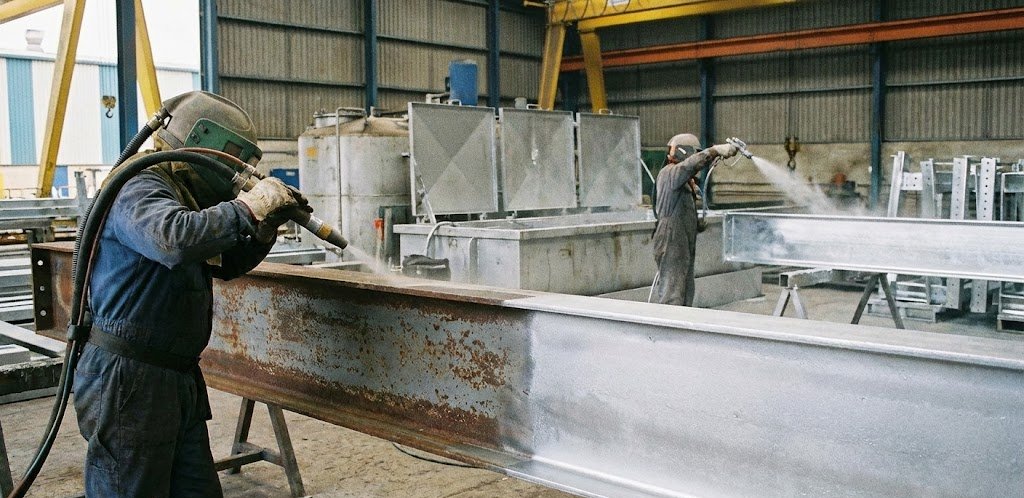
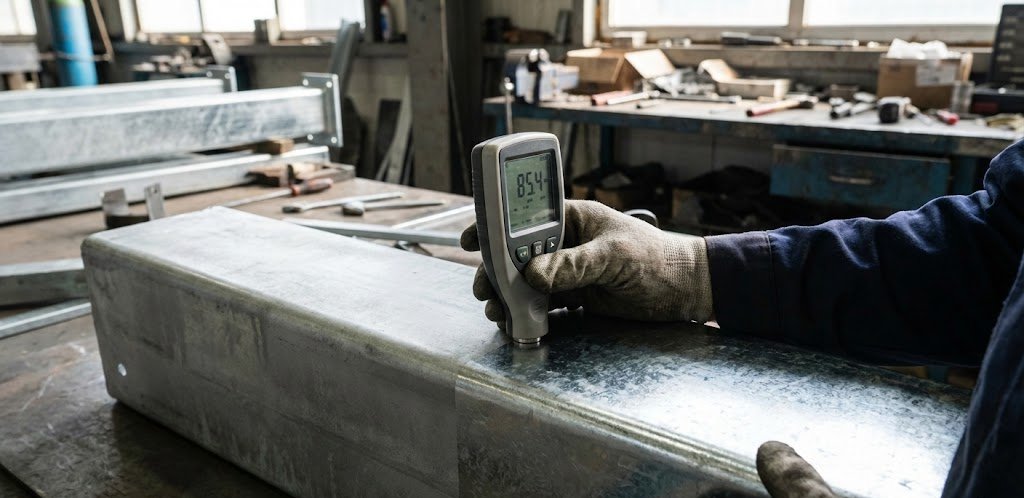
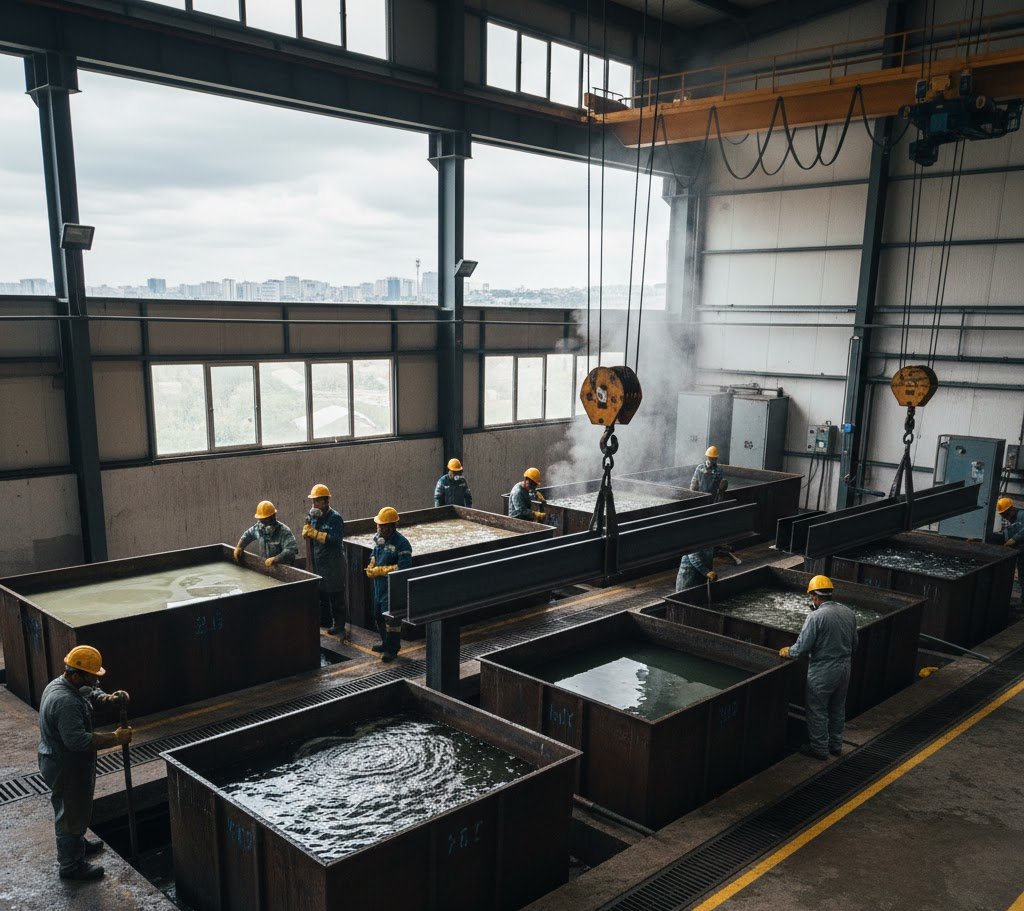
Galvanizing is the process of coating metal surfaces with zinc to prevent wear and rust. This process provides long-lasting protection, particularly for materials exposed to outdoor conditions. Galvanizing methods vary according to different requirements and applications. Here is detailed information about the types of galvanized coating:
Hot-Dip Galvanizing
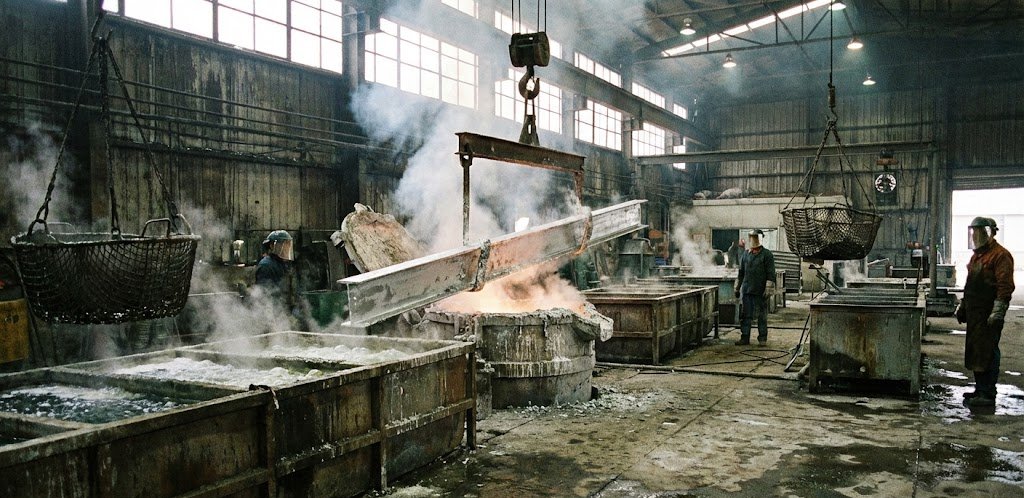
Hot-dip galvanizing is one of the most widely used coating methods. In this method, the steel material is immersed in a bath of molten zinc. The zinc chemically reacts with the steel to form a strong bond, providing high resistance to rust.
Advantages:
- Provides long-lasting protection.
- Resistant to corrosive chemicals.
- Economical method.
Electrolytic Galvanizing
Electrolytic galvanizing is the process of applying a thin layer of zinc to steel with the help of an electric current. This method is particularly preferred for applications requiring a thin coating.
Advantages:
- Provides a thin and uniform coating.
- Low cost.
- Can also be used for decorative purposes.
Galvannealed Coating
This method involves heat-treating the zinc coating after hot-dip galvanizing to improve its bond with the steel surface. Galvannealed coating offers advantages such as weldability and paintability.
Advantages:
- Ideal for welding and painting processes.
- Provides a smooth, matte surface appearance.
- Resistant to impact.
Mechanical Galvanizing
Mechanical galvanizing is applied to small steel components and involves mechanically coating them with zinc powder. This method is particularly used for small components such as bolts and nuts.
Advantages:
- Ideal for small components.
- Provides a uniform coating.
- Offers resistance to highly abrasive environments.
Automatic Galvanizing
This coating method uses automated systems to galvanize large quantities of steel materials in series. It is ideal for businesses seeking speed and efficiency in their production processes.
Advantages:
- Suitable for mass production.
- Cost-effective.
- Provides a uniform coating.
Strip Galvanizing
This method involves continuously galvanizing thin steel strips. Strip galvanizing is frequently used in the automotive, construction, and home appliance industries.
Advantages:
- Enables continuous production.
- Ideal for high-volume production.
- Provides effective protection even for thin materials.
Types of galvanized coating provide long-lasting protection for steel and metal materials by preventing rust. Each method is preferred according to different applications and requirements. Methods such as hot-dip, electrolytic, galvannealed, mechanical, automatic, and strip galvanizing extend the service life of materials while providing cost-effective solutions.