Raw Materials Used in Galvanizing
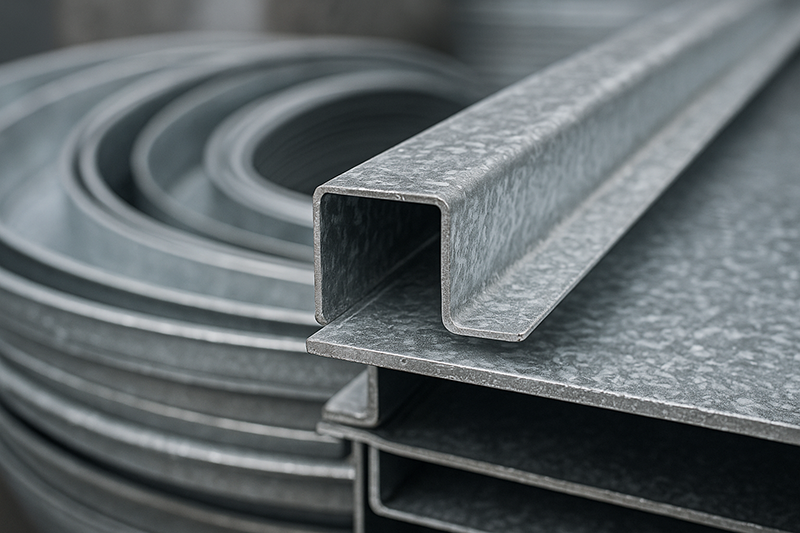
Galvanizing protects steel and iron against corrosion by applying a zinc-based coating. For this reason, zinc is the primary raw material used in galvanizing. Depending on the galvanizing process, zinc bath chemistry, product type, and applicable technical requirements, small amounts of other elements may also be present.
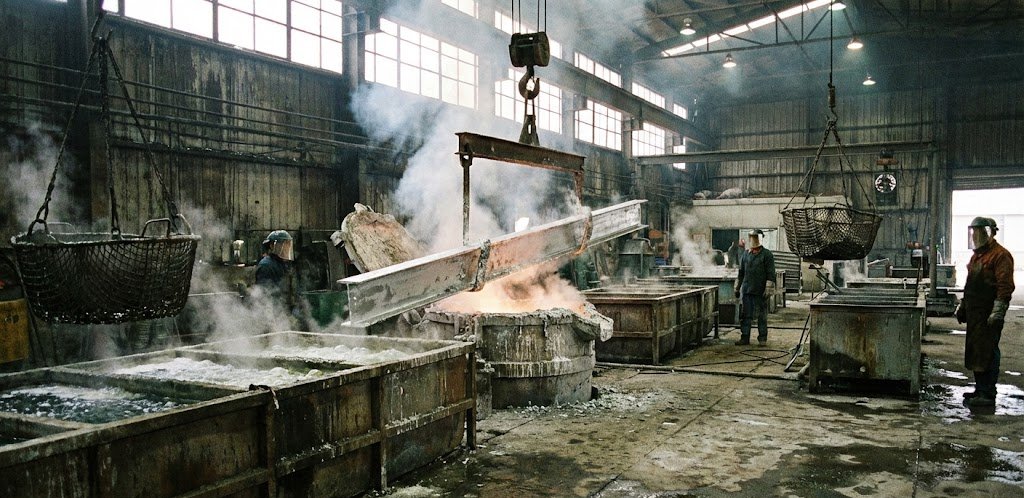
Zinc is particularly suitable for corrosion protection because it forms a protective coating on steel and provides sacrificial protection. In hot-dip galvanizing, steel is immersed in molten zinc, where metallurgically bonded zinc-iron alloy layers form on the surface. Electrogalvanizing, by contrast, deposits zinc electrochemically and generally produces a thinner, more controlled coating.
The exact chemistry used in a galvanizing process should be selected and controlled according to the coating method, product requirements, plant process, and applicable standards.
The Role of Zinc and Bath Chemistry in Galvanizing
The performance of hot-dip galvanizing depends on several interacting factors, including zinc bath composition, steel chemistry, surface preparation, bath temperature, immersion conditions, and withdrawal.
High-grade zinc is the primary material in the galvanizing bath. Small additions of certain elements may be used in some galvanizing operations to control specific process characteristics.
Aluminum
Small amounts of aluminum may be used in zinc bath management for specific process purposes. Its role and concentration depend on the galvanizing process being used.
Continuously galvanized sheet products may use zinc-aluminum coating systems with compositions that differ substantially from conventional batch hot-dip galvanizing of fabricated steel.
Nickel
Nickel may be used in some batch hot-dip galvanizing baths to influence the reaction between zinc and certain steels, particularly steels with specific silicon contents.
Its use should be controlled according to process requirements rather than treated as a universal ingredient in every galvanizing bath.
Lead
Lead was historically used in some galvanizing baths because of its physical properties and influence on bath behavior. However, environmental, occupational health, regulatory, and product requirements have led many modern processes to reduce or avoid intentional lead additions.
Lead should therefore not be presented as a necessary raw material for modern galvanizing.
Other Bath Additions
Depending on the process and facility, controlled additions of elements such as bismuth, tin, or other materials may be used for specific metallurgical or process reasons.
Their suitability depends on technical requirements, environmental regulations, product specifications, and process control.
How Does Raw Material Quality Affect Galvanized Coating Performance?
The quality and control of galvanizing materials can influence process consistency, but coating performance does not depend on zinc purity alone.
Important factors include:
- Zinc bath chemistry
- Steel chemistry
- Surface preparation
- Component geometry
- Bath temperature
- Immersion conditions
- Withdrawal and drainage
- Coating thickness
- Environmental exposure
“High-quality zinc is important, but reliable galvanizing depends on controlling the complete process.”
For example, silicon and phosphorus in the steel can strongly influence zinc-iron alloy growth during hot-dip galvanizing. This means that two steel components galvanized in the same bath may develop different coating thicknesses or appearances.
Main Raw Materials and Process Chemicals Used in Hot-Dip Galvanizing
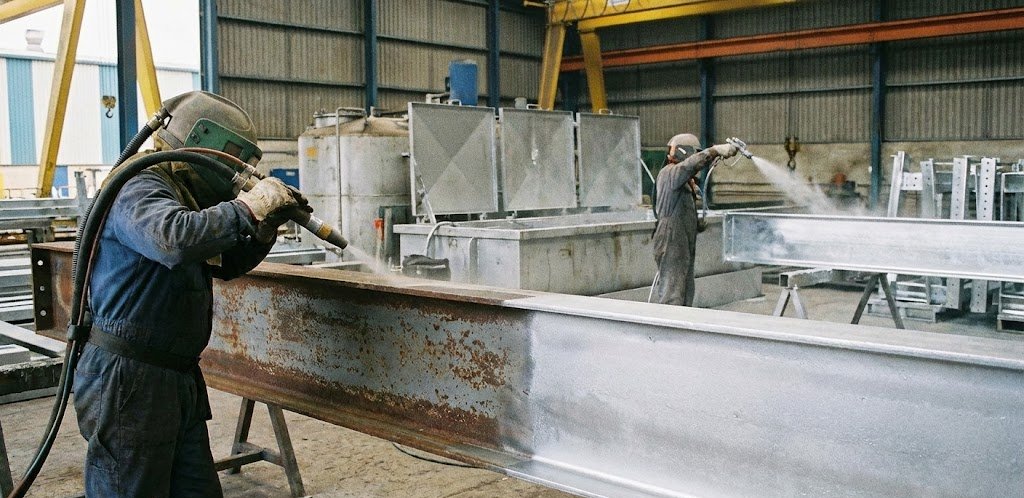
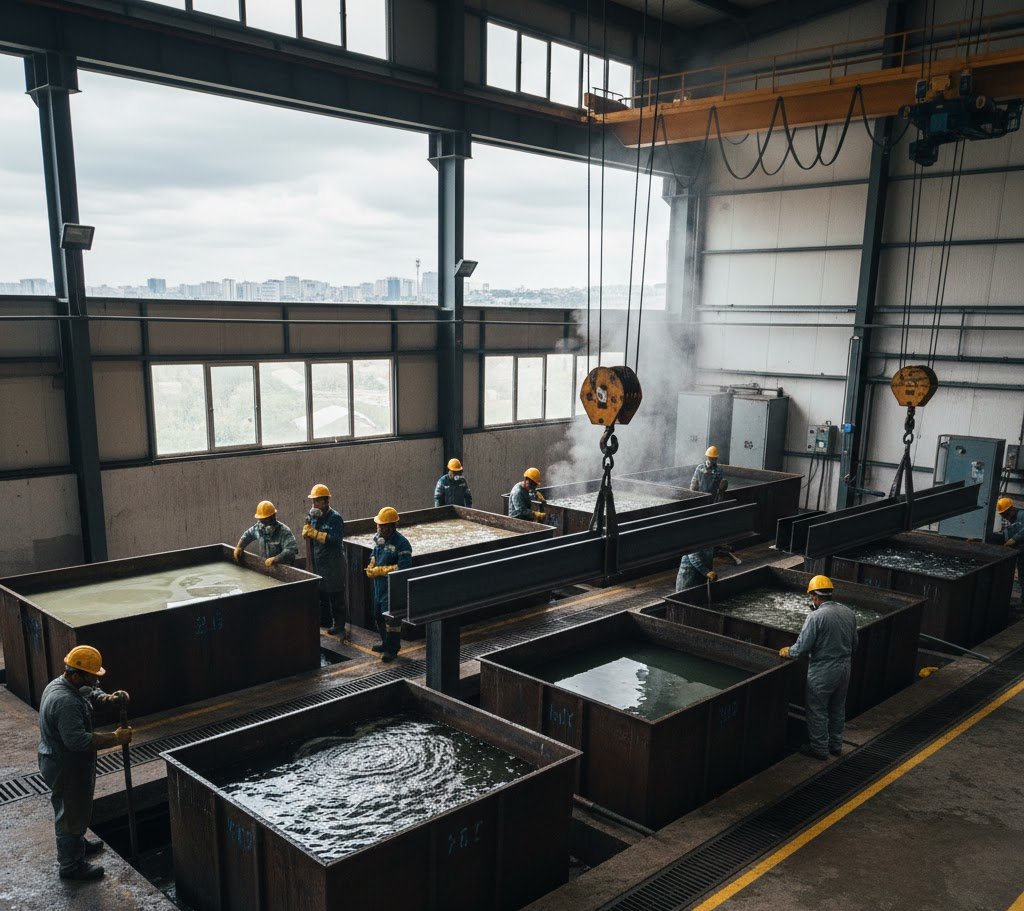
Hot-dip galvanizing requires more than molten zinc. A typical process may involve several materials and chemicals during surface preparation and coating.
| Material | Typical Function |
|---|---|
| Zinc | Primary corrosion-protective coating material |
| Degreasing chemicals | Remove oil and certain surface contaminants |
| Pickling acid | Removes rust and mill scale |
| Flux | Helps prevent oxidation before immersion and supports the zinc-steel reaction |
| Water | Used in rinsing and process control |
| Controlled bath additions | May modify specific process characteristics |
The exact chemicals and concentrations vary according to plant design and operating procedures.
Applications of Zinc-Based Galvanized Coatings
Zinc-based coatings are widely used because steel requires corrosion protection in many industries.
Common applications include:
- Structural steel
- Roofing and façade components
- Utility poles
- Transmission structures
- Highway infrastructure
- Agricultural equipment
- Greenhouses and fencing
- Automotive sheet products
- Industrial machinery
- Fasteners
- Urban infrastructure
- Solar panel support structures
The appropriate zinc coating system depends on the product form, fabrication process, operating environment, and expected service life.
Importance of Modern Technology in the Galvanizing Process
Modern galvanizing facilities use process monitoring and production controls to improve coating consistency, safety, efficiency, and resource use.
Important technologies may include:
- Automated material handling
- Bath temperature monitoring
- Process chemistry control
- Surface preparation monitoring
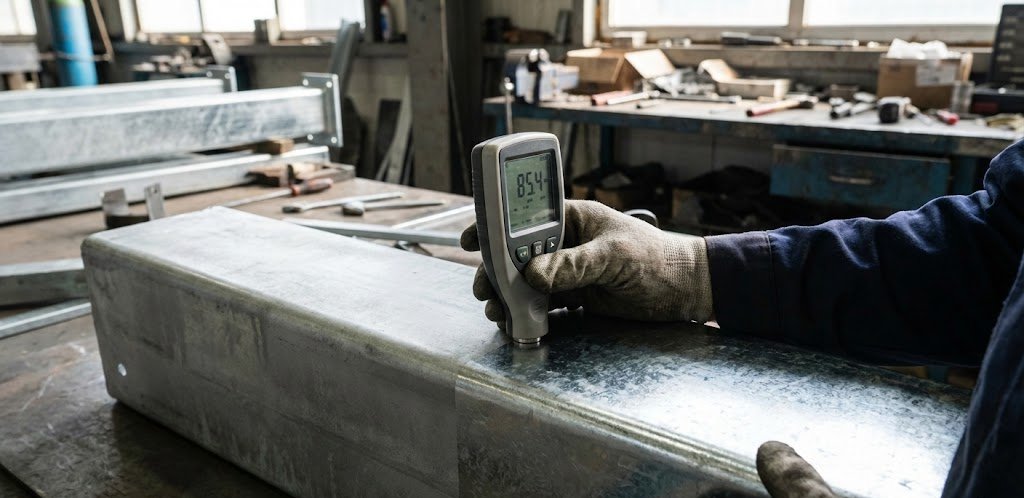
- Coating thickness measurement
- Production tracking systems
- Emissions control
- Wastewater treatment
- Zinc recovery and dross management
- Quality inspection equipment
Technology does not replace correct metallurgy and process control, but it can help maintain more consistent operating conditions.
Standards and Raw Material Control
For batch hot-dip galvanized fabricated iron and steel articles, standards such as EN ISO 1461 define coating requirements and test methods. Guidance in the ISO 14713 series can also support design and corrosion protection decisions.
These standards should be distinguished from standards covering:
- Zinc ingot composition
- Continuously galvanized sheet
- Electroplated zinc coatings
- Fasteners
- Specialized zinc-aluminum coatings
The correct technical reference depends on the product and galvanizing process.
Avrasya Galvaniz’s Approach to Galvanizing Solutions
Avrasya Galvaniz provides hot-dip galvanizing solutions for fabricated steel and industrial projects. Reliable coating performance requires coordinated control of steel characteristics, surface preparation, zinc bath conditions, component design, coating inspection, and project requirements.
Project evaluation may include:
- Steel type and thickness
- Component dimensions
- Fabrication details
- Venting and drainage
- Surface condition
- Applicable coating standard
- Required coating inspection
- Production quantities
- Delivery requirements
Using suitable raw materials is one part of this process; consistent quality depends on managing the entire galvanizing operation correctly.
Why Is Zinc the Key Raw Material in Galvanizing?
Zinc remains the primary raw material in galvanizing because it provides both barrier and sacrificial corrosion protection for steel.
The effectiveness of the finished coating, however, is determined by more than the zinc itself. Steel chemistry, bath control, surface preparation, process conditions, coating thickness, and environmental exposure all influence long-term performance.
For industrial projects requiring hot-dip galvanizing, Avrasya Galvaniz can evaluate technical drawings, component dimensions, steel characteristics, quantities, and coating requirements to support a project-specific galvanizing solution.