Industrial Galvanizing

Industrial galvanizing is a surface coating process used to protect metals such as iron and steel against corrosion. This process coats the metal with a layer of zinc, making it resistant to rust and oxidation. It is widely preferred in many industries, particularly construction, automotive, and energy.
Types of Industrial Galvanizing
Hot-Dip Galvanizing
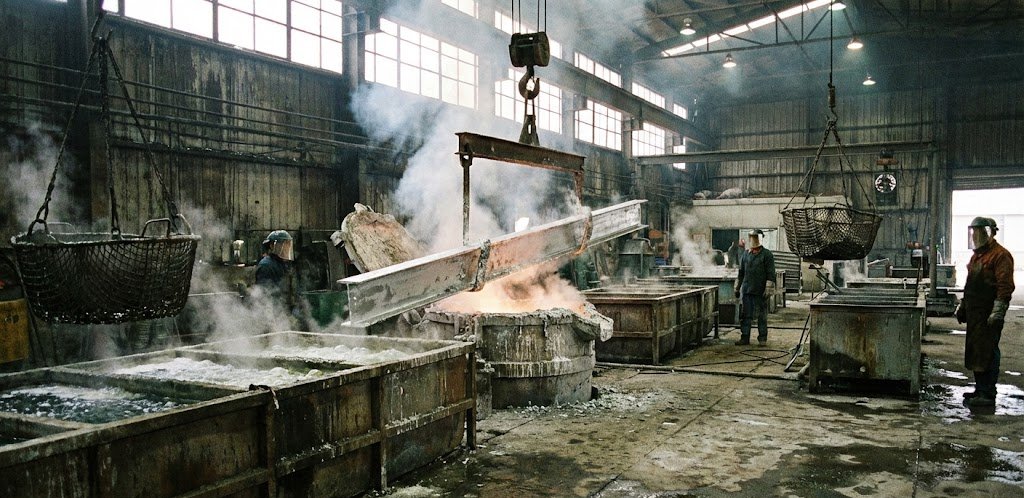
- Performed by immersing the metal in molten zinc.
- Provides a durable and long-lasting coating.
- Generally used for outdoor applications.
Electrogalvanizing
- Zinc coating is applied using an electric current.
- Produces a thinner and more uniform coating.
- Preferred for indoor and decorative applications.
Advantages of Industrial Galvanizing
Corrosion Resistance: Galvanized coating allows metal to remain resistant to environmental factors for extended periods.
Low Maintenance Cost: Since galvanized surfaces are resistant to rust, they do not require frequent maintenance.
Environmentally Friendly: The galvanizing process is environmentally friendly and uses recyclable materials.
Economical: It is more cost-effective than other corrosion prevention methods and provides a long service life.
Applications of Industrial Galvanizing
Construction Industry: Widely used to protect steel structures.
Automotive Industry: Prevents rusting of vehicle chassis and other metal components.
Energy Sector: Preferred for wind turbines, power transmission lines, and solar energy systems to provide durability.
Agriculture and Livestock: Used for outdoor equipment such as agricultural machinery and animal shelters.
Industrial Galvanizing Process
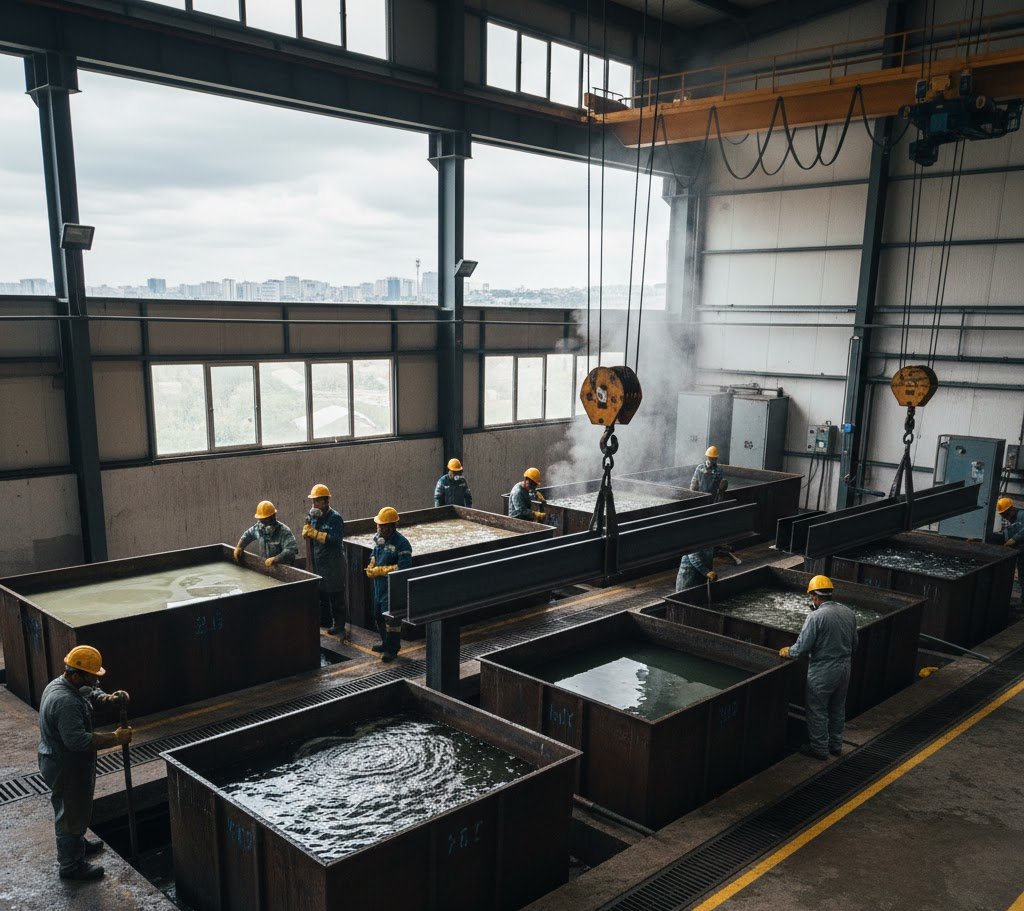
The industrial galvanizing process aims to increase the corrosion resistance of metals by coating them with zinc. This process takes place in several stages:
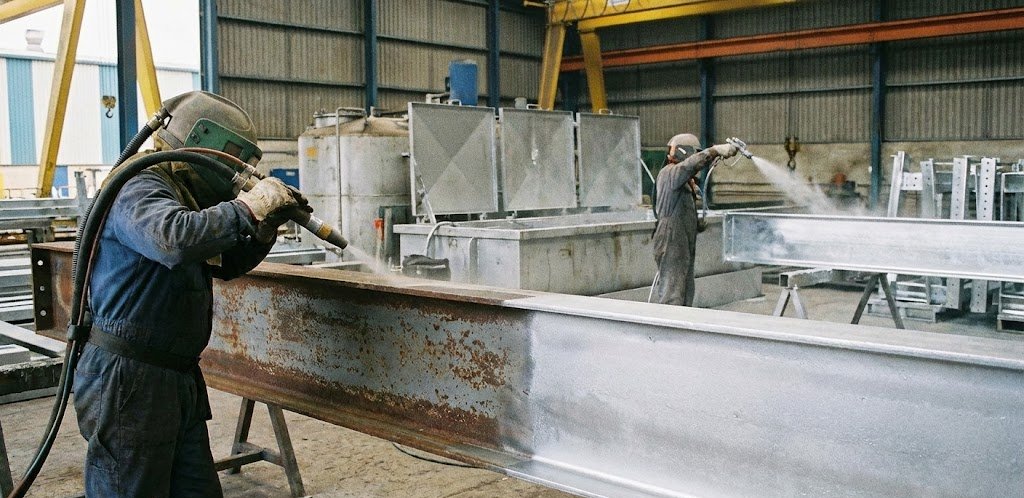
1. Surface Preparation
Before starting the galvanizing process, it is important to clean the metal surface. Removing dirt, oil, rust, and other foreign substances from the metal makes the coating more effective. Methods such as chemical cleaning and sandblasting are used at this stage.
2. Galvanizing Process
Hot-Dip Galvanizing: The metal is immersed in a bath of molten zinc, and the entire surface is coated with zinc. This process ensures that all sides of the metal are coated evenly.
Electrogalvanizing: Zinc is applied to the metal surface using an electric current. It creates a thinner layer and is generally preferred for lighter applications.
3. Cooling and Final Layer
After the galvanizing process is completed, the metal surface is cooled. At this stage, the zinc layer hardens, and the metal achieves maximum resistance to corrosion.
Industrial Galvanizing Prices
Galvanizing prices vary depending on the type of coating and the dimensions and thickness of the metal to be coated. Hot-dip galvanizing is generally more expensive than electrogalvanizing because it uses more zinc.
Factors Affecting Price
Metal Dimensions: The length and thickness of the metal to be coated determine the amount of zinc used.
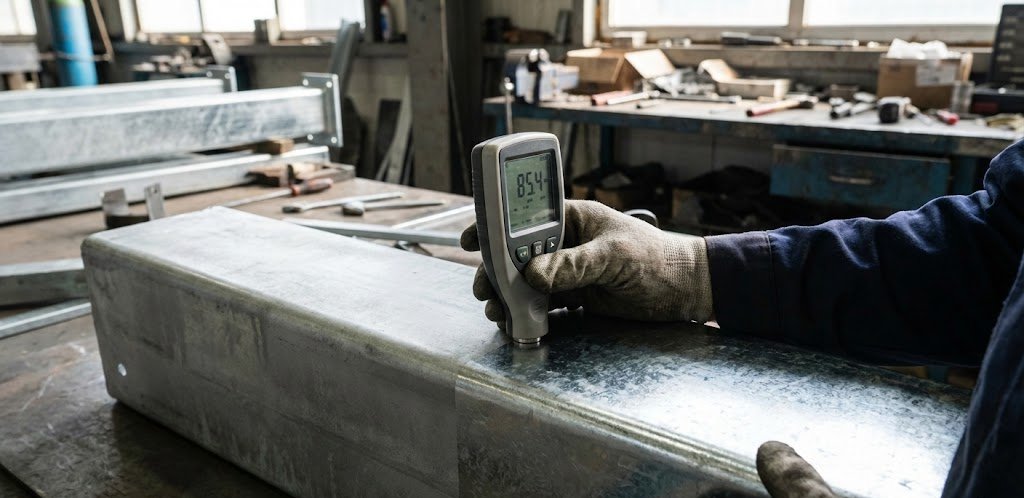
Coating Thickness: A thicker zinc layer means a higher cost but provides a longer service life.
Application Area: Prices vary by industry because construction, automotive, and energy applications have different requirements.
Maintenance of Galvanized Coatings
Although galvanized coatings are long-lasting, they may occasionally require maintenance. Galvanized surfaces used outdoors may be exposed to wear due to environmental factors. In such cases, cleaning the surface and renewing it with zinc spray when necessary is important.
Maintenance Tips
Regular Cleaning: Periodically cleaning galvanized surfaces extends the service life of the coating.
Using Zinc Spray: Simple repairs can be made with zinc spray in areas that have worn over time.
Avoiding Chemicals: Acids and abrasive chemicals can damage galvanized surfaces and should be avoided.
Galvanizing and Environmentally Friendly Features
Industrial galvanizing provides an environmentally friendly solution. Its use of recyclable materials, long service life, and low maintenance requirements help minimize its negative environmental impact.
Recycling: The zinc and steel used are fully recyclable materials.
Long Service Life: Since the coating extends the service life of the metal, frequent replacement is not required, helping conserve resources.
Low Carbon Footprint: The durability of galvanized coatings means that structures require less repair and maintenance, which reduces their carbon footprint.
The Future of Industrial Galvanizing
As technology advances, improvements are also being made in galvanizing processes. New methods make faster and more efficient coating processes possible while also helping minimize environmental impacts.
Nanotechnology: In the future, the use of nanotechnology in zinc coatings is expected to enable thinner yet more durable coatings.
Automation: Increased automation in galvanizing facilities will contribute to faster production processes and lower error rates.