How Is Metal Coating Applied?
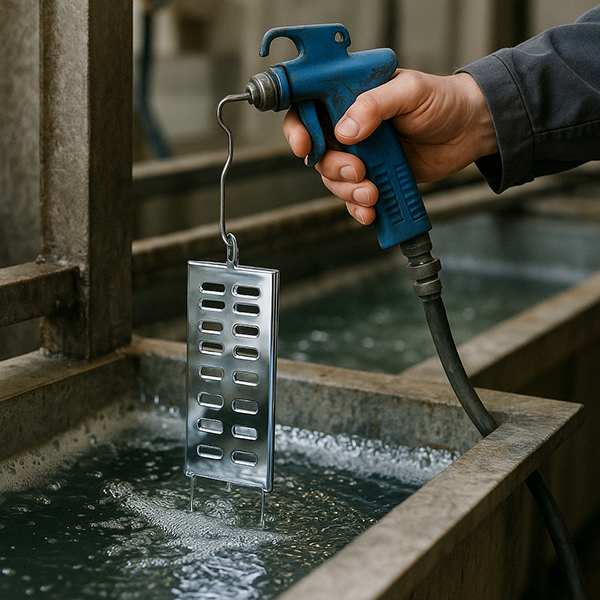
Metal coating is a process in which another metal or a protective layer is applied to a metal surface to improve its physical and chemical properties. Through this method, metals become more resistant to rust, gain an aesthetic appearance, and are protected against wear.
This process is widely used in industry and plays a critical role in many sectors, including automotive, electronics, construction, jewelry, and aerospace.
Purpose of Metal Coating
The main purposes of metal coating include:
Protection against corrosion: The coating reduces contact between the metal surface and moisture, oxygen, and chemicals.
Improving wear resistance: Hard coatings help extend the service life of the surface.
Increasing or reducing electrical conductivity: Preferred for achieving precise conductivity levels in electronic components.
Providing an aesthetic appearance: Creates a bright, smooth, and decorative surface.
Providing heat resistance: Special coatings are used for components exposed to high temperatures.
Types of Metal Coating
Metal coating processes are divided into different types according to the method and coating material used. The most common coating types are as follows:
Electroplating
Electroplating is the process of applying one metal onto the surface of another metal using an electric current in an electrolyte solution. Metals such as nickel, chromium, and zinc are commonly used. Two different metals act as the anode and cathode. Through the electric current, the coating metal is transferred to the other surface.
Chemical Coating
In this method, coating is carried out through chemical reactions without using electricity. It is particularly preferred for components with complex geometries. Nickel-phosphorus coating is an example of this method.
Thermal Spray Coating
The thermal spray method is based on heating the coating material and spraying it onto the surface. Ceramic, metal, and alloy powders can be applied using this technique. It is ideal for providing resistance to wear and high temperatures.
Dip Coating
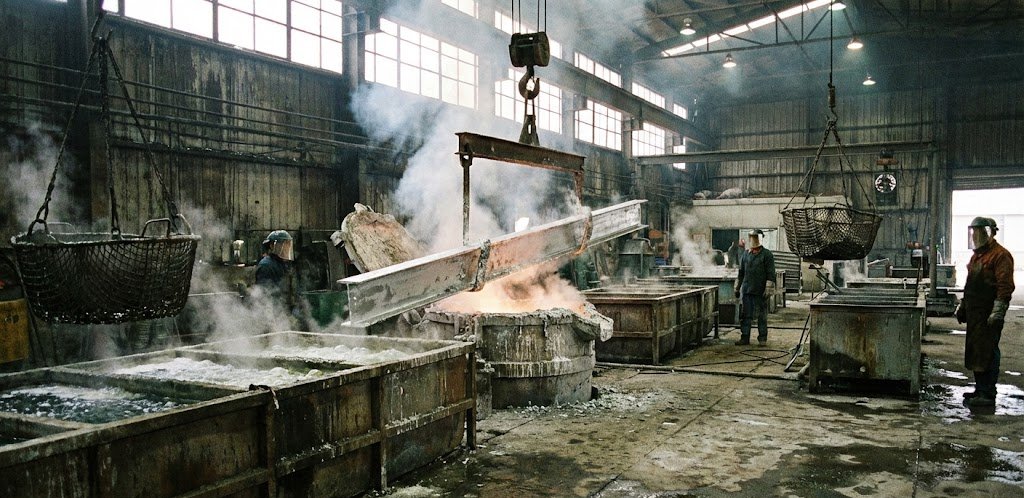
Dip coating is frequently used particularly for zinc-based galvanized coatings. The metal component is immersed in a bath of molten metal, allowing the entire surface to be coated. It is preferred to provide protection against rust.
Powder Coating
Powder coating is a type of coating that is electrostatically applied to the metal surface and cured at high temperatures. It is an aesthetic and environmentally friendly coating method. It is widely used in the automotive and home appliance industries.
How Does the Metal Coating Process Work?
The metal coating process consists of several basic stages. Each stage directly affects coating quality. The general coating process is as follows:
Surface Preparation
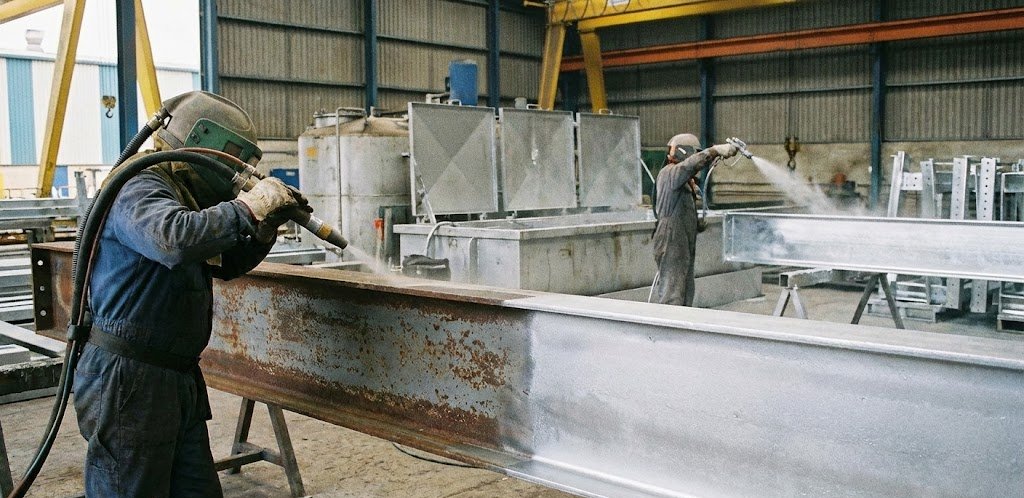
Before coating, it is extremely important for the surface to be clean and properly prepared. At this stage, oil, dirt, rust, and oxide layers are removed from the surface. Cleaning is generally carried out using mechanical and chemical methods:
Mechanical cleaning: The surface is prepared through processes such as sanding, sandblasting, and brushing.
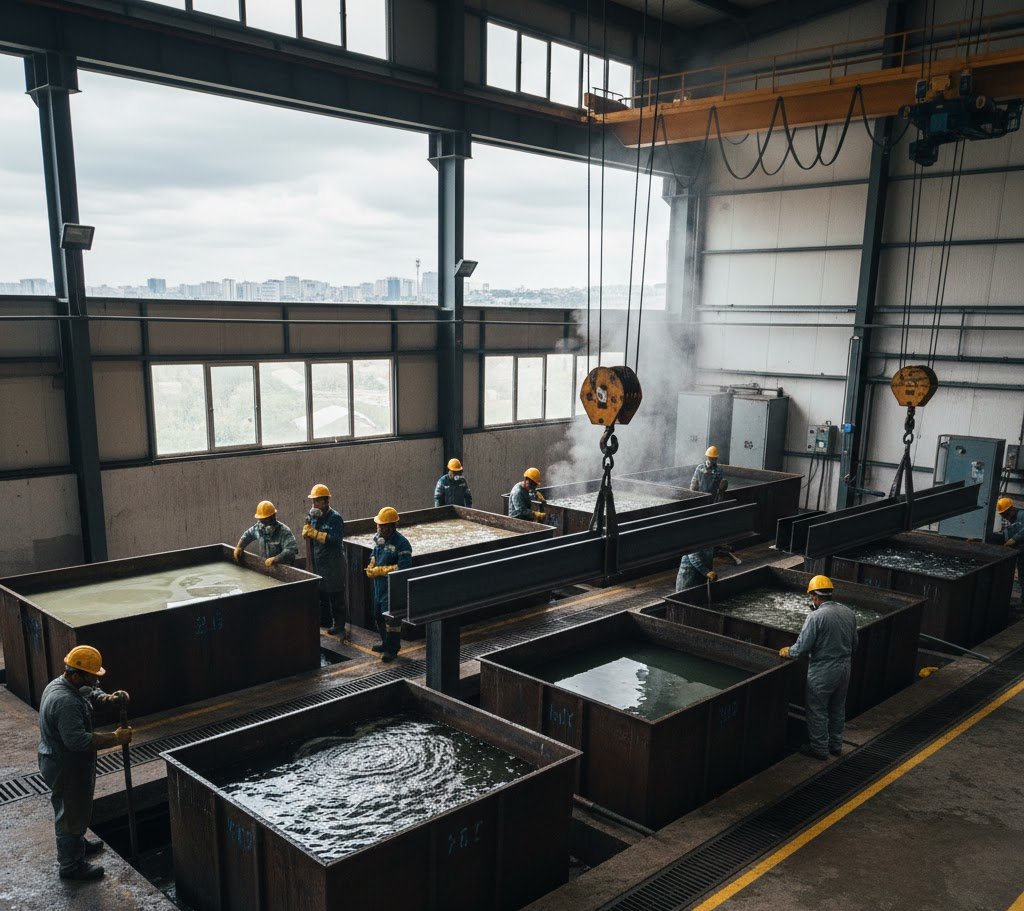
Chemical cleaning: Contaminants on the surface are dissolved using acidic or alkaline baths.
Coating Process
Once the surface has been prepared, the selected coating method is applied. If electroplating is used, the component is placed in a suitable electrolyte solution and an electric current is applied. If the dip coating method is used, the component is immersed in molten metal. During this stage, parameters such as temperature, processing time, solution concentration, and pH are carefully controlled.
Rinsing and Drying
After the coating process is completed, the component is rinsed with purified water to remove residual chemicals. It is then dried using hot air.
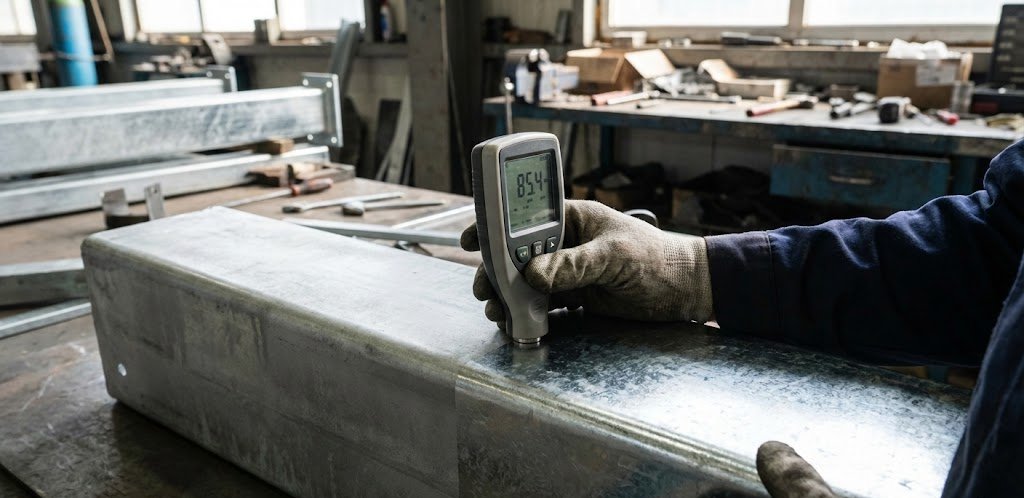
Inspection and Testing
Coating thickness, adhesion quality, and surface uniformity are tested using various methods. Quality control can be carried out using microscopes, ultrasonic instruments, or X-ray equipment.
Applications of Metal Coating
Metal coating is critically important across many industries. The most common applications include:
Automotive Industry: Used for components such as engine parts, wheels, and exhaust systems.
Electronics Industry: Applied to circuit boards, contact surfaces, and connectors.
Furniture and Decoration: Coated metal legs, handles, and frames provide aesthetic value.
Jewelry: Gold and silver coatings are widely preferred in jewelry manufacturing.
Construction Industry: Galvanized coating is applied to extend the service life of steel structural components.
Factors Affecting Coating Quality
Several factors should be carefully controlled to achieve a high-quality coating:
Surface cleanliness: Initial cleaning is extremely important to ensure that the coating adheres uniformly to the surface.
Coating time: Coating processes that are too short or too long may create uneven layers.
Chemical balance of the solution: The solution used in electroplating should be continuously monitored.
Temperature and current density: These values should remain stable, particularly during electroplating.
Drying process: Rapid or insufficient drying may cause cracking or peeling of the coating.
Important Considerations in Metal Coating
The following points should be considered during the coating process:
Occupational safety precautions should be taken: Protective equipment should be used when working with chemical solutions and electrical equipment.
Waste should be properly managed: The chemicals used may be harmful to the environment. Waste must be disposed of appropriately.
The correct coating type should be selected: The coating method and material should be determined according to the intended application.
Professional application should be preferred: Coating is a precise and technical process and should be carried out by trained personnel.
Metal coating is widely used across many industries as a surface treatment that provides both aesthetic and functional benefits. Depending on the coating type and application method, the process extends the service life of metal surfaces, increases durability, and adds visual value. Proper surface preparation, selection of the correct method, and adherence to the required process are essential for achieving a successful coating.