How Is Galvanizing Done?
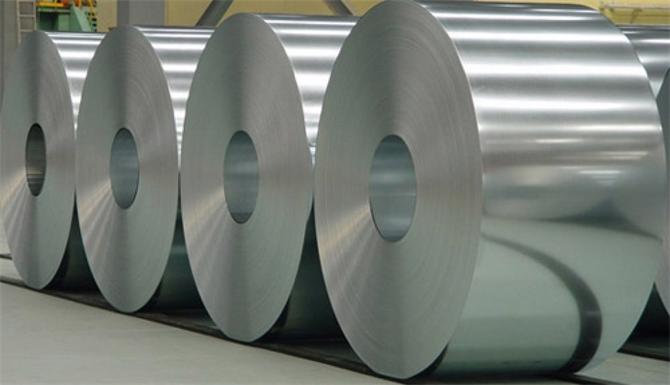
Galvanizing makes metals resistant to rust and corrosion by applying a zinc coating to their surfaces. This process is particularly used for iron and steel materials and is widely preferred in the construction, automotive, energy, and marine industries. Here are all the details about the galvanizing process:
What Is Galvanizing?
Galvanizing is a process that protects metals against corrosion by coating them with a layer of zinc. Zinc is resistant to oxidation and extends the service life of the metal.
Applications:
- Construction industry (steel profiles, pipes)
- Automotive industry (chassis components, sheet metal)
- Energy and infrastructure (poles, pipes)
- Marine industry (ships, platforms)
Types of Galvanizing
The galvanizing process can be carried out using different methods. The most common methods include:
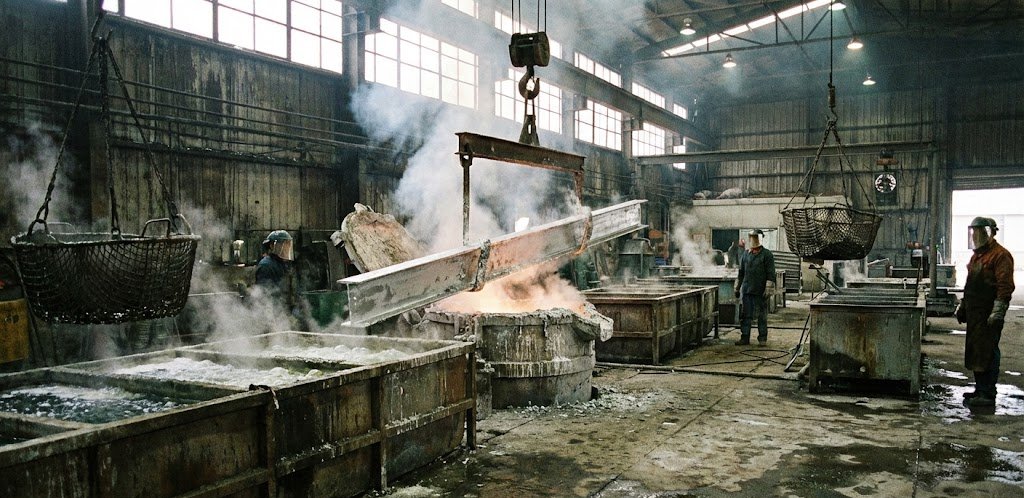
- Hot-Dip Galvanizing: The metal is immersed in a bath of molten zinc. It is the most common and durable method.
- Electrogalvanizing: Zinc is applied to the metal surface using an electric current. It provides a thin and smooth surface.
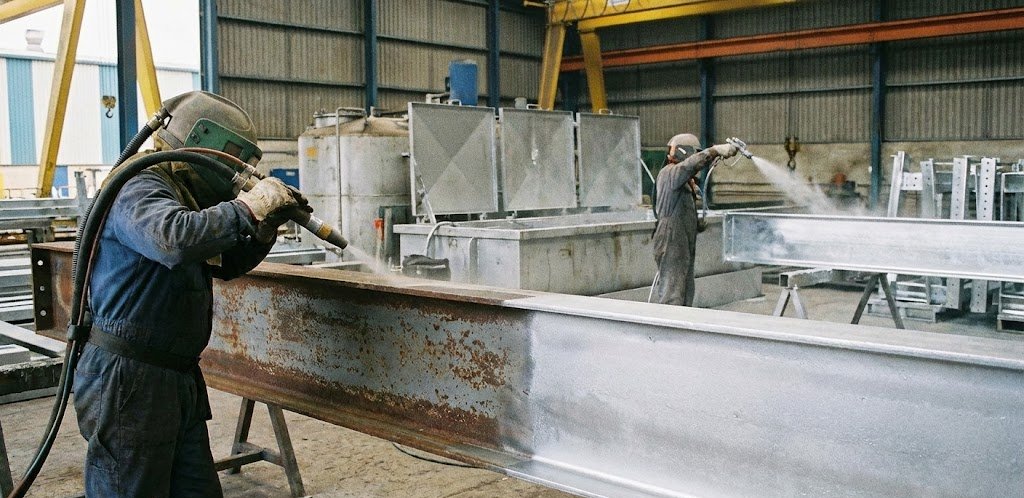
- Thermal Spray Galvanizing: Zinc is applied to the metal surface using a spraying method.
Galvanizing Process Steps
a) Surface Preparation
It is important to clean the metal surface before galvanizing.
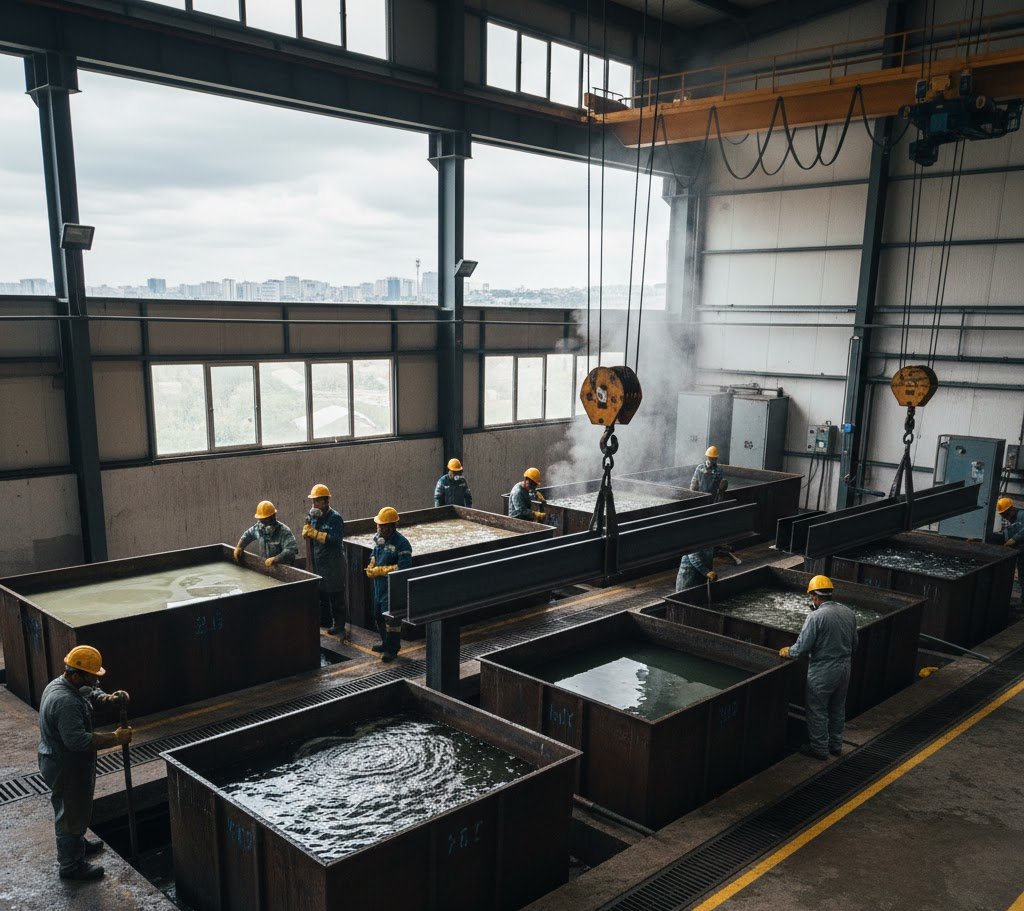
- Degreasing: Oil and dirt are removed from the metal surface.
- Acid Cleaning: The oxide layer on the surface is removed using acidic solutions.
- Flux Bath: The metal is immersed in a flux bath to ensure proper coating adhesion.
b) Galvanizing Process
- Hot-Dip Galvanizing: The metal is immersed in a bath of molten zinc for a specified period.
- Cooling: The coated metal is cooled with water or air.
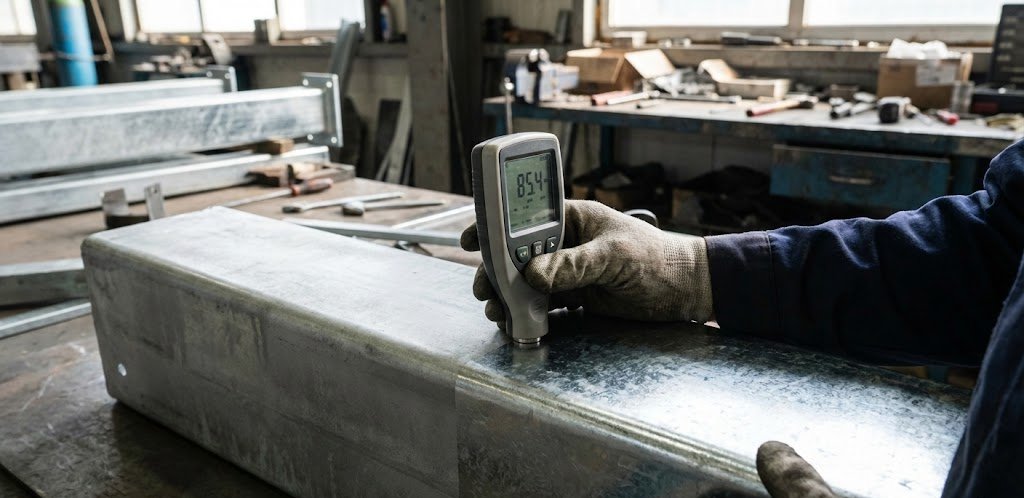
- Inspection and Testing: The coating thickness and quality are measured and inspected.
Advantages of Galvanizing
- Corrosion Resistance: Zinc protects the metal surface against oxidation.
- Cost-Effective Solution: Extends the service life of the metal, providing cost savings.
- Aesthetic Appearance: Provides a smooth and bright surface.
- Easy Maintenance: The coated metal does not require maintenance for an extended period.
Where Is Galvanizing Used?
Galvanizing is particularly suitable for structures that need to withstand outdoor conditions:
- Steel structures
- Pipe and profile systems
- Power transmission lines
- Garden and agricultural equipment
Maintenance and Inspection of Galvanized Coatings
Galvanized products should be inspected over time. The coating should be regularly checked for cracks or peeling. If necessary, the surface can be renewed using a repair spray.
Points to Consider in Galvanizing
Several critical factors should be considered to ensure successful galvanizing:
- Surface Cleanliness: Coating quality may be poor on dirty or oxidized surfaces.
- Bath Temperature: In hot-dip galvanizing, the temperature of the molten zinc bath should be approximately 450°C.
- Coating Thickness: The thickness of the applied zinc layer should be adjusted according to the intended application. Thicker coatings are preferred for outdoor products.
- Testing and Certification: Tests for coating thickness and corrosion resistance should be carried out in accordance with international standards.
Frequently Asked Questions About Galvanizing
How durable is galvanized coating?
Galvanized coating can provide durability for up to 50 years, depending on environmental factors. It is particularly long-lasting in outdoor applications.
Which is more durable: hot-dip galvanizing or electrogalvanizing?
Hot-dip galvanizing is more resistant to outdoor conditions because it provides a thicker coating. Electrogalvanizing is preferred for indoor applications because of its thin and smooth surface.
Does galvanized coating rust?
The coating itself does not rust directly, but the zinc layer becomes thinner over time. Regular inspection and maintenance can help prevent rusting.
Is galvanizing expensive?
The cost of galvanizing varies depending on the size of the material to be coated and the coating thickness. However, its long service life reduces maintenance and replacement costs.
Galvanizing Standards
Galvanizing processes should be carried out in accordance with international standards such as ISO 1461 and ASTM A123. These standards define coating thickness, adhesion strength, and corrosion resistance.
Galvanizing Prices
Galvanizing prices vary depending on the following factors:
- Size of the Metal to Be Coated: Larger surfaces may have higher costs.
- Coating Type: Hot-dip galvanizing may be more expensive than electroplating.
- Coating Thickness: Thicker coatings require more zinc and increase the cost.
- Labor and Transportation: The distance to the galvanizing facility and labor costs affect the price.
Recommendation for Galvanizing Prices
When purchasing galvanizing services, choosing experienced companies that operate in accordance with applicable standards can provide long-term cost advantages. When requesting a quotation, detailed information about coating thickness and applicable standards should be obtained.
Galvanizing provides long-lasting use by protecting metal surfaces against corrosion. Hot-dip and electrogalvanizing methods can be selected according to the intended application. With proper application and regular maintenance, galvanizing provides cost advantages while offering durable and aesthetically appealing products.