Hot-Dip Galvanizing

Hot-dip galvanizing involves immersing metal in a bath of molten zinc. This process seals the pores of the metal and protects it against corrosion. It also significantly increases its service life; you can expect your equipment to last at least twice as long as it would without galvanizing. Galvanizing is the process of applying a protective zinc coating to steel or iron to prevent rusting.
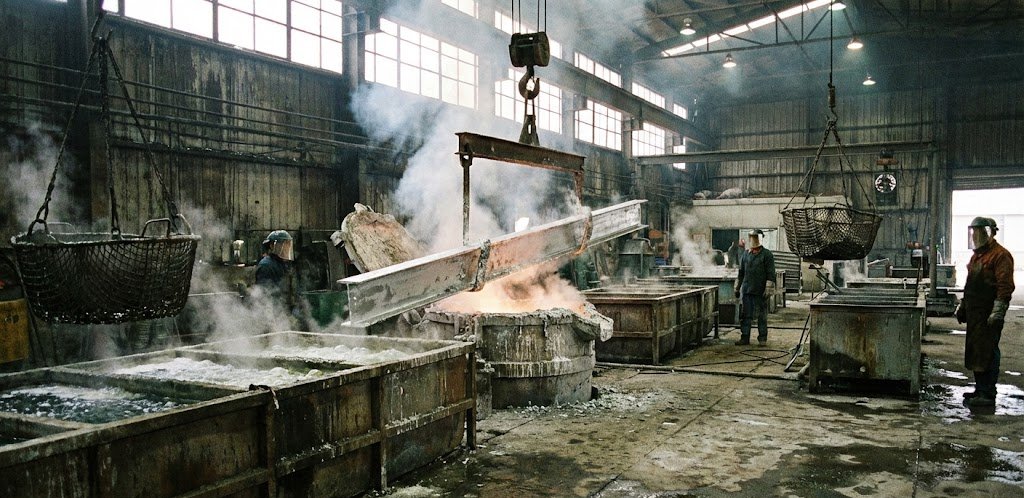
Hot-dip galvanizing is a method of corrosion protection for steel. In this process, steel is passed through a bath of molten zinc at a temperature of approximately 530°C. The zinc adheres to the surface of the steel, forming a zinc metal coating. This coating provides excellent resistance to corrosion caused by most chemicals. This type of process requires a highly meticulous approach.
Hot-dip galvanizing is the process of protecting steel by immersing it in molten zinc. The zinc creates an external barrier that protects the steel against corrosion. The process can be applied to any ferrous metal, including iron, carbon steels, and low-alloy steels. Hot-dip galvanizing has been used for centuries. However, in recent years, it has been applied using much more advanced methods.
Hot-Dip Galvanizing Process
The hot-dip galvanizing process is a method of applying a protective zinc coating to steel or iron. It is widely used as a corrosion-resistant steel surface to support and protect other metal components. The process involves immersing the item to be coated in a bath of molten zinc, which cools and solidifies when it comes into contact with the base metal.
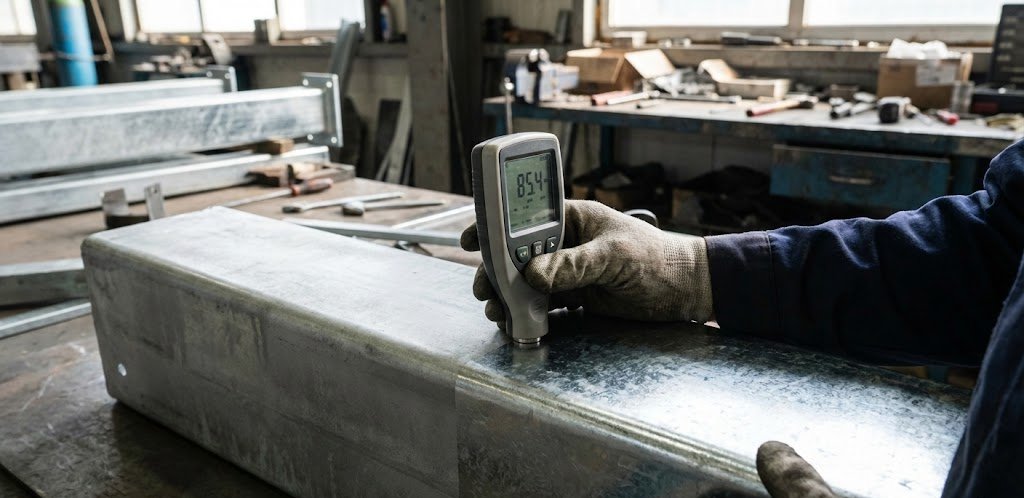
Hot-dip galvanizing protects metal against corrosion by creating a zinc coating that acts as a sacrificial anode, corroding before the underlying material. As long as the coating remains intact, it protects the metal underneath from further corrosion. The thickness of this layer varies between 15 and 30 micrometers depending on the application. This thick layer also makes welding or cutting more difficult after hot-dip galvanizing has been applied.
What Advantages Does Hot-Dip Galvanizing Offer?
Hot-dip galvanizing is a process in which metals are coated with a layer of zinc by passing them through a high-temperature bath of molten zinc. The process is also known as “galvanizing.” The resulting coating provides corrosion protection for the underlying metal.
Hot-dip galvanizing is used to provide corrosion protection for steel products such as steel bars and structural steel sections, reinforced concrete structures, pressure vessels, ships, and offshore structures. The main advantages of hot-dip galvanizing compared with other types of coatings include:
- Fast application
- Low cost
- High mechanical properties
The use of zinc in hot-dip galvanizing dates back at least to ancient Egypt and Rome. However, the process was refined and became widely used after the mid-1800s. Today, hot-dip galvanizing accounts for more than 90% of all galvanized products manufactured worldwide. At this stage, conducting detailed research when choosing a coating method is always recommended.
Features of the Hot-Dip Galvanizing Process
Hot-dip galvanizing is a process of electroplating with zinc. Zinc is used because it adheres well to steel and protects it against corrosion. Hot-dip galvanizing is typically performed on pre-treated or fabricated steel components.
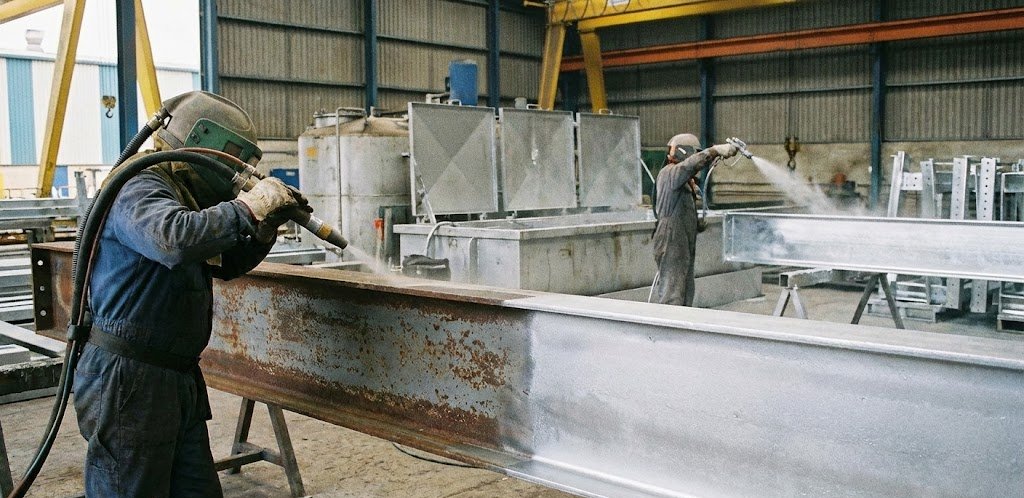
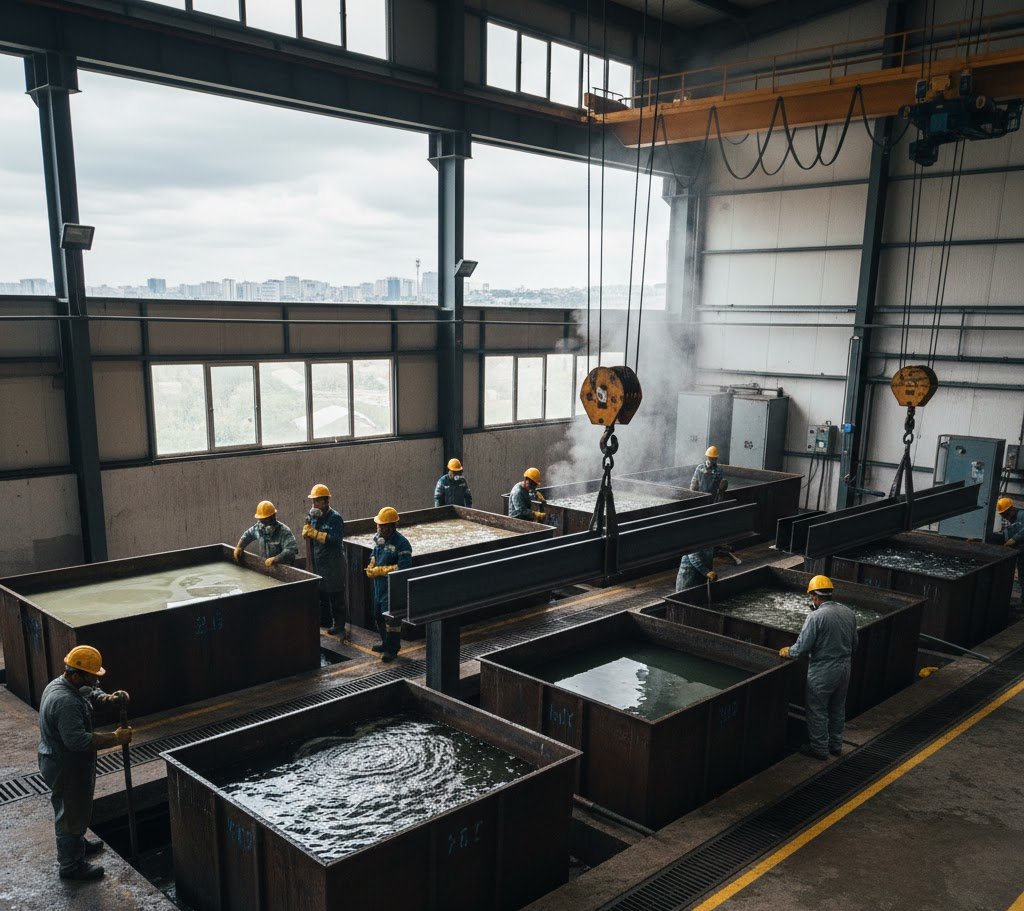
For hot-dip galvanizing, the part is first cleaned and then immersed in a bath of molten zinc. The part is then removed from the bath and allowed to cool before being inspected for defects or damage. If there are no defects or damage, the part is immersed in the bath again until a sufficient zinc coating is achieved.
Hot-dip galvanizing is used for various applications, including fences, construction materials, and even structural steel beams. It is also widely used on ships due to its ability to withstand harsh marine environments. The high level of protection provided by galvanized coatings makes it possible to implement these types of applications effectively.