Galvanized Sheet Plate
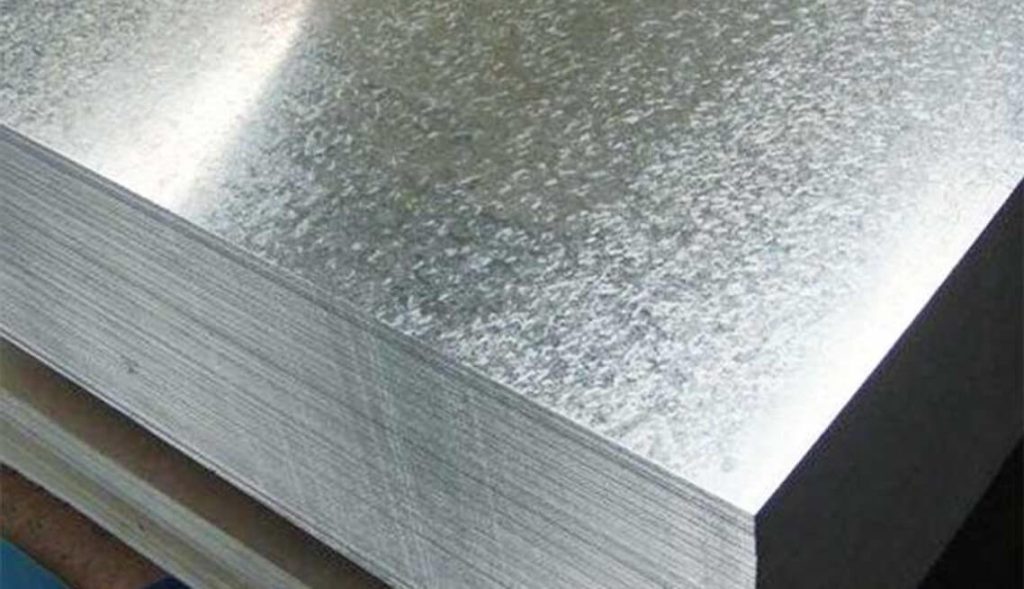
Galvanized sheet plates are sheet metal plates coated with zinc to prevent rusting. The galvanizing process increases the durability of the sheet plate, providing protection particularly against outdoor conditions. Its high strength and corrosion resistance make galvanized sheet plate widely used in the construction, automotive, furniture, and home appliance industries.
Applications of Galvanized Sheet Plate
Construction Industry: Used in roofs, wall panels, and steel structures.
Automotive Industry: Widely preferred for vehicle body panels and chassis components.
Furniture Manufacturing: Used to increase durability in industrial-design furniture.
Home Appliance Manufacturing: Provides long-term corrosion protection for the exterior surfaces of products such as refrigerators and washing machines.
Advantages of Galvanized Sheet Plate
Long-Lasting: The zinc coating delays rusting of the sheet plate.
Durable: Provides high resistance to external factors.
Economical: Offers an economical solution through long-term use and low maintenance costs.
Environmentally Friendly: Its recyclable structure helps reduce environmental impact.
Galvanized Sheet Plate Prices
Galvanized sheet plate prices vary depending on the thickness, dimensions, and amount of zinc coating. In major cities such as Ankara, galvanized sheet plates are available across a wide price range and can be sourced from quality manufacturers.
What Should Be Considered When Purchasing Galvanized Sheet Plate?
Quality Certifications: Check whether the product you intend to purchase complies with relevant quality standards.
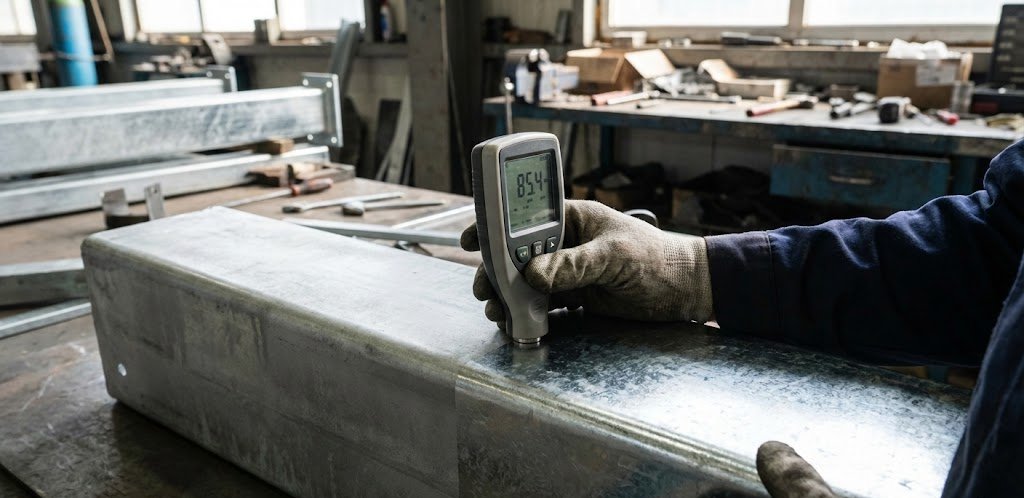
Coating Thickness: The thickness of the zinc coating directly affects the plate’s resistance to rust.
Application Area: The correct plate thickness and dimensions should be selected according to the requirements of the intended application.
Galvanized Sheet Plate Manufacturing Process
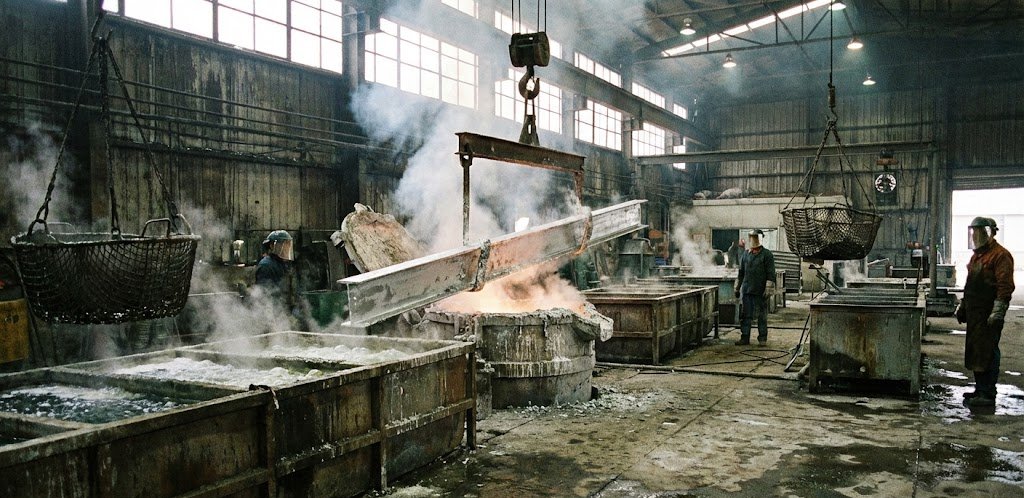
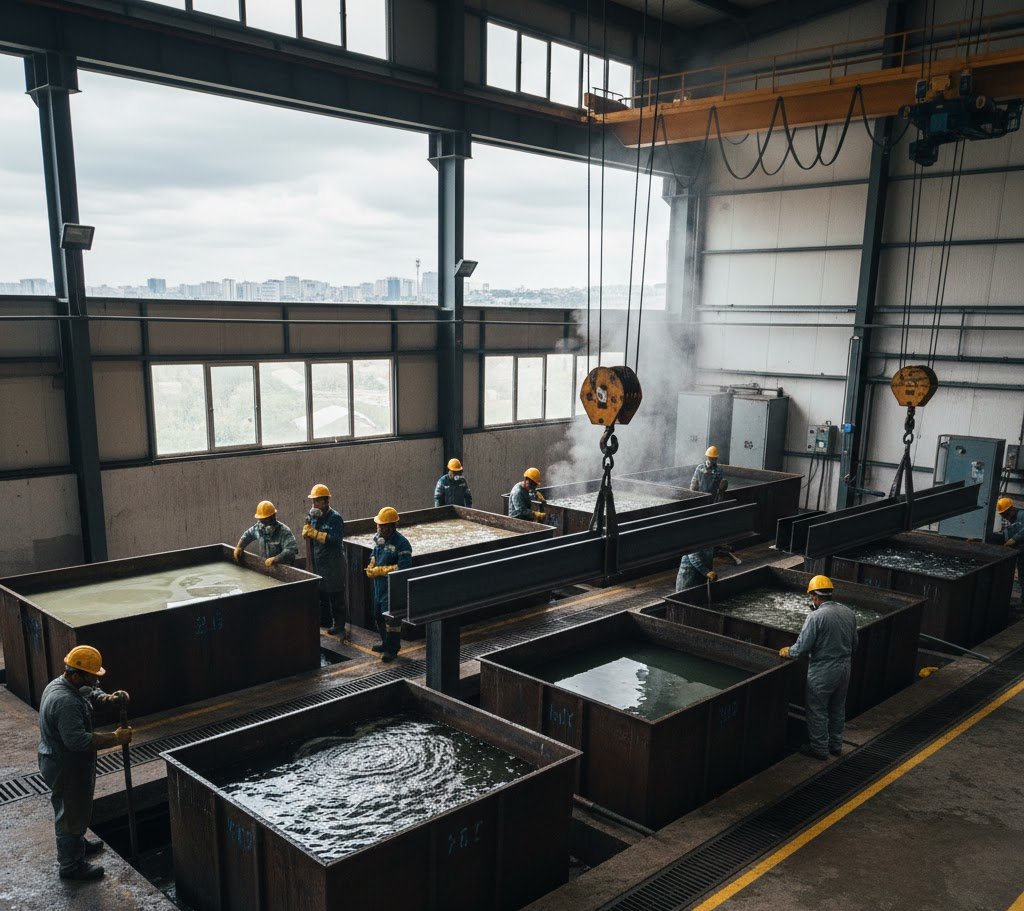
The manufacturing process of galvanized sheet plate is carried out by immersing high-quality steel sheets in a zinc bath. This process is known as hot-dip galvanizing and allows the steel surface to be coated with zinc. The production stages are as follows:
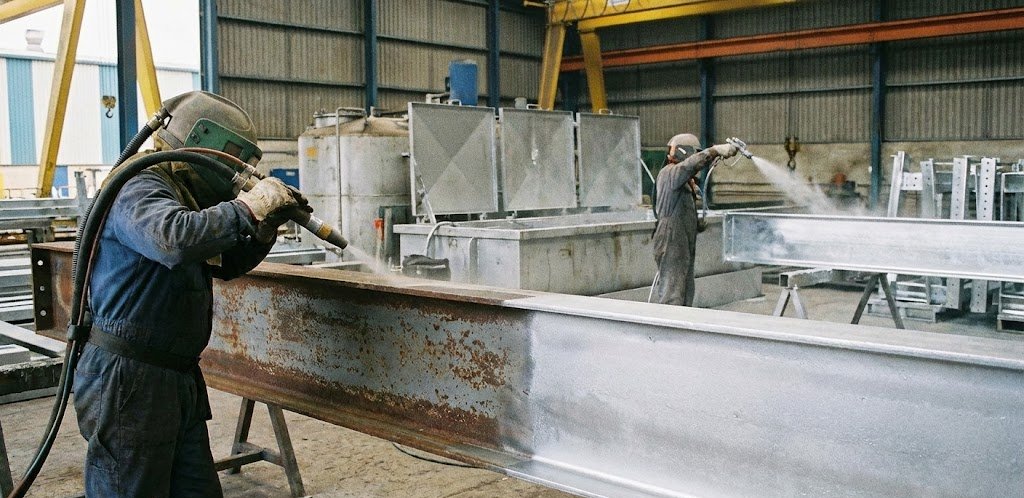
Preparation and Cleaning: Before galvanizing, the surface of the steel sheet is cleaned of oil, dirt, and other foreign substances.
Hot-Dip Galvanizing: The cleaned steel sheets are immersed in molten zinc. During this process, the zinc forms a chemical bond with the steel, creating a protective layer.
Cooling and Inspection: The zinc-coated sheet plate is cooled and then undergoes quality control.
Technical Specifications of Galvanized Sheet Plate
Thickness: Generally ranges from 0.30 mm to 3.00 mm.
Width: Standard widths are 1000 mm, 1250 mm, and 1500 mm.
Coating Weight: The amount of zinc coating used in the galvanizing process may vary depending on the application and generally ranges from 100 to 600 g/m².
Corrosion Resistance: The zinc coating prevents rusting and extends the service life of the material.
What Are the Advantages of Galvanized Sheet Plate?
Galvanized sheet plate offers significant advantages across various industries due to its durability and long service life. Some of these advantages include:
Rust and Corrosion Resistance: Thanks to the zinc coating, galvanized sheet plates can withstand outdoor conditions for extended periods.
Low Maintenance Costs: Due to its durable structure, galvanized sheet plate does not require additional maintenance for many years, providing a cost advantage for businesses.
Easy Application: Galvanized sheet plate can be easily formed and installed. This increases work efficiency, particularly in the construction industry.
Environmentally Friendly Production: As a recyclable material, galvanized sheet plate also plays an important role in environmental protection.
Types of Galvanized Sheet Plate
Flat Galvanized Sheet Plate: Standard galvanized sheet plates widely preferred in the construction and automotive industries.
Slit Galvanized Sheet Plate: Sheet plates cut to specific dimensions for use in custom projects.
Galvanized Sheet Coil: Sheet metal supplied in coil form and used in large-scale production.
What Should Be Considered When Using Galvanized Sheet Plate?
Coating Thickness: The thickness of the zinc coating directly affects corrosion resistance. Select the appropriate coating thickness according to the climatic conditions of the region where your project is located.
Storage Conditions: When galvanized sheet plates are left outdoors for extended periods, deterioration of the zinc coating may occur. Therefore, appropriate storage conditions should be provided.
Cutting and Installation Techniques: Care should be taken not to damage the zinc coating when cutting galvanized sheet plate. Protective coating materials can also be used during installation.
Frequently Asked Questions About Galvanized Sheet Plate
1. Does Galvanized Sheet Plate Rust?
Galvanized sheet plates are resistant to rust thanks to their zinc coating. However, if the coating is damaged or worn away, rust may occur over the long term.
2. How Long Does Galvanized Sheet Plate Last?
The service life of galvanized sheet plates may vary between 20 and 50 years depending on operating conditions and coating thickness.
3. How Is Galvanized Sheet Plate Cleaned?
Galvanized sheet plates should be cleaned with a soft cloth and mild detergents. Abrasive materials should not be used because they may damage the zinc coating.
Galvanized sheet plate is an essential material in many industries thanks to its corrosion resistance, durability, and long service life. Widely used particularly in industries such as construction and automotive, this material can provide many years of service under proper usage and maintenance conditions.