Galvanized Highway Guardrails
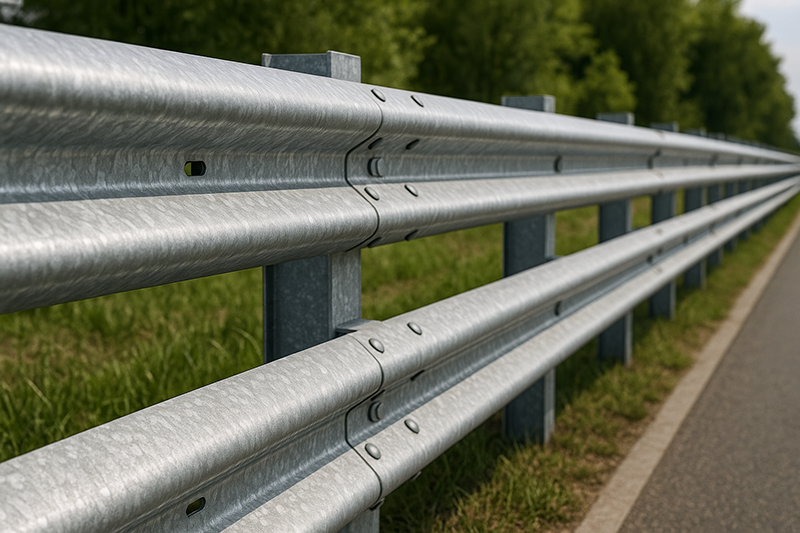
Galvanized highway guardrails are structural safety components used as part of road restraint systems. These systems are designed to help manage vehicle departures from the roadway and reduce the severity of certain collisions when properly designed, tested, installed, and maintained. Zinc coating helps protect steel guardrail components against corrosion and environmental exposure, extending their service life.
What Is Galvanizing and Why Is It Used?
Galvanizing is the process of applying a zinc coating to iron or steel surfaces. The primary purpose of this coating is to protect the underlying metal against rust and corrosion.
For steel products used outdoors, galvanizing can provide several advantages:
- Long-term corrosion protection
- Reduced maintenance requirements
- Durable metallic surface
- Protection of edges and exposed surfaces
- Lower lifecycle maintenance costs
- Recyclability of steel and zinc
The required galvanizing specification should be selected according to the product type, environmental conditions, applicable standard, and expected service life.
Why Are Highway Guardrails Galvanized?
Highway guardrails remain outdoors throughout their service life and are exposed to rain, snow, moisture, road contaminants, temperature changes, and, in some regions, de-icing salts.
Galvanizing helps protect steel components against corrosion caused by these conditions. This is important because corrosion can gradually reduce the thickness and integrity of steel components.
However, the zinc coating itself does not determine the crash performance of a guardrail.
The safety performance of a road restraint system depends on factors including:
- Tested system design
- Steel grade and dimensions
- Rail profile
- Post spacing
- Connection details
- Fasteners
- Terminal systems
- Installation
- Ground conditions
- Maintenance and replacement after impact
→ Galvanizing protects the steel; the tested barrier system provides the safety performance.
Applications of Galvanized Road Barriers
Galvanized steel road restraint and barrier components may be used in applications such as:
- Motorways and highways
- Bridge approaches
- Roadside sections
- Median barriers
- Tunnel approach areas
- Traffic separation zones
- Industrial access roads
- Parking and traffic management areas
The appropriate barrier system should always be selected according to the applicable road safety requirements and project specification.
Galvanizing Methods and Quality Requirements
For fabricated highway barrier components, the required zinc coating method depends on the product specification and manufacturing process.
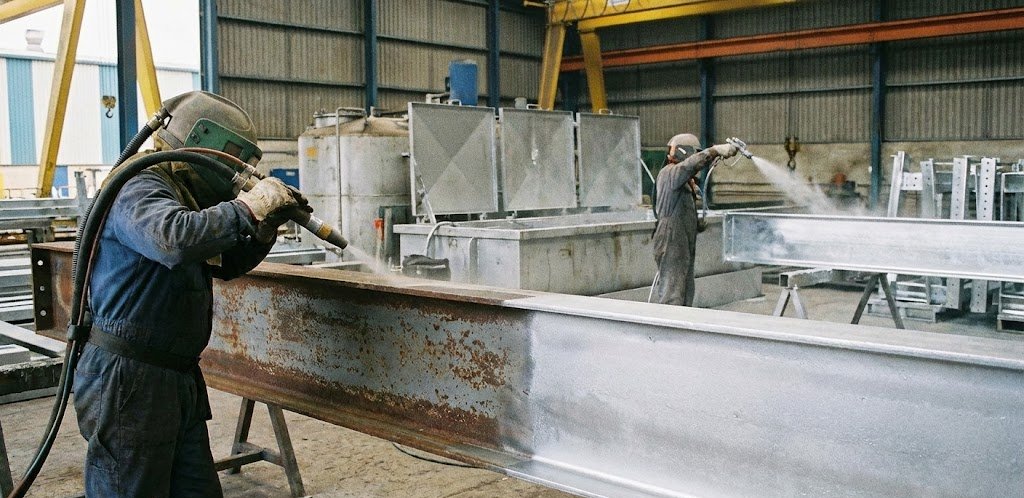
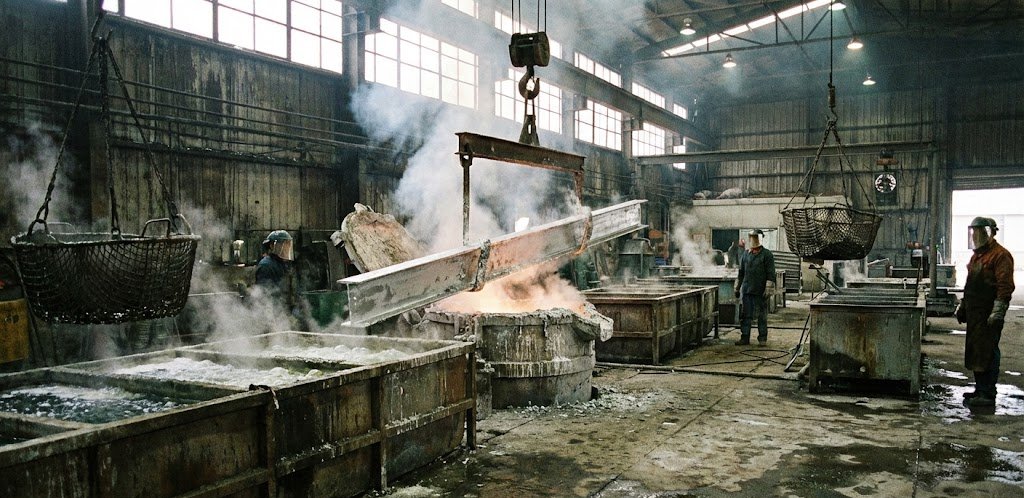
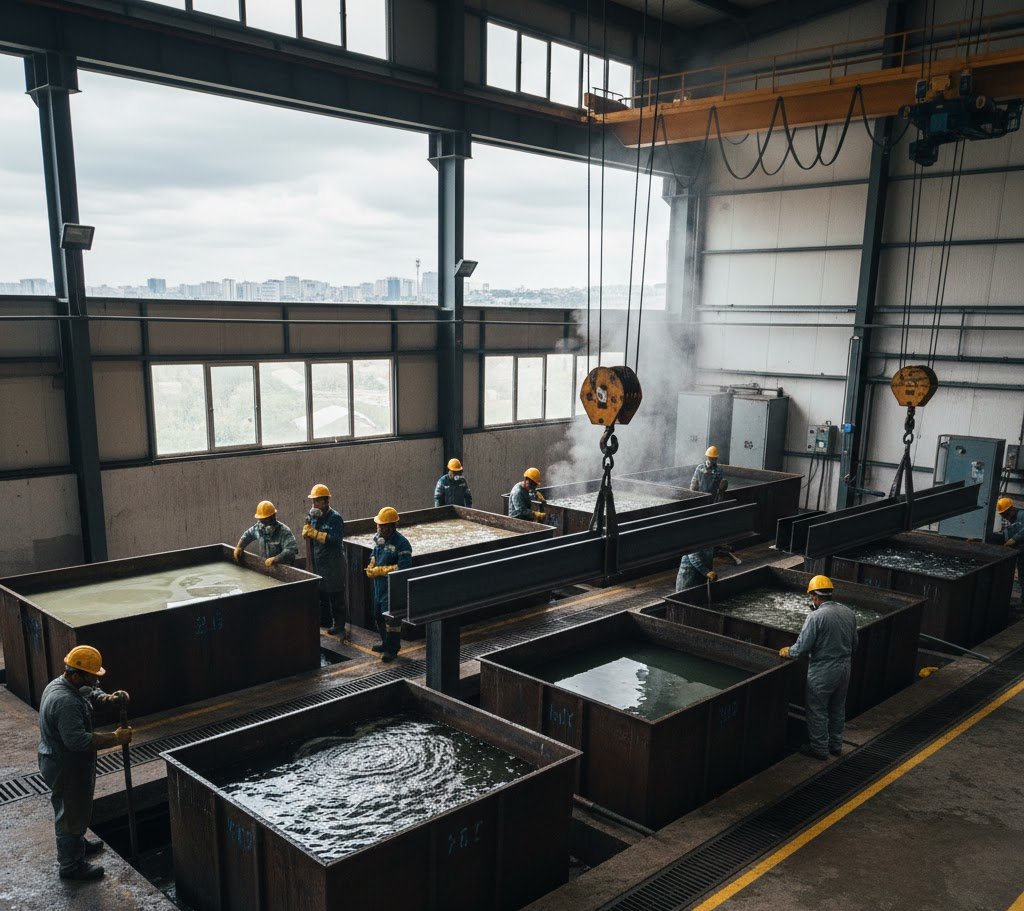
Hot-dip galvanizing is commonly used for fabricated steel components requiring robust outdoor corrosion protection. In this process, properly prepared steel is immersed in molten zinc, creating metallurgically bonded zinc-iron layers.
For batch hot-dip galvanized fabricated iron and steel products, EN ISO 1461 is a commonly referenced coating standard. However, road restraint systems may also be subject to separate product, performance, testing, and installation standards.
The galvanizing standard should therefore not be confused with the safety performance standard for the complete barrier system.
Project-Specific Solutions from Avrasya Galvaniz
Avrasya Galvaniz provides hot-dip galvanizing solutions for fabricated steel products used in infrastructure and industrial projects.
For road barrier and transportation infrastructure projects, technical evaluation may include:
- Component dimensions and weight
- Steel characteristics
- Surface condition
- Fabrication details
- Venting and drainage requirements where applicable
- Required coating specification
- Production quantities
- Inspection requirements
- Delivery schedule
Providing technical drawings and project specifications before production helps ensure that galvanizing requirements are properly coordinated.
What Should Be Considered for Galvanized Barrier Components?
Not all galvanized components automatically provide the same performance. Several criteria should be evaluated:
Zinc Coating Requirements
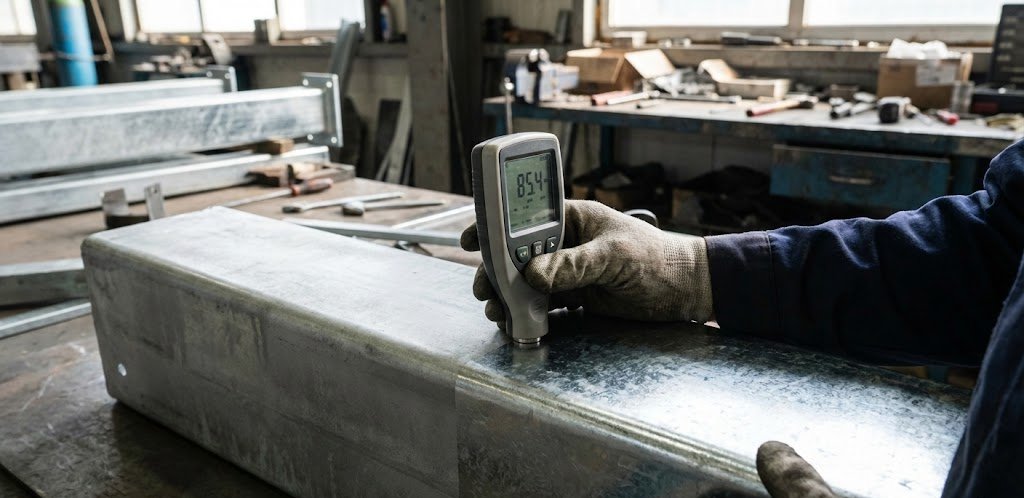
The required coating thickness should be determined according to the applicable product specification and galvanizing standard. A greater thickness is not automatically better in every situation; compliance with the specified requirement is the key criterion.
Coating Continuity
Accessible surfaces should be inspected according to the applicable galvanizing requirements. Uncoated areas, unacceptable zinc accumulations, or sharp projections may require evaluation or repair.
Product and System Compliance
A galvanized steel component must still comply with the technical requirements of the complete road restraint system. Coating quality alone does not demonstrate crash performance.
Inspection and Documentation
Depending on the project, relevant coating inspection records, material documentation, dimensional checks, and product conformity documents may be required.
Environmental Considerations and Recycling
Galvanized steel can support long-term resource efficiency because corrosion protection can extend product service life and reduce the frequency of replacement.
Steel and zinc can both be recovered through established recycling processes. Damaged road barrier components may also be replaced individually where the system design allows.
The overall environmental impact should nevertheless be evaluated across the complete lifecycle, including raw materials, production, galvanizing, transportation, maintenance, replacement, and recycling.
Maintenance and Service Life of Galvanized Guardrails
Galvanized highway guardrails generally require relatively low routine coating maintenance, but the complete safety system still requires periodic inspection.
Inspections may be necessary after:
- Vehicle impacts
- Visible deformation
- Fastener damage
- Ground movement
- Severe weather events
- Significant coating damage
- Signs of advanced corrosion
The service life of the zinc coating depends on coating thickness, environmental corrosivity, exposure to salts and pollutants, mechanical damage, and maintenance conditions. For this reason, a fixed 25- or 30-year lifespan should not be assumed for every project.
Future Development of Galvanized Road Barrier Systems
Future improvements in road restraint infrastructure are likely to focus on better corrosion protection, more efficient manufacturing, improved monitoring, optimized materials, and integration with connected road infrastructure.
Potential developments include:
- Improved coating process control
- More efficient steel and zinc use
- Automated inspection technologies
- Condition-monitoring sensors
- More efficient manufacturing and installation methods
- Lifecycle-based maintenance planning
Any new barrier technology still needs to meet the applicable road safety performance and testing requirements before deployment.
Long-Term Corrosion Protection for Highway Infrastructure
Galvanized highway guardrails combine steel road restraint components with long-term zinc-based corrosion protection. Galvanizing helps preserve steel against environmental exposure and can reduce lifecycle maintenance requirements.
For a successful highway barrier project, however, corrosion protection must be considered alongside tested system performance, material specifications, manufacturing quality, installation requirements, and ongoing inspection.
For project-specific galvanizing requirements for highway barrier and infrastructure components, Avrasya Galvaniz can evaluate technical drawings, component dimensions, quantities, coating specifications, and delivery requirements.