Does Galvanized Sheet Metal Rust?
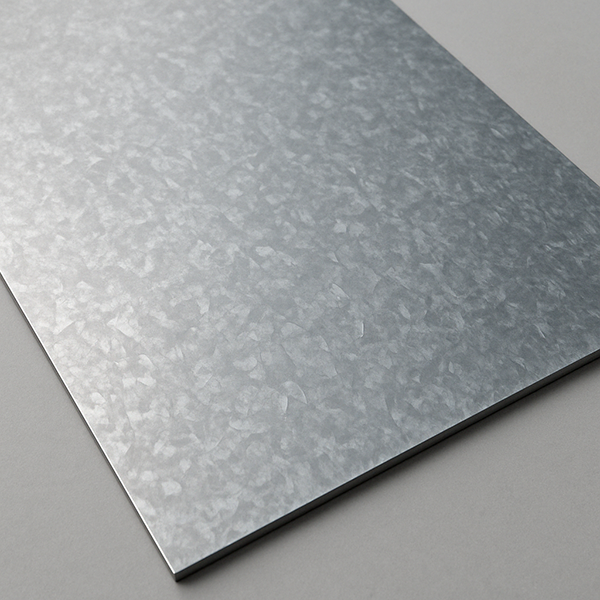
Galvanized sheet metal is produced by coating the steel surface with zinc, providing high resistance to corrosion. However, galvanized sheet metal is not completely rust-proof. More accurately, galvanized sheet metal is significantly more resistant to rust than ordinary steel.
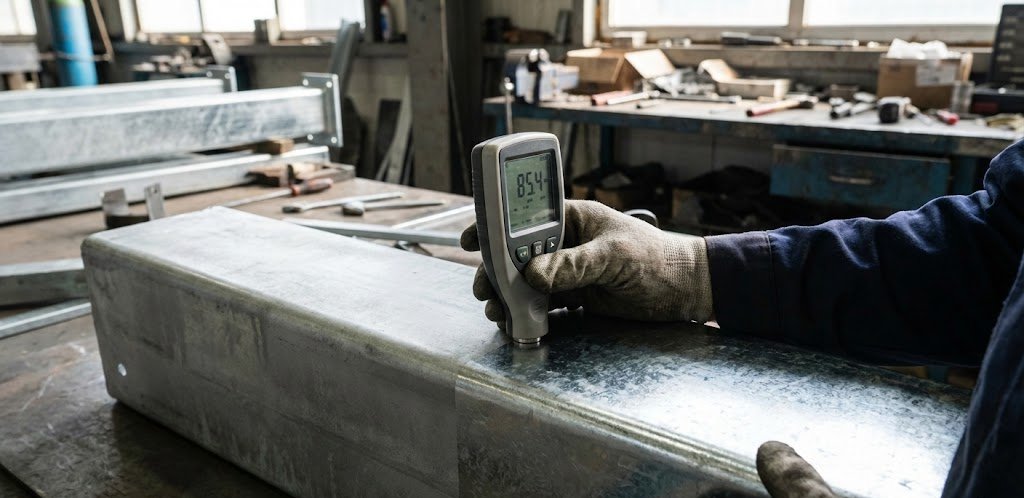
Whether galvanized sheet metal rusts depends on coating thickness, operating environment, humidity, exposure to saltwater or chemicals, surface damage, and maintenance conditions. As long as the zinc coating remains intact, the steel surface does not come into direct contact with air and moisture. This significantly delays the formation of rust.
In short, galvanized sheet metal provides a long service life when used correctly and under suitable conditions. However, rust may occur if the zinc layer wears away, becomes damaged, or is exposed to highly corrosive conditions for extended periods.
What Is Galvanized Sheet Metal?
Galvanized sheet metal is a metal material produced by protecting the surface of steel sheet with a zinc coating. This coating prevents direct contact between the steel and oxygen or moisture, providing protection against rust.
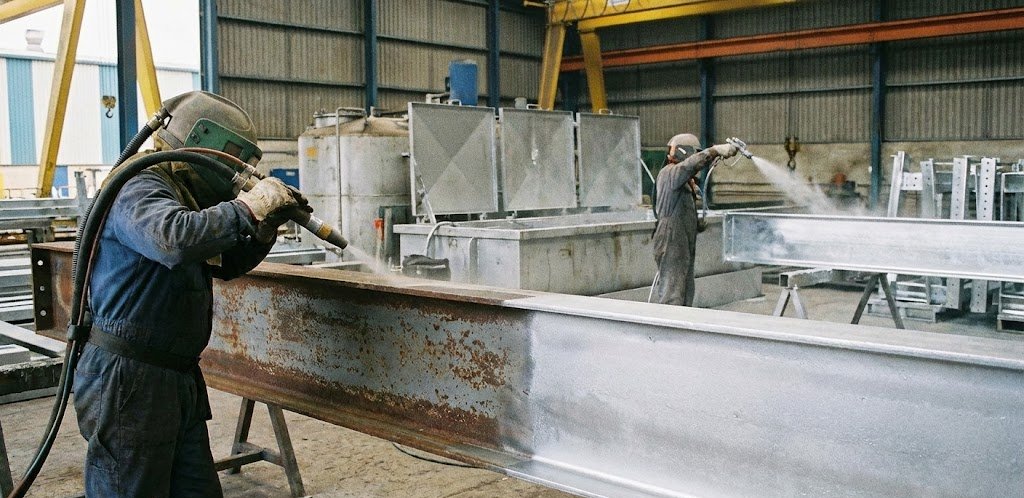
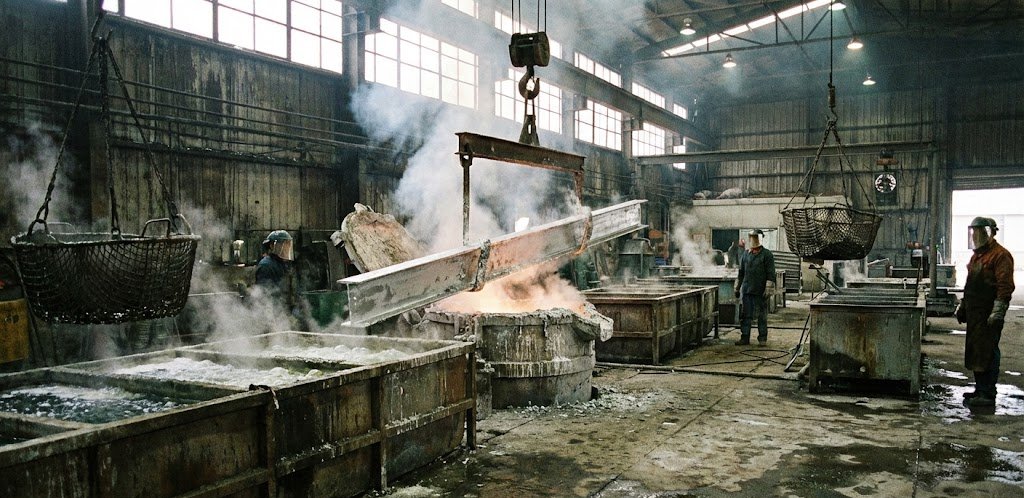
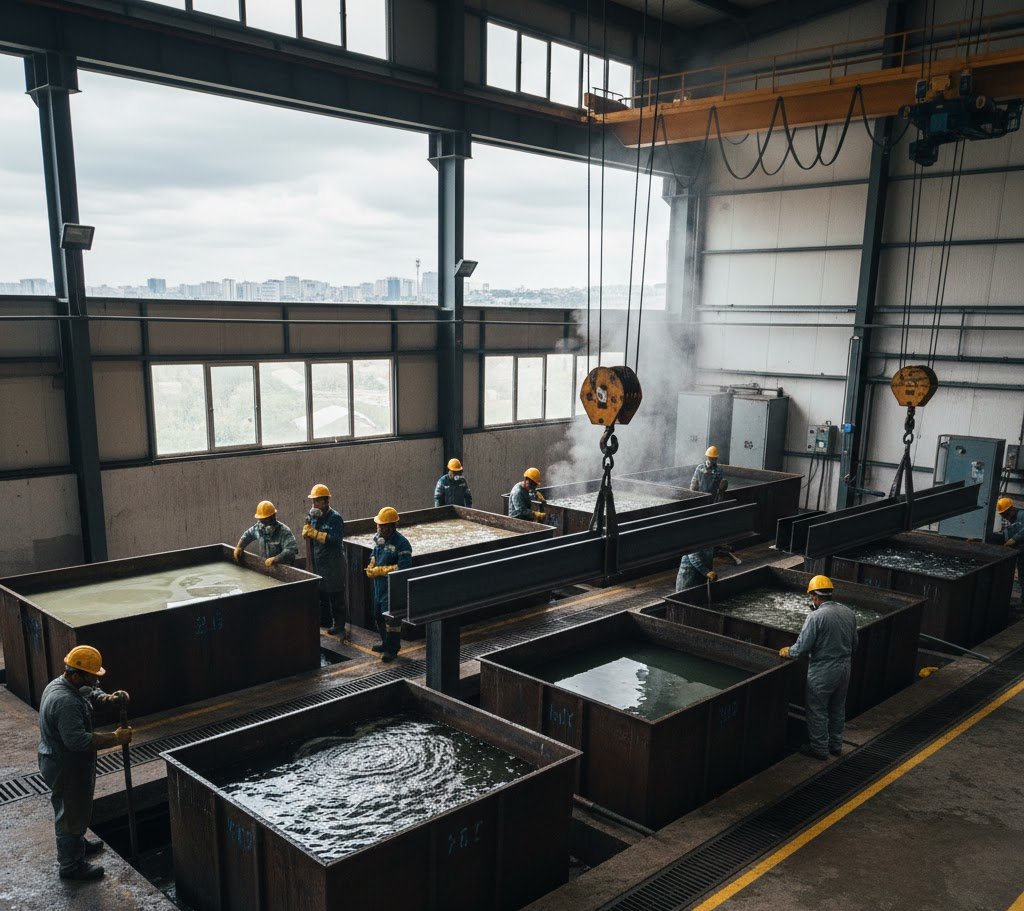
The galvanizing process is generally carried out using the hot-dip method. In this method, steel sheet passes through a bath of molten zinc, creating a protective zinc layer on its surface. Since zinc is more active than steel, it acts as a protective material on the surface.
Galvanized sheet metal is widely used in construction, automotive, home appliances, ventilation, roofing, façade systems, agricultural equipment, electrical panel manufacturing, and industrial applications. The main reason for its widespread use is that it combines the mechanical strength of steel with the corrosion protection provided by zinc.
For this reason, galvanized sheet metal provides both an economical and durable material solution.
Does Galvanized Sheet Metal Really Resist Rust?
Galvanized sheet metal is resistant to rust, but it is not completely rust-proof. The zinc coating protects the steel surface, but this coating may gradually become thinner or damaged due to environmental exposure.
“Galvanized sheet metal is not a rust-proof material; it is zinc-coated steel designed to provide protection against rust.”
This distinction is important because galvanized sheet metal and stainless steel are not the same material. Stainless steel resists corrosion due to the chromium in its composition, while galvanized sheet metal is protected by the zinc coating on its surface.
Galvanized sheet metal may begin to rust under the following conditions:
- When the zinc coating is scratched or cut
- When the sheet is continuously exposed to water or moisture
- When used in salty environments such as coastal areas
- When exposed to acidic or chemical substances
- When the coating thickness is insufficient for the operating environment
- When cleaning and maintenance are neglected
Therefore, the performance of galvanized sheet metal depends not only on the material itself but also on its operating conditions.
Why Is Galvanized Sheet Metal Preferred?
Galvanized sheet metal is preferred across many industries because of its resistance to rust and long service life. Compared with standard steel sheet, it provides greater resistance to outdoor conditions.
The main advantages of galvanized sheet metal include:
- Provides high corrosion resistance.
- Extends the service life of the steel surface.
- Provides an economical protection solution.
- Can be easily formed and processed.
- Can be used with or without additional paint.
- Provides resistance to impacts and external factors.
- Reduces maintenance costs.
- Can be produced in different thicknesses and dimensions.
Particularly for metal products used outdoors, galvanized sheet metal provides an effective balance between cost and durability. For this reason, it has a wide range of applications, from roofing systems and automotive components to ventilation ducts and industrial equipment.
Factors That Cause Galvanized Sheet Metal to Rust
The main factor causing galvanized sheet metal to rust is the gradual deterioration or damage of the zinc coating. As long as the coating remains intact, the steel surface is protected. However, certain environments can cause this protective layer to deteriorate more quickly.
High Humidity and Continuous Water Exposure
The zinc coating becomes more active in humid environments. Water remaining on the surface for extended periods can increase the risk of corrosion. This risk becomes more significant in enclosed and poorly ventilated areas.
Salty Environments
Galvanized sheet metal may deteriorate more quickly in coastal areas, ports, marine structures, and locations close to saltwater. Salt accelerates the deterioration of the zinc layer.
Acidic and Chemical Environments
Galvanized coatings may deteriorate more quickly in industrial facilities, chemical storage areas, and environments containing acidic vapors. Material selection should be evaluated specifically for these conditions.
Physical Damage
Cutting, drilling, scratching, impact, or installation errors may weaken the zinc layer. If the steel surface becomes exposed where the coating is damaged, rust may begin to form.
Incorrect Storage
Storing galvanized sheets while wet, without ventilation, or tightly stacked may cause white rust to develop. This is an important consideration, particularly for newly galvanized surfaces.
What Happens If Galvanized Sheet Metal Rusts?
When galvanized sheet metal begins to rust, discoloration, staining, and signs of corrosion first appear on the surface. At the initial stage, this condition is generally superficial. However, if no action is taken, corrosion may progress to the steel surface.
Progressive corrosion may lead to:
- Deterioration of the surface appearance.
- Reduced protective performance of the coating.
- Gradual reduction in sheet thickness.
- Reduced mechanical strength of the material.
- Safety risks in structural or connection components.
- Increased maintenance and replacement costs.
Particularly in applications such as roofing, façades, structural systems, panels, ventilation ducts, or outdoor equipment, corrosion should be detected at an early stage. If minor damage is repaired promptly, the service life of galvanized sheet metal can be preserved.
How Can Galvanized Sheet Metal Be Protected Against Rust?
To prevent galvanized sheet metal from rusting, proper material selection, installation, regular maintenance, and surface protection should be considered together. Corrosion often begins with minor surface damage or unsuitable operating conditions that have been overlooked.
The following measures can help extend the service life of galvanized sheet metal:
Clean the surface regularly.
Dust, dirt, salt, and chemical residues should be periodically removed from the surface.
Protect cut and drilled areas.
Exposed steel surfaces created during installation should be protected with a suitable zinc-rich repair paint or protective coating.
Prevent continuous water accumulation.
Design or installation problems that allow water to remain on the sheet surface should be corrected.
Apply additional protection in salty and chemical environments.
Paint, additional coatings, or special protective systems may be preferred in coastal areas or locations exposed to chemicals.
Pay attention to storage conditions.
Galvanized sheets should be stored in dry, ventilated areas where water cannot accumulate.
Carry out periodic inspections.
Scratches, impacts, discoloration, and early signs of rust should be checked regularly.
These measures extend the service life of galvanized sheet metal and significantly reduce the risk of corrosion.
Differences Between Galvanized Sheet Metal and Stainless Steel
Galvanized sheet metal and stainless steel are often confused, but they have different structures. Galvanized sheet metal is zinc-coated steel. Stainless steel is a special alloy steel that provides corrosion resistance through the chromium in its composition.
| Feature | Galvanized Sheet Metal | Stainless Steel |
|---|---|---|
| Protection mechanism | Protected by zinc coating | Protected by its alloy composition |
| Corrosion resistance | High | Very high |
| Cost | More economical | More expensive |
| Appearance | Matte gray or metallic surface | Bright, matte, or satin finish |
| Applications | Construction, automotive, industry, roofing, ventilation | Food, medical, chemical, architectural, hygienic applications |
| Maintenance requirements | Vary according to environment | Generally lower |
| Processability | Easily formed | Varies according to alloy |
Galvanized sheet metal is preferred for projects requiring an economical and durable solution. Stainless steel stands out in applications requiring higher corrosion resistance, hygiene, or specific aesthetic characteristics.
What Should Be Considered When Using Galvanized Sheet Metal?
To reduce the risk of corrosion when using galvanized sheet metal, the application area and environmental conditions should be properly analyzed. Not every galvanized sheet provides the same performance in every environment.
The main points to consider include:
- Evaluate humidity, salt, and chemical exposure in the operating environment.
- Select material thickness and coating type according to project requirements.
- Avoid scratching the surface during installation.
- Protect cut edges with suitable protective products.
- Provide proper slope and drainage to prevent water accumulation on the sheet surface.
- Store sheets in dry and well-ventilated areas.
- Address surface stains and damage at an early stage.
For commercial and industrial applications, galvanized sheet metal should not be selected solely based on price. The operating environment, expected service life, maintenance possibilities, and surface protection requirements should be evaluated together.
Applications of Galvanized Sheet Metal
Galvanized sheet metal is used across numerous industries because of its durability and corrosion resistance. It can be preferred for both indoor and outdoor applications.
The main applications include:
- Roofing and façade systems
- Ventilation ducts
- Automotive components
- Home appliance manufacturing
- Electrical panels
- Cable trays
- Agricultural equipment
- Storage racking systems
- Fencing and security systems
- Industrial cabinets and enclosures
- Auxiliary construction components
- Gutters and drainage systems
In these applications, galvanized sheet metal helps maintain the strength of steel while reducing deformation caused by corrosion.
Key Factors Affecting the Durability of Galvanized Sheet Metal
The long-term performance of galvanized sheet metal depends not only on the zinc coating but also on the operating environment, surface integrity, and maintenance conditions. When used under suitable conditions, galvanized sheet metal significantly reduces the risk of rust and helps protect the steel surface for longer periods.
- Coating thickness directly affects the duration of corrosion protection.
- Humid, salty, or chemically aggressive environments may cause the zinc layer to deteriorate more quickly.
- Scratches, cuts, and impacts occurring during installation may initiate corrosion if they are not repaired promptly.
- Proper slope and drainage that prevent water accumulation on the sheet surface help extend coating life.
- Regular cleaning and surface inspection help maintain the protective properties of galvanized sheet metal for longer.
Galvanized sheet metal provides high resistance to rust through its zinc coating and offers long-lasting performance across many industries. When the operating environment, installation quality, and surface maintenance are properly planned, it becomes both an economical and reliable solution. Contact us to receive a customized quotation for galvanized sheet metal selection, sizing, and technical requirements tailored to your project.