Difference Between Electrogalvanizing and Hot-Dip Galvanizing
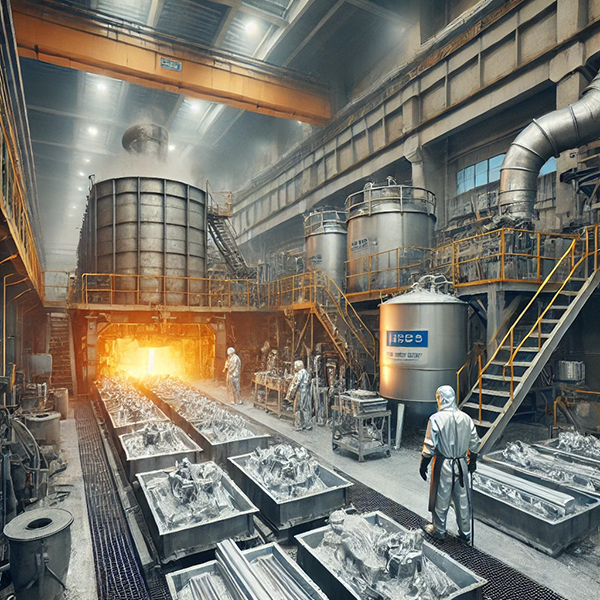
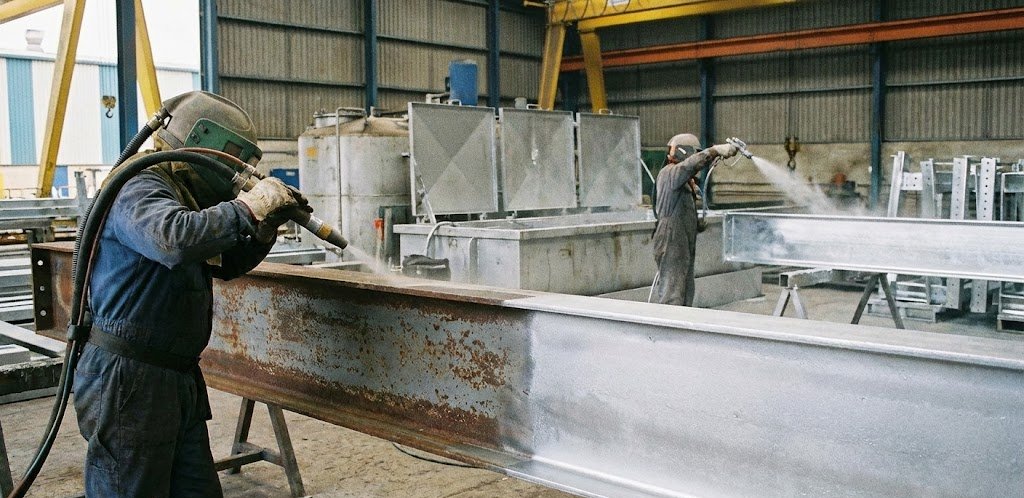
Galvanizing is the process of applying a layer of zinc to the surface of metals such as steel or iron to protect them against corrosion. Zinc reacts with oxygen and moisture to create a barrier that helps prevent the metal from rusting. Today, two of the most widely used galvanizing methods are electrogalvanizing and hot-dip galvanizing.
Both methods are used to protect metal, but they differ in terms of application processes, durability, and areas of use. So, what are the main differences between these two methods? Which method should be preferred in which situation? Here are the details.
What Is Electrogalvanizing?
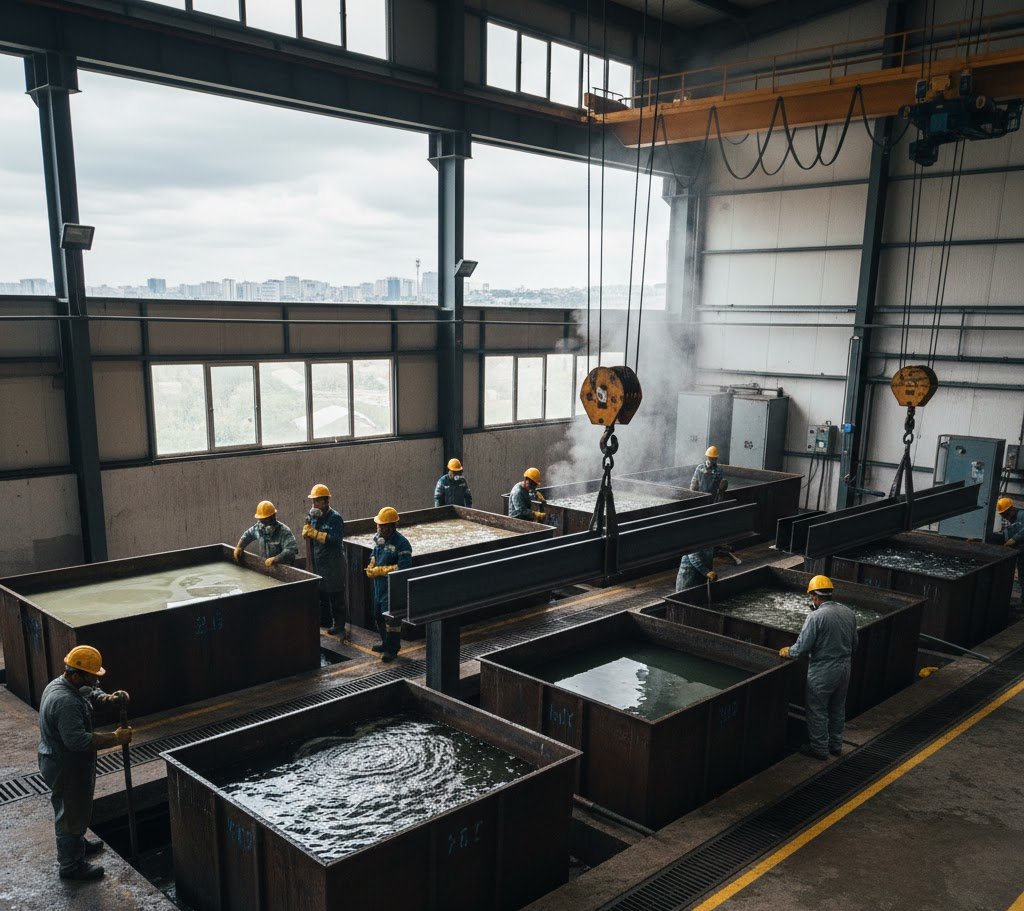
Electrogalvanizing refers to the process of applying a zinc coating to a metal surface through electrolysis. In this method, the metal surface is placed in an electrolyte solution, and an electric current is applied to cause zinc ions to adhere to the metal surface.
Advantages of Electrogalvanizing
Creates a smooth and bright surface: A more uniform and aesthetically appealing coating is achieved.
Provides a thin coating layer: This makes it ideal for precision components.
Applied at lower temperatures: Since it does not require high-temperature processing, it does not alter the mechanical properties of the material.
Creates a paintable surface: Paint or additional coatings can be easily applied over it.
Disadvantages of Electrogalvanizing
Lower corrosion resistance: Because the zinc layer is thinner, it is less resistant to harsh environmental conditions.
The coating may not be uniform: Coating thickness may vary around edges and corners.
Less suitable for outdoor use: It is generally preferred for indoor and light industrial applications.
Applications of Electrogalvanizing
- Automotive industry components such as screws, nuts, and bolts
- Electrical and electronic components
- Light industrial machinery
- Furniture accessories
- Indoor decorative products
What Is Hot-Dip Galvanizing?
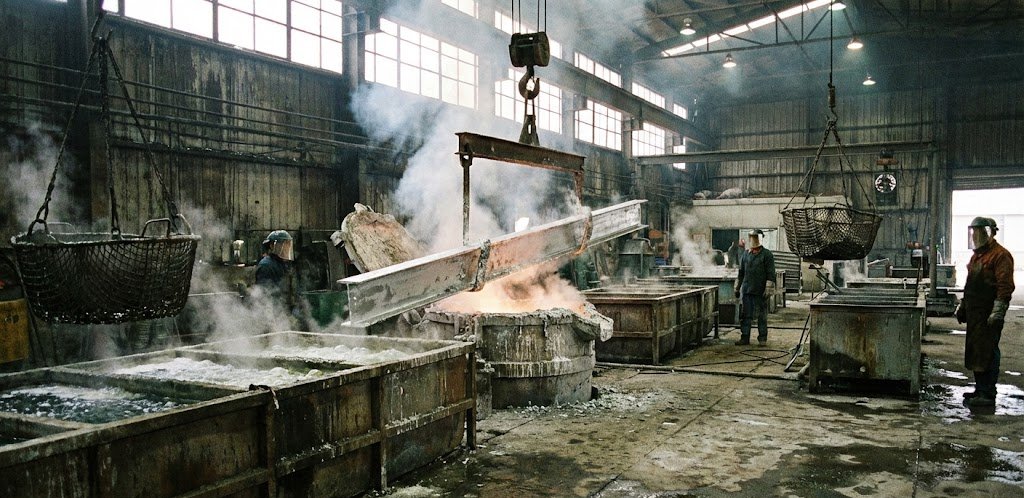
Hot-dip galvanizing is the process of coating steel or iron by immersing it in a bath of molten zinc. During this process, zinc chemically bonds with the metal surface, creating a strong and permanent protective layer.
Advantages of Hot-Dip Galvanizing
Provides high corrosion resistance: Thanks to its thick zinc layer, it offers long-lasting protection against outdoor conditions.
Provides complete coverage: The process ensures that the entire surface is coated.
Requires little maintenance: It can be used for many years without frequent maintenance.
Provides high mechanical durability: The strong bond formed between zinc and the metal provides resistance to wear.
Disadvantages of Hot-Dip Galvanizing
The surface may be rough: Zinc layers formed during the coating process may create a rougher appearance.
May not be suitable for thin and precision components: The thicker coating may not be appropriate for small and sensitive parts.
Requires high-temperature processing: Since it is applied at high temperatures, it may affect the material under certain conditions.
Applications of Hot-Dip Galvanizing
- Outdoor structural components such as bridges, poles, and fences
- Agricultural machinery and equipment
- Power transmission lines and poles
- Marine and port equipment
- Industrial steel structures
Main Differences Between Electrogalvanizing and Hot-Dip Galvanizing
| Feature | Electrogalvanizing | Hot-Dip Galvanizing |
|---|---|---|
| Coating Method | Electrolytic coating process | Immersion in molten zinc |
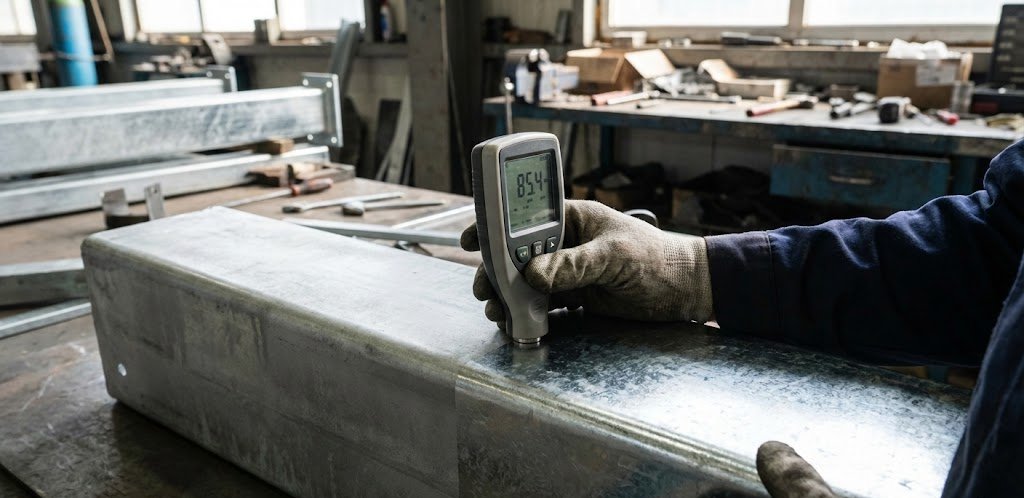
| Coating Thickness | 5–30 microns | 50–150 microns |
| Corrosion Resistance | Lower | Higher |
| Surface Smoothness | Smoother and brighter | Rougher |
| Application Area | Indoor, light industry | Outdoor, heavy industry |
| Cost | Lower | Higher |
| Durability | Moderate | Long-lasting |
Which Method Should Be Selected?
If aesthetics are important and the product will be used indoors, electrogalvanizing may be preferred.
If the product will be exposed to harsh outdoor conditions, hot-dip galvanizing is generally the more suitable option.
Electrogalvanizing is suitable for small components, while hot-dip galvanizing is commonly preferred for large structural elements.
Although both methods are effective for protecting steel and iron materials, selecting the appropriate method according to the intended application is highly important.
Electrogalvanizing and hot-dip galvanizing are two different coating methods that extend the service life of metal. Electrogalvanizing provides a thinner and more aesthetically uniform coating, while hot-dip galvanizing provides a thicker and more durable protective layer. Selecting the most appropriate method according to the intended use, environmental conditions, and cost considerations can improve long-term efficiency.