At What Temperature Is Hot-Dip Galvanizing Performed?
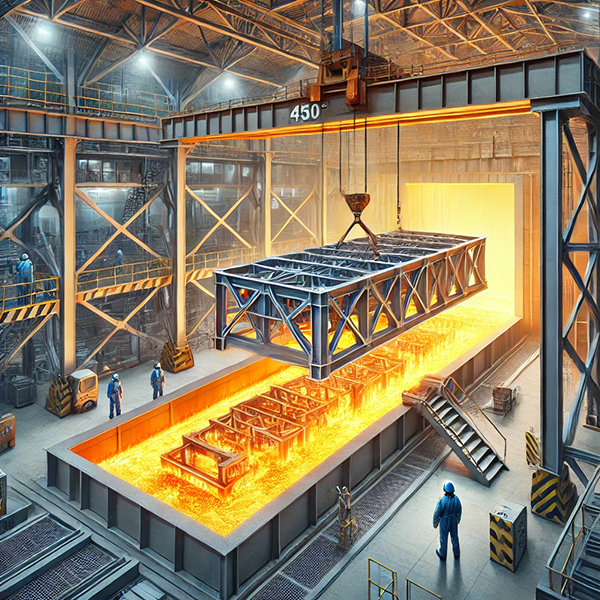
Hot-dip galvanizing is one of the most effective coating methods used to protect metal surfaces against corrosion. In this process, metals such as steel or iron are immersed in a bath of molten zinc, allowing the entire surface to be coated. Zinc creates a protective barrier on the metal surface and helps prevent rust.
This method is widely preferred because it provides long-lasting protection and is cost-effective. However, for the hot-dip galvanizing process to be efficient and durable, it must be carried out within specific temperature ranges.
At What Temperature Is Hot-Dip Galvanizing Performed?
The galvanizing process should be carried out within specific temperature ranges. In general, the temperature of the molten zinc bath is maintained between 430°C and 460°C. However, temperature variations may occur during the process:
- Minimum temperature: 420°C
- Optimum temperature: 450°C
- Maximum temperature: 470°C
These temperature ranges allow the steel to react effectively with the zinc and help create a uniform coating. If the temperature is too low, the coating may not form properly; if it is too high, the coating may become brittle.
Hot-Dip Galvanizing Process
The galvanizing process consists of several basic stages. If these stages are not carried out correctly, defects may occur in the coating. The steps of the hot-dip galvanizing process are as follows:
1. Surface Preparation
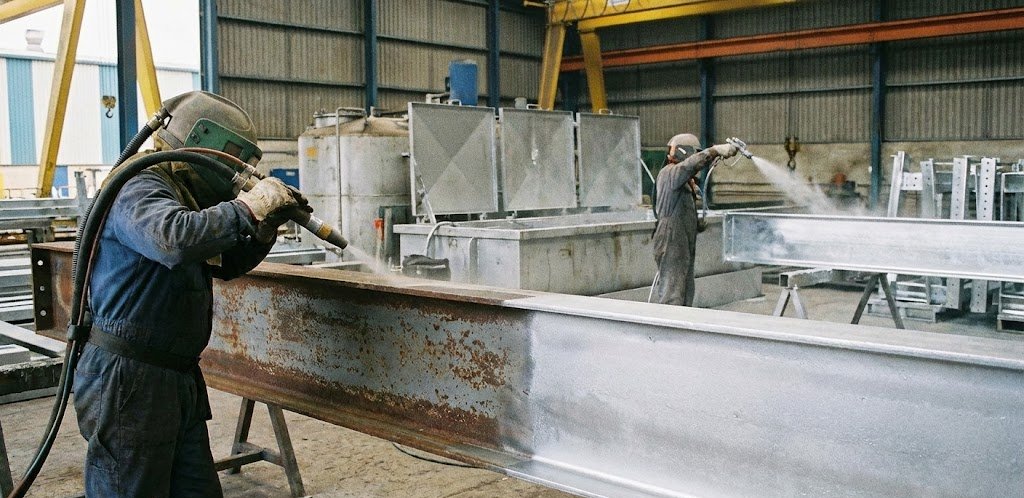
Before hot-dip galvanizing, the metal surface must be clean and smooth. Therefore, the following processes are applied:
Oil and Dirt Removal: Oil and dirt on the metal surface are removed using alkaline cleaners or acid solutions.
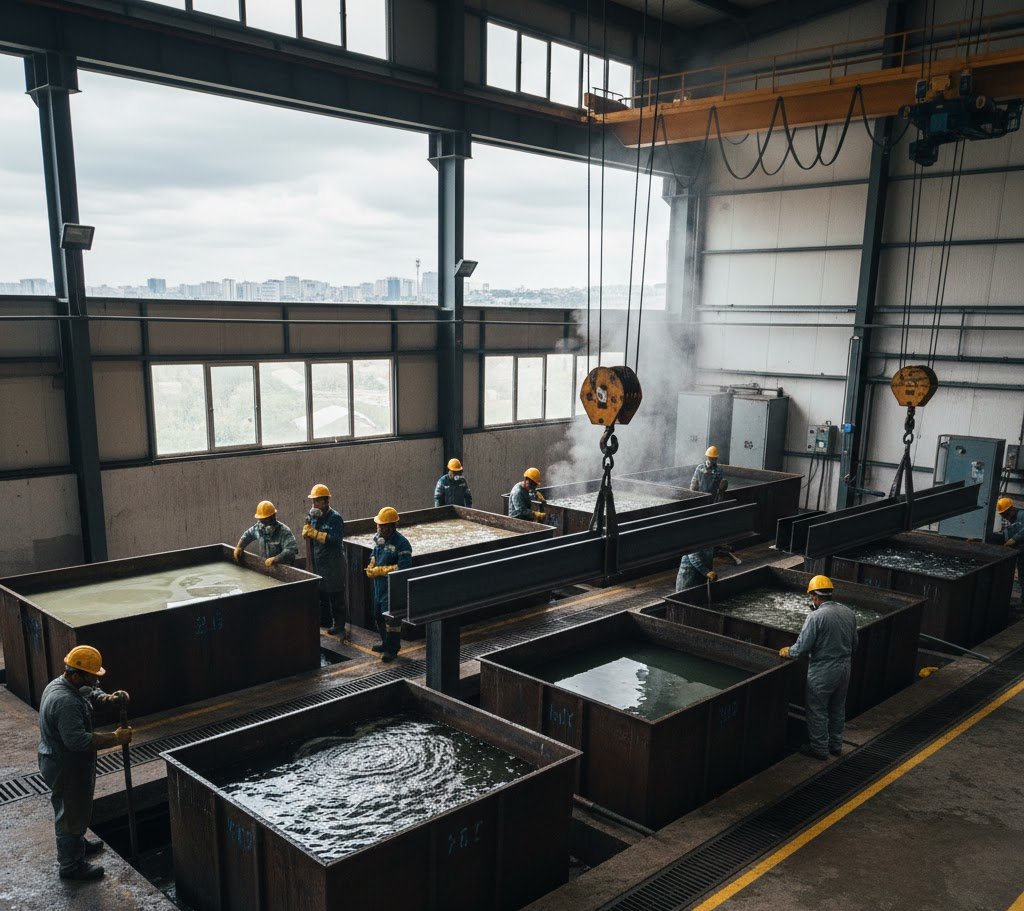
Pickling: Rust and oxide layers on the metal are removed using hydrochloric acid or sulfuric acid.
Flux Coating: The metal is immersed in a special chemical solution to improve its reaction with zinc.
2. Molten Zinc Bath
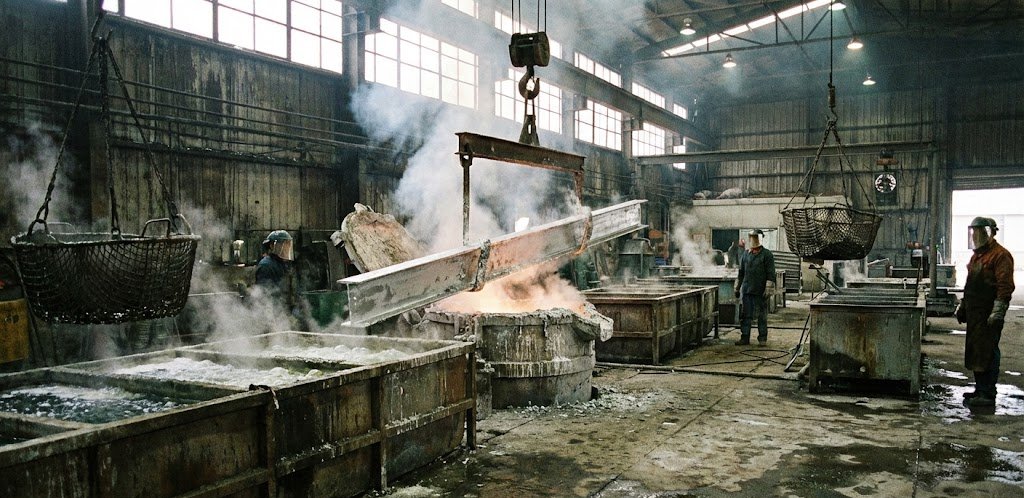
After the preparation stages, the metal is immersed in a bath of molten zinc at a temperature of 450°C. At this stage, the zinc reacts with the metal surface to form a strong alloy layer.
3. Cooling and Final Processing
Once the coating process is completed, the metal is slowly removed from the zinc bath and allowed to cool. Cooling is carried out under controlled conditions to prevent the coating from cracking. If necessary, excess zinc is removed or smoothed.
Importance of Galvanizing Temperature
The temperature of the hot-dip galvanizing process directly affects coating quality. The effects of different temperature levels on the coating are shown below:
| Temperature (°C) | Effect |
|---|---|
| 420°C–430°C | Coating formation may be slow and uneven |
| 440°C–450°C | Optimum zinc-steel reaction occurs |
| 460°C–470°C | A thicker coating may form, but brittleness may increase |
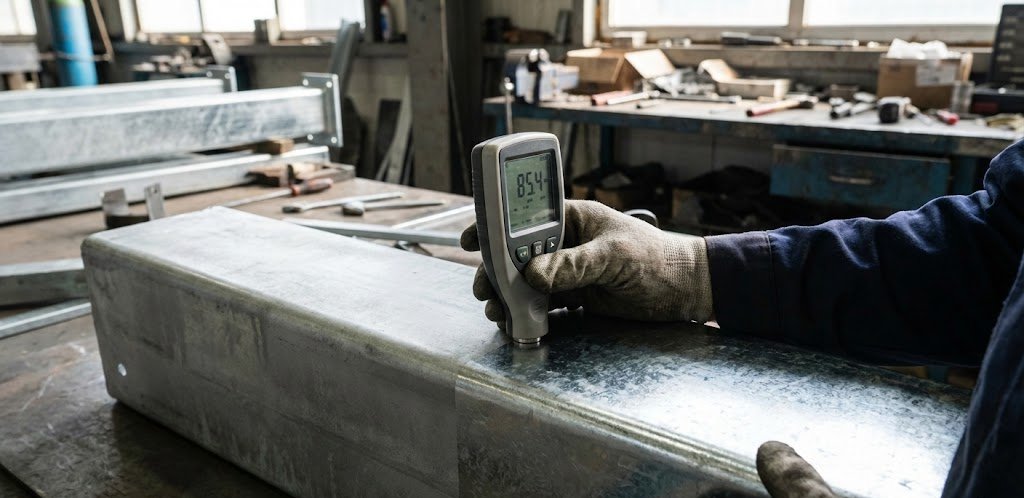
If the zinc bath temperature is not properly controlled, roughness, bubbles, and cracks may occur on the coating surface. For this reason, temperature control is one of the most critical aspects of the galvanizing process.
Advantages of Galvanized Coating
Hot-dip galvanizing is one of the most effective ways to protect steel and iron against corrosion. The main advantages of this method include:
Long-Lasting Protection: Galvanized coating can last up to 50 years, even under outdoor conditions.
High Durability: Provides strong protection against mechanical wear and chemical exposure.
Cost-Effective Solution: Offers lower costs compared with alternative coating methods.
Environmentally Friendly: Zinc is a naturally occurring element and does not harm the environment.
Where Is Hot-Dip Galvanizing Used?
Hot-dip galvanizing is used across many industries. The main application areas include:
Construction Industry: Steel structures, bridges, and roofing systems
Automotive Industry: Vehicle chassis and exhaust systems
Energy Sector: Utility poles and solar panel support structures
Agriculture and Livestock: Greenhouses, animal shelters, and fencing systems
The reason for its wide range of applications is the ability of galvanized coating to protect metal for many years.
Hot-dip galvanizing is a coating method that prevents metals from rusting and provides long-term protection. The process is generally carried out at a temperature of 450°C, enabling a strong bond to form between steel and zinc. Proper temperature control during galvanizing is one of the most important factors determining coating quality.
As a durable, economical, and environmentally friendly coating method, hot-dip galvanizing is widely preferred across many industries. When applied at the correct temperature, it provides long-lasting protection and extends the service life of metal.