Advantages of Hot-Dip Galvanizing Against Rust

Iron and steel materials are naturally susceptible to rust. When exposed to moisture, oxygen, and various chemicals over time, they can corrode and become weaker both aesthetically and structurally. Hot-dip galvanizing provides an effective solution to this problem by offering long-lasting corrosion protection for steel and iron products.
What Is Hot-Dip Galvanizing?
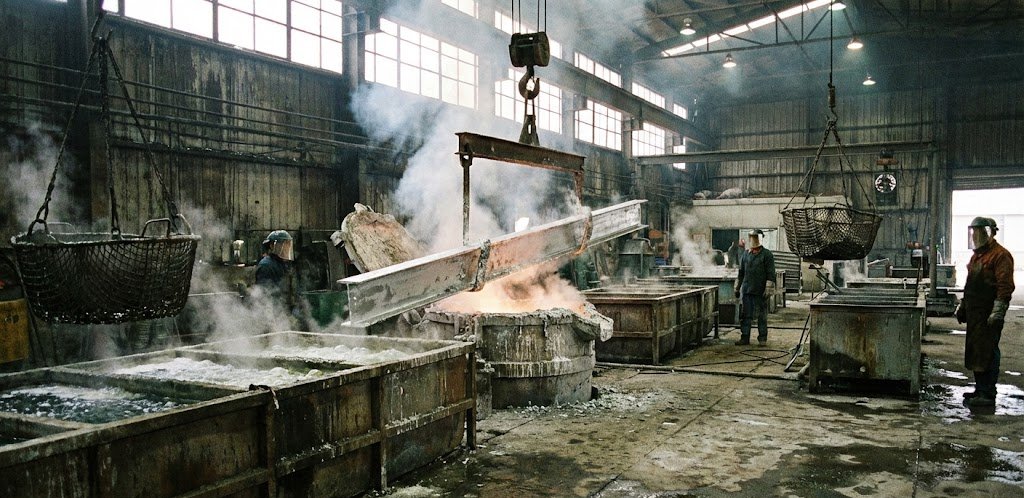
Hot-dip galvanizing is a coating process in which steel or iron components are immersed in a bath of molten zinc. During this process, zinc reacts metallurgically with the steel surface and forms zinc-iron alloy layers with an outer zinc layer. This coating acts as a strong barrier against environmental exposure and helps protect the underlying material against corrosion.
Unlike coatings that rely only on surface adhesion, hot-dip galvanizing creates metallurgically bonded layers between the zinc and steel. This characteristic makes it a widely used method for long-term corrosion protection.
Main Advantages of Hot-Dip Galvanizing Against Rust
Provides Long-Lasting Protection
Hot-dip galvanizing can protect steel for decades, depending on coating thickness, environmental corrosivity, product design, and exposure conditions. It is particularly effective for outdoor steel structures exposed to rain, snow, humidity, and changing weather conditions.
The service life should therefore be evaluated according to the specific environment rather than assumed to be a fixed number of years for every application.
Resistant to Mechanical Damage
Hot-dip galvanized coatings provide good resistance to handling and mechanical wear. The zinc-iron alloy layers formed during galvanizing are metallurgically bonded to the steel and can withstand many of the impacts associated with transportation, handling, and installation.
However, severe impacts, cutting, welding, or abrasion can still damage the coating and may require repair.
Provides Sacrificial Protection
Zinc is more electrochemically active than steel. As a result, if a small area of the steel becomes exposed through a scratch or minor coating damage, the surrounding zinc can corrode preferentially and help protect the steel.
This sacrificial protection is one of the key differences between zinc coatings and barrier-only coating systems.
Reduces Maintenance Requirements
Hot-dip galvanized coatings generally require relatively little routine maintenance during their service life. This can provide significant economic benefits, particularly for structures located in areas where inspection, repainting, or repair would be difficult or expensive.
Lower maintenance requirements can also reduce downtime and lifecycle costs.
Supports Long-Term Resource Efficiency
The long service life of galvanized steel can reduce the frequency of replacement, repair, and recoating. Both steel and zinc can also be recovered through established recycling processes.
The overall environmental performance of a galvanized product depends on its complete lifecycle, including production, transportation, service life, maintenance, and recycling.
Where Is Hot-Dip Galvanizing Used?
Hot-dip galvanizing has a wide range of applications, including:
Construction: Steel structures, columns, beams, platforms, and railings
Energy: Utility poles, transmission structures, substations, and solar support systems
Agriculture: Greenhouses, fencing systems, agricultural structures, and irrigation equipment
Transportation Infrastructure: Bridges, highway guardrails, and road infrastructure components
Marine and Coastal Applications: Selected steel structures, piers, and port-related components where the coating system is suitable for the exposure conditions
Hot-dip galvanizing is particularly useful for fabricated steel components exposed to outdoor environments and where long-term corrosion protection is required.
Why Choose Hot-Dip Galvanizing?
Hot-dip galvanizing combines corrosion resistance, long service life, relatively low maintenance requirements, and robust coating characteristics. It is therefore widely used for structural steel and industrial components that need to remain protected under outdoor conditions.
The suitability of hot-dip galvanizing should be evaluated according to:
- Steel composition
- Component geometry
- Operating environment
- Required service life
- Applicable technical standard
- Venting and drainage design
- Installation and maintenance conditions
Selecting the correct protection system according to these factors helps achieve reliable long-term performance.
Comparison with Other Coating Methods
| Feature | Hot-Dip Galvanizing | Paint System | Electrogalvanizing |
|---|---|---|---|
| Coating Type | Metallurgically bonded zinc coating | Organic barrier coating | Electrochemically deposited zinc |
| Corrosion Protection | High for suitable outdoor applications | Depends on paint system and maintenance | Suitable for specified applications |
| Sacrificial Protection | Yes | No | Yes, depending on zinc coating and exposure |
| Typical Coating Thickness | Relatively thick | Depends on coating specification | Generally thinner |
| Surface Appearance | Metallic, may vary from bright to matte | Wide range of colors and finishes | Generally smooth and uniform |
| Maintenance | Usually low | Periodic maintenance may be required | Depends on environment and coating specification |
| Typical Applications | Structural steel, infrastructure, outdoor components | Architectural, industrial, and decorative applications | Automotive, fasteners, sheet products, precision components |
The appropriate coating system depends on the operating environment, component design, service-life target, maintenance strategy, and project specification. No single coating method is the best solution for every application.
Choose Avrasya Galvaniz for Professional Hot-Dip Galvanizing
Quality workmanship, suitable production infrastructure, controlled processing, and technical experience are important when selecting a hot-dip galvanizing provider.
Avrasya Galvaniz provides project-specific hot-dip galvanizing solutions for fabricated steel products. The galvanizing process can be planned according to component dimensions, geometry, steel characteristics, coating requirements, and delivery schedule.
Key considerations include:
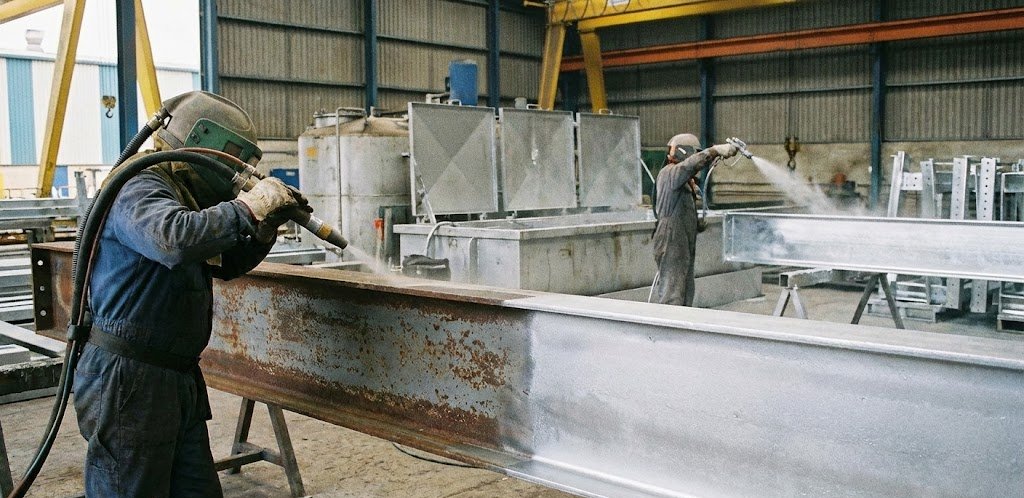
- Proper surface preparation
- Suitable venting and drainage
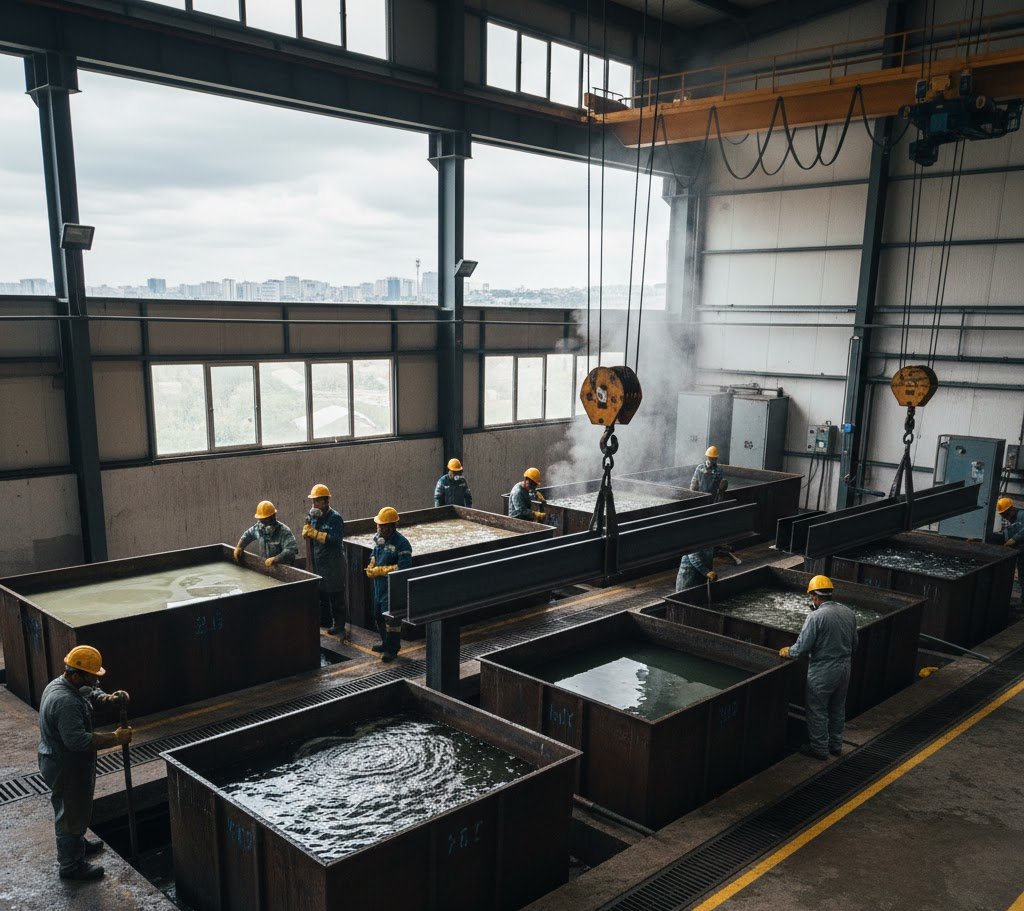
- Controlled galvanizing process
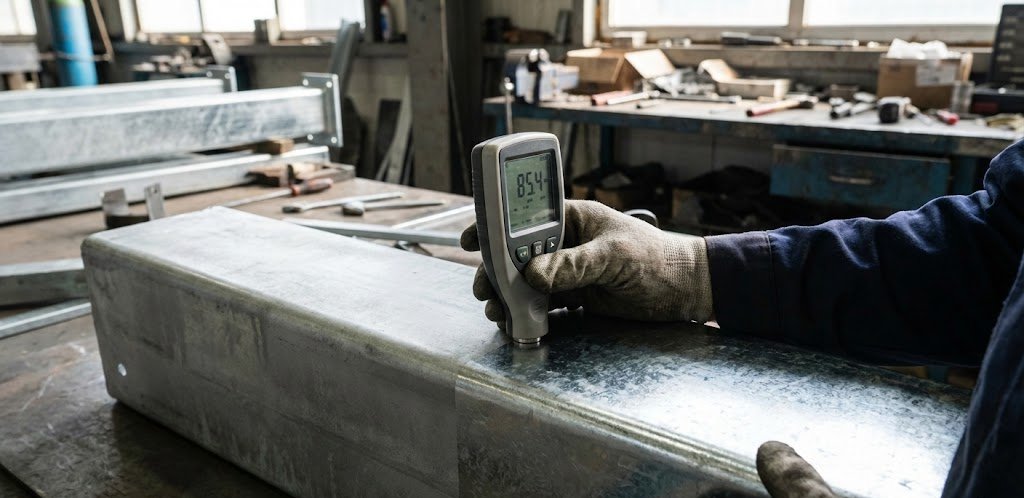
- Coating inspection
- Project-specific production planning
- Delivery and logistics coordination
You can share your technical drawings, dimensions, quantities, and project requirements with Avrasya Galvaniz to request an evaluation and quotation.
Long-Term Protection for Steel
Hot-dip galvanizing is an effective and established method for protecting steel and iron products against rust and corrosion. Its metallurgically bonded coating, sacrificial protection mechanism, durability, and relatively low maintenance requirements make it particularly suitable for many outdoor and industrial applications.
For projects requiring long-term corrosion protection, selecting the correct coating specification and working with an experienced galvanizing provider are essential. Avrasya Galvaniz can provide technical evaluation and hot-dip galvanizing solutions according to the requirements of your project.