Advantages of Hot-Dip Galvanizing

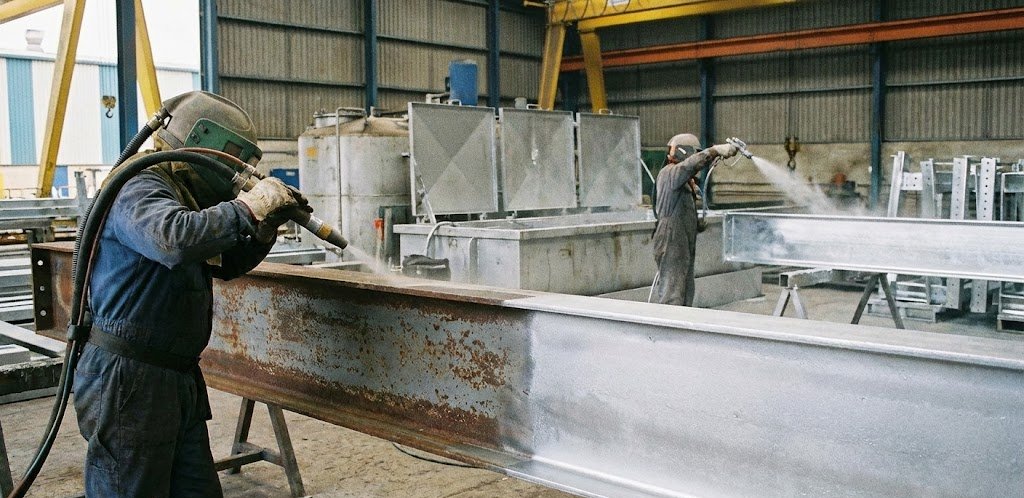
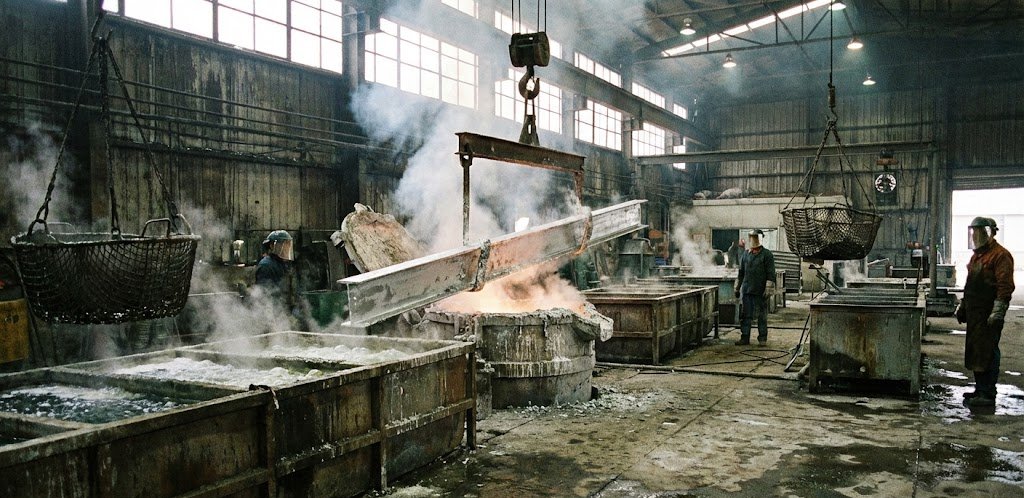
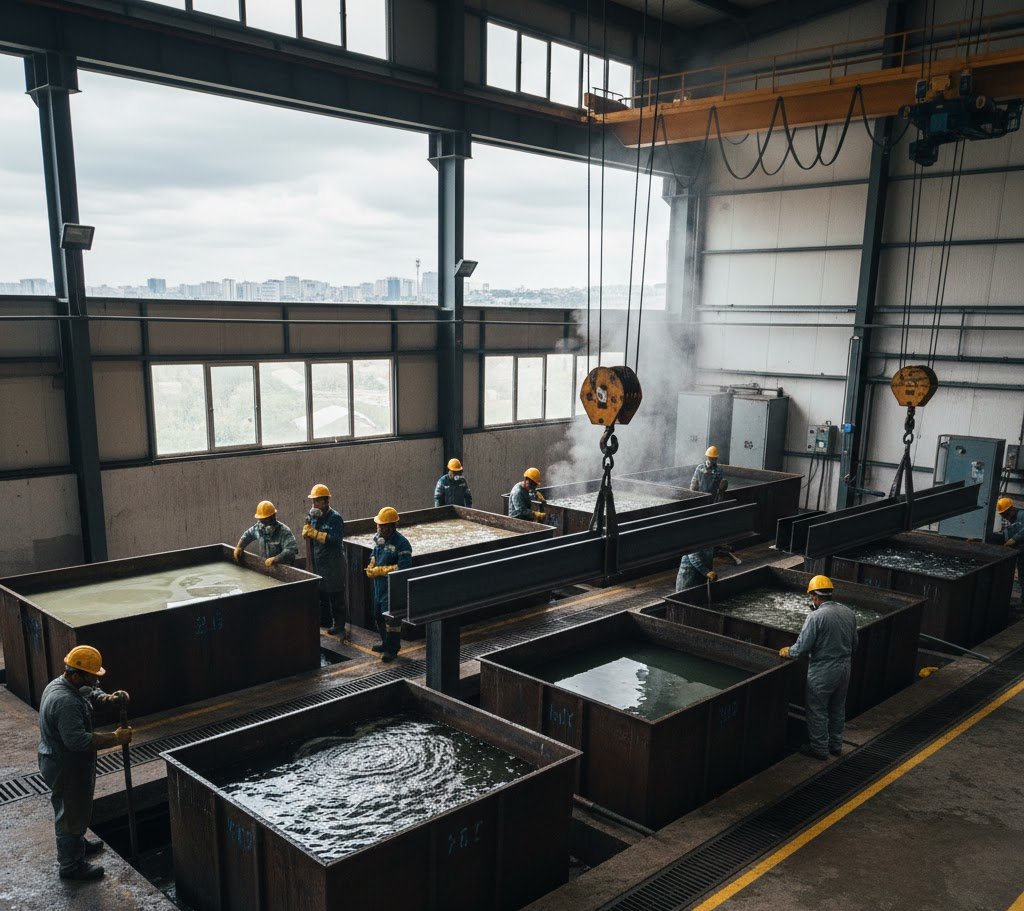
Hot-dip galvanizing is an effective surface coating method that extends the service life of metals and protects them against environmental factors. This process provides protection by immersing steel and iron materials in a bath of molten zinc. Today, it is widely used in many industries, including construction, automotive, energy, and infrastructure. So, what are the advantages of hot-dip galvanizing? Here is a detailed guide.
What Is Hot-Dip Galvanizing?
Hot-dip galvanizing is a coating method used to protect the surfaces of metals such as steel and iron. This method creates corrosion resistance by applying a zinc coating to the metal surface. The zinc coating protects the metal against oxidation and rust, making it more durable.
Advantages of Hot-Dip Galvanizing
1. Superior Protection Against Corrosion
Hot-dip galvanizing protects metal against corrosion caused by environmental factors. The zinc coating prevents direct contact between the metal and air, water, and moisture, helping prevent rust. This extends the service life of structures, particularly those used outdoors.
2. Long-Lasting Durability
Thanks to the galvanizing process, metals can provide durability for up to 50 years. Combined with low maintenance costs, this makes hot-dip galvanizing a long-term investment.
3. Economical and Environmentally Friendly
Hot-dip galvanizing provides low maintenance and repair costs over the long term. In addition, zinc is a recyclable material, making the process environmentally friendly. This provides an important advantage in terms of sustainability.
4. Effective and Fast Application
The hot-dip galvanizing process can be applied quickly. Galvanizing steel or iron structures can be completed in a short period, helping accelerate project schedules.
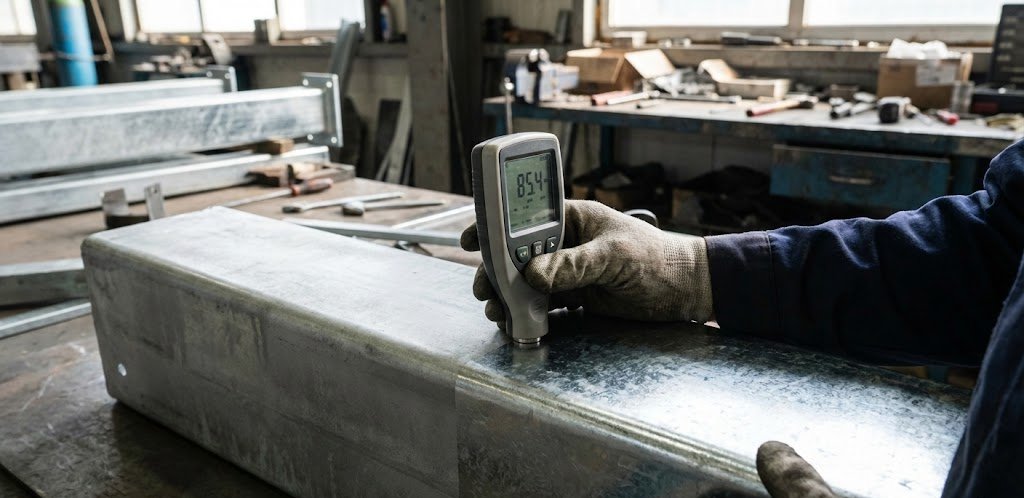
5. Complete Coverage and High Quality
Hot-dip galvanizing provides uniform and complete coverage across the entire metal surface. This makes it possible to effectively protect even structures with complex shapes.
Applications of Hot-Dip Galvanizing
Construction Industry: Bridges, building frames, railings, and roofing.
Energy and Infrastructure: Utility poles and solar panel support structures.
Automotive: Chassis, vehicle bodies, and spare parts manufacturing.
Agriculture: Storage tanks and irrigation equipment.
Hot-dip galvanizing is an essential method for protecting metal structures due to its durability and economic advantages. Particularly for long-term projects, this process provides significant benefits in terms of both cost savings and sustainability.